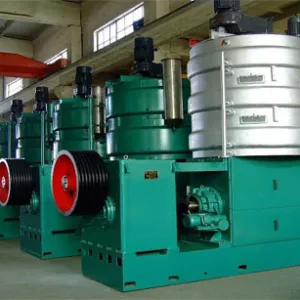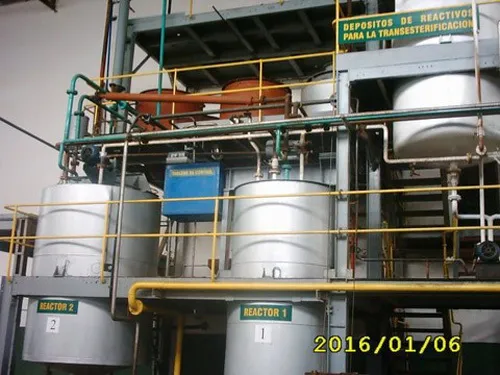
In the ever - evolving landscape of the sesame oil industry, the leaching and refining processes have emerged as the linchpin for high - end sesame oil production. These processes not only ensure the production of high - purity and high - quality refined sesame oil but also play a crucial role in balancing economic efficiency and sustainable development.
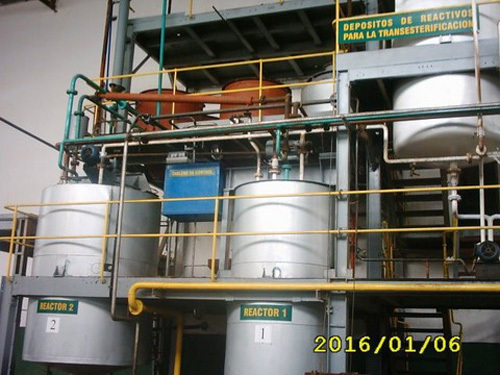
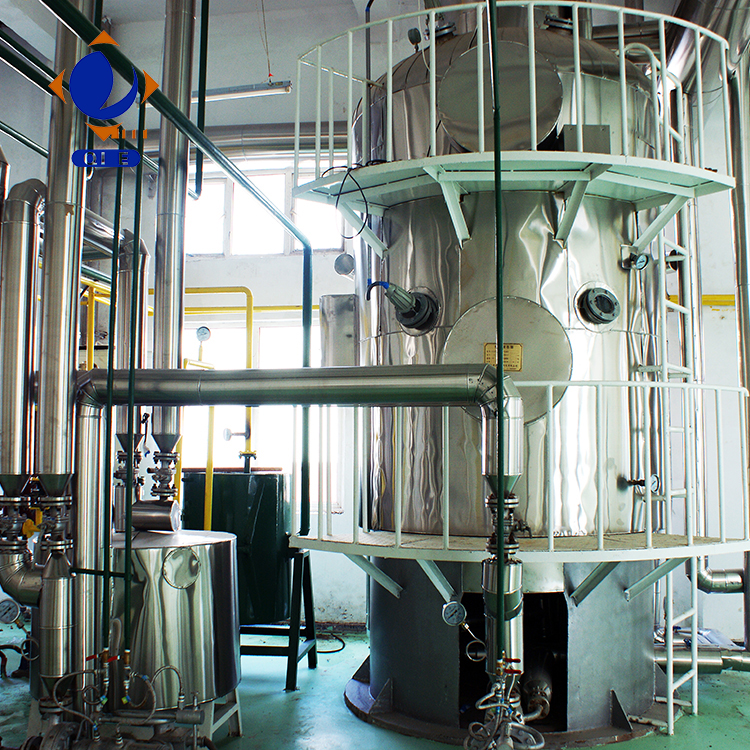
The leaching equipment, including leachers, evaporators, and desolvation towers, forms the backbone of the sesame oil leaching process. The leacher is responsible for extracting oil from sesame seeds using a suitable solvent. By carefully controlling the temperature and time, it can achieve a high extraction rate. For example, modern leachers can achieve an extraction rate of up to 95%, significantly higher than traditional methods.
The evaporator then separates the solvent from the oil - solvent mixture. It operates under specific pressure and temperature conditions to ensure efficient solvent evaporation. The desolvation tower further removes any remaining solvent from the oil, guaranteeing the safety and quality of the final product. According to industry standards, the solvent residue in refined sesame oil should be less than 50 ppm.
The 'Six - Degreasing' process is a key part of sesame oil refining. Each step has a critical impact on the quality of the oil. The first step, degumming, removes phospholipids and other impurities from the crude oil. This can improve the clarity and stability of the oil. The second step, neutralization, adjusts the acidity of the oil, which is essential for its shelf - life. The subsequent steps of bleaching, deodorization, dewaxing, and winterization further refine the oil, enhancing its flavor, color, and nutritional value.
For instance, after the bleaching step, the color of the oil can be significantly improved, and the peroxide value can be reduced by up to 30%. The deodorization step can effectively remove unpleasant odors, making the oil more palatable.
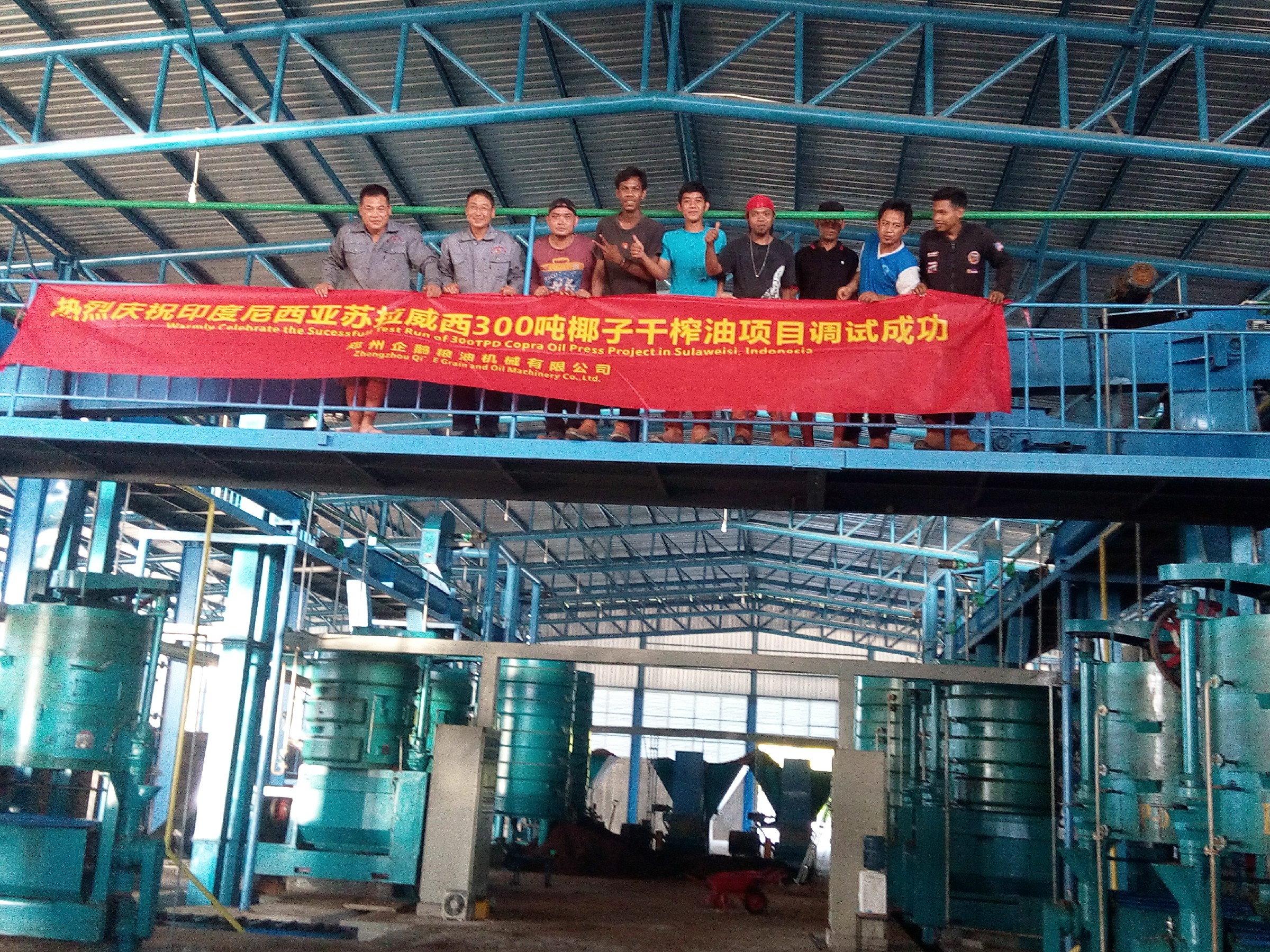
In today's environmentally conscious era, the sesame oil industry is also focusing on reducing its environmental impact. The solvent recovery mechanism is a key aspect of this effort. By using advanced technologies, the solvent recovery rate can reach up to 98%, reducing waste and environmental pollution. At the same time, energy - consumption optimization strategies are being implemented to reduce the overall energy consumption of the production process. For example, some modern plants have reduced their energy consumption by 20% through the use of energy - efficient equipment and optimized process control.
Let's take a look at a typical sesame oil factory. Before the process improvement, the factory had an average oil yield of 85% and a relatively high solvent residue. After implementing a new leaching and refining process, the oil yield increased to 92%, and the solvent residue was reduced to within the standard range. The quality of the refined sesame oil also improved significantly, leading to an increase in market competitiveness and sales.
| Indicator | Before Improvement | After Improvement |
|---|---|---|
| Oil Yield | 85% | 92% |
| Solvent Residue | Above Standard | Within Standard |
One of the common problems in the sesame oil production process is low oil yield. This can be caused by factors such as improper leaching conditions or low - quality raw materials. By optimizing the leaching temperature, time, and solvent ratio, the oil yield can be effectively improved. Another common issue is excessive solvent residue. This can be addressed by improving the solvent recovery and desolvation processes.
Industry experts believe that continuous innovation and improvement in the leaching and refining processes are essential for the long - term development of the sesame oil industry. By adopting advanced technologies and adhering to strict quality control standards, manufacturers can produce high - quality refined sesame oil that meets the growing market demand.
Are you looking to upgrade your sesame oil production process? Click here to learn about our integrated leaching and refining solutions.