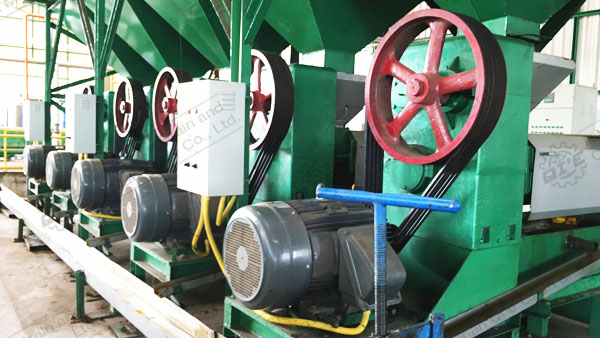
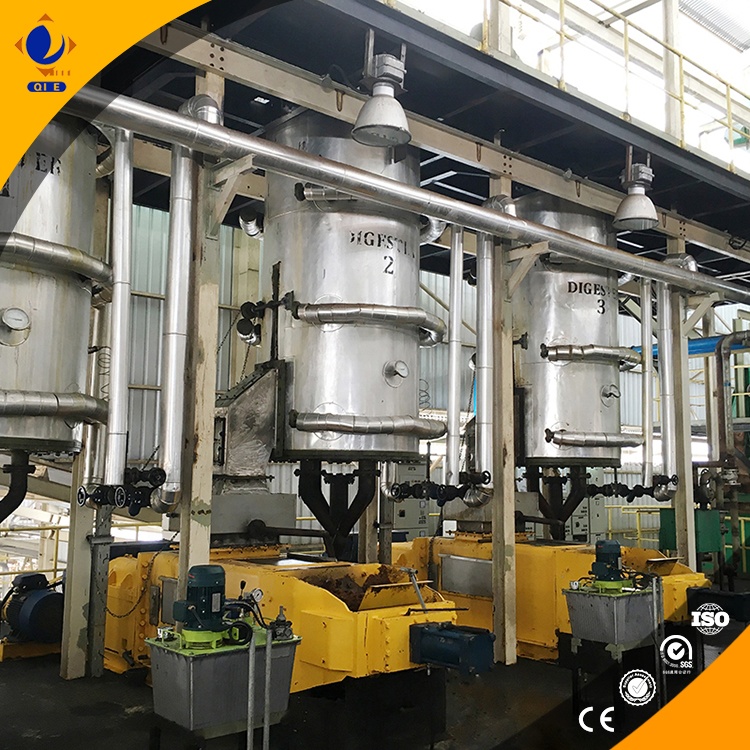
In the process of palm kernel oil extraction, centrifugal separation is a cornerstone technology. The fundamental principle revolves around the density differences among oil, water, and solid particles. When a mixture of palm kernel oil, water, and solids is subjected to centrifugal force, substances with higher density are pushed to the outer edge, while those with lower density accumulate towards the center. For example, oil, which has a lower density compared to water and solids, can be effectively separated through this process. This efficient separation is crucial for reducing the oil content in the residue, which can directly affect your production efficiency and product quality. Studies have shown that with proper centrifugal separation, the oil content in the residue can be reduced by up to 40%, significantly improving the overall yield of palm kernel oil.
Decanter centrifuges are known for their robustness and suitability for high - throughput applications. They have a horizontally arranged cylindrical bowl with a screw conveyor inside. Decanter centrifuges are excellent at handling large volumes of feedstock with high solid content. They can effectively separate the solid phase from the liquid phase and are often used in the initial stages of palm kernel oil processing to remove large - sized solid particles. This helps to prevent the clogging of subsequent processing equipment and improves the overall efficiency of the extraction process.
Disc - stack centrifuges, on the other hand, are designed for more precise separation. They consist of a stack of conical discs that provide a large surface area for separation. These centrifuges are particularly effective in separating fine solids and achieving a high degree of oil purity. They can be used in the later stages of palm kernel oil processing to further clarify the oil and reduce the water and solid content. In some cases, disc - stack centrifuges can reduce the oil moisture content to less than 0.1%, which is essential for producing high - quality palm kernel oil.
Three main parameters – rotation speed, feed rate, and temperature – have a significant impact on oil purity and residue oil content. Increasing the rotation speed enhances centrifugal force, promoting more thorough separation. However, an overly high rotation speed may cause mechanical wear and energy waste. Typically, adjusting the rotation speed to an appropriate level can improve oil purity by about 20 - 30%. The feed rate should be balanced to ensure that the centrifuge has enough time to separate each component properly. A high feed rate may lead to incomplete separation, while a low feed rate can reduce production efficiency. As for temperature, pre - heating the feedstock to an optimal temperature can lower the viscosity of the oil, facilitating separation. For instance, maintaining the feedstock at a temperature of around 50 - 60°C can reduce the residue oil content by approximately 15 - 25%.
Oil - water emulsification is a common headache in the palm kernel oil extraction process. One major cause is the presence of emulsifying agents in the feedstock. To tackle this issue, here are five actionable techniques:
The palm kernel oil extraction industry is witnessing a trend towards more intelligent and efficient centrifugal equipment. Advanced automation technologies are being integrated into centrifuges to enhance process control and reduce human error. These intelligent centrifuges can adjust parameters in real - time based on the characteristics of the feedstock, ensuring consistent product quality. Don't miss out on this opportunity to upgrade your production process. 立即咨询获取专属优化方案 and take your palm kernel oil extraction to the next level.

 150
|
150
|
 mustard oil extraction plant
equipment and process compatibility
cold pressing
hot pressing
solvent extraction
efficiency improvement
mustard oil extraction plant
equipment and process compatibility
cold pressing
hot pressing
solvent extraction
efficiency improvement
 401
|
extraction machinery
selection guide
efficiency optimization
401
|
extraction machinery
selection guide
efficiency optimization
 150
|
Hydraulic oil press
Screw oil press
Sesame oil extraction equipment
Small - scale oil extraction equipment
Sesame oil pressing process
150
|
Hydraulic oil press
Screw oil press
Sesame oil extraction equipment
Small - scale oil extraction equipment
Sesame oil pressing process
 51
|
sunflower oil cold pressing
vitamin E retention in oils
physical oil extraction
edible oil nutrition preservation
cold press vs hot press
415
|
Rice Bran Oil Extraction Machinery
High-Quality Rice Bran Oil Extraction
Rice Bran Oil Production Equipment
51
|
sunflower oil cold pressing
vitamin E retention in oils
physical oil extraction
edible oil nutrition preservation
cold press vs hot press
415
|
Rice Bran Oil Extraction Machinery
High-Quality Rice Bran Oil Extraction
Rice Bran Oil Production Equipment






.jpg?x-oss-process=image/resize,m_fill,h_300,w_300/format,webp)