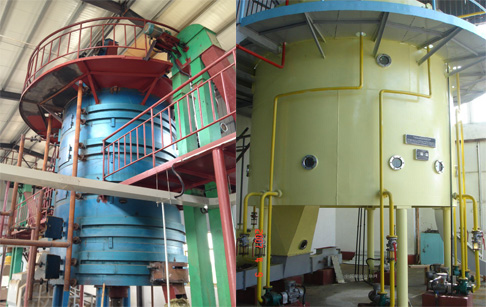
In the realm of high-end edible oils, cold-pressed sunflower oil has emerged as a new favorite. This article delves deep into the entire process of cold-pressing sunflower oil, from raw material selection to low-temperature refining, highlighting how strict temperature control (below 60°C) preserves the natural flavor and nutritional active ingredients. It also presents a detailed comparison between cold-pressed and hot-pressed oils in terms of sensory experience and health benefits, providing practical guidance for small and medium-sized enterprises and boutique oil brands to build a differential competitive edge.
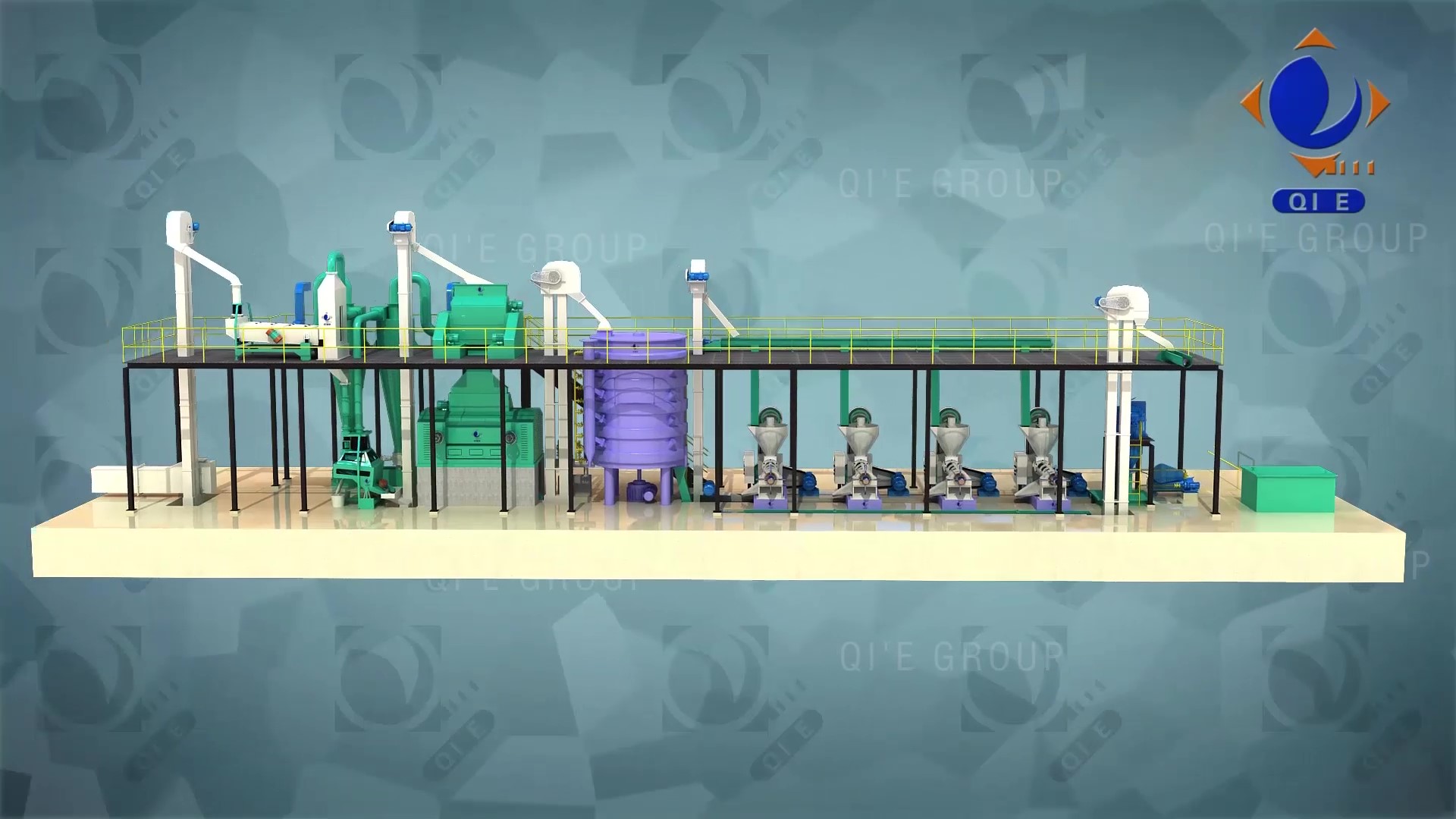
The cold-pressing process of sunflower oil consists of several crucial steps: raw material selection, low-temperature crushing, gentle pressing, precise filtration, and low-temperature refining. At each stage, temperature control plays a vital role. For example, during the low-temperature crushing step, maintaining a temperature below 60°C helps to retain the integrity of the raw materials and prevent the loss of nutrients. Similarly, in the gentle pressing process, strict temperature control ensures that the natural flavor and nutritional components are preserved.

There are significant differences between cold-pressed and hot-pressed sunflower oils in terms of sensory characteristics, nutrition retention, and health benefits. In terms of sensory properties, cold-pressed oil has a more delicate aroma and a lighter color compared to hot-pressed oil. When it comes to nutrition retention, cold-pressed sunflower oil retains up to 95% of vitamin E and a high amount of plant sterols, while hot-pressed oil may lose a significant portion of these nutrients due to high-temperature processing. A study has shown that cold-pressed oil contains 30% more plant sterols than hot-pressed oil, which are known for their cholesterol-lowering effects.
| Aspect | Cold-Pressed Oil | Hot-Pressed Oil |
|---|---|---|
| Aroma | Delicate | Strong |
| Color | Light | Dark |
| Vitamin E Retention | Up to 95% | Significantly lower |
| Plant Sterol Content | 30% more | Lower |
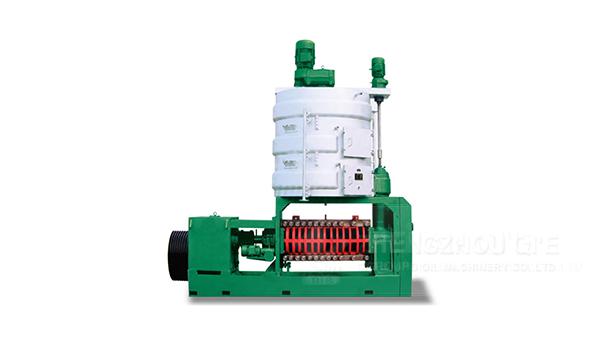
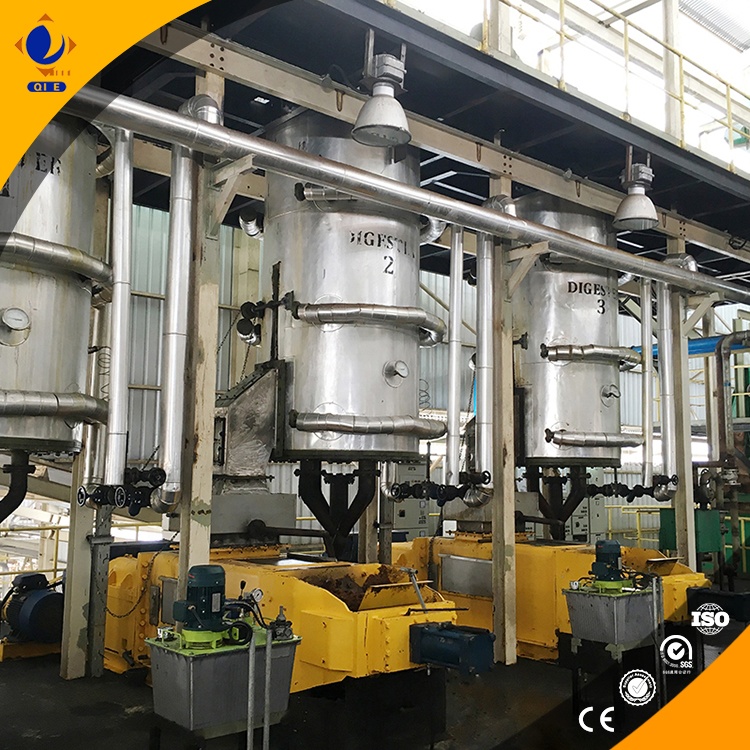
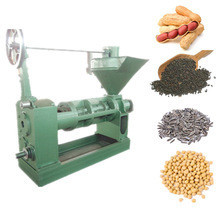
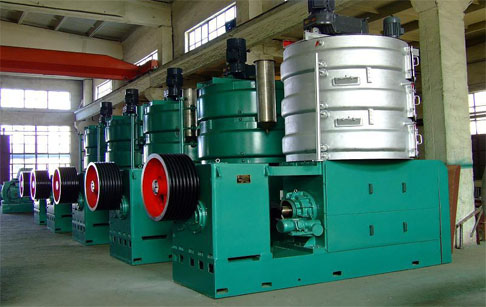
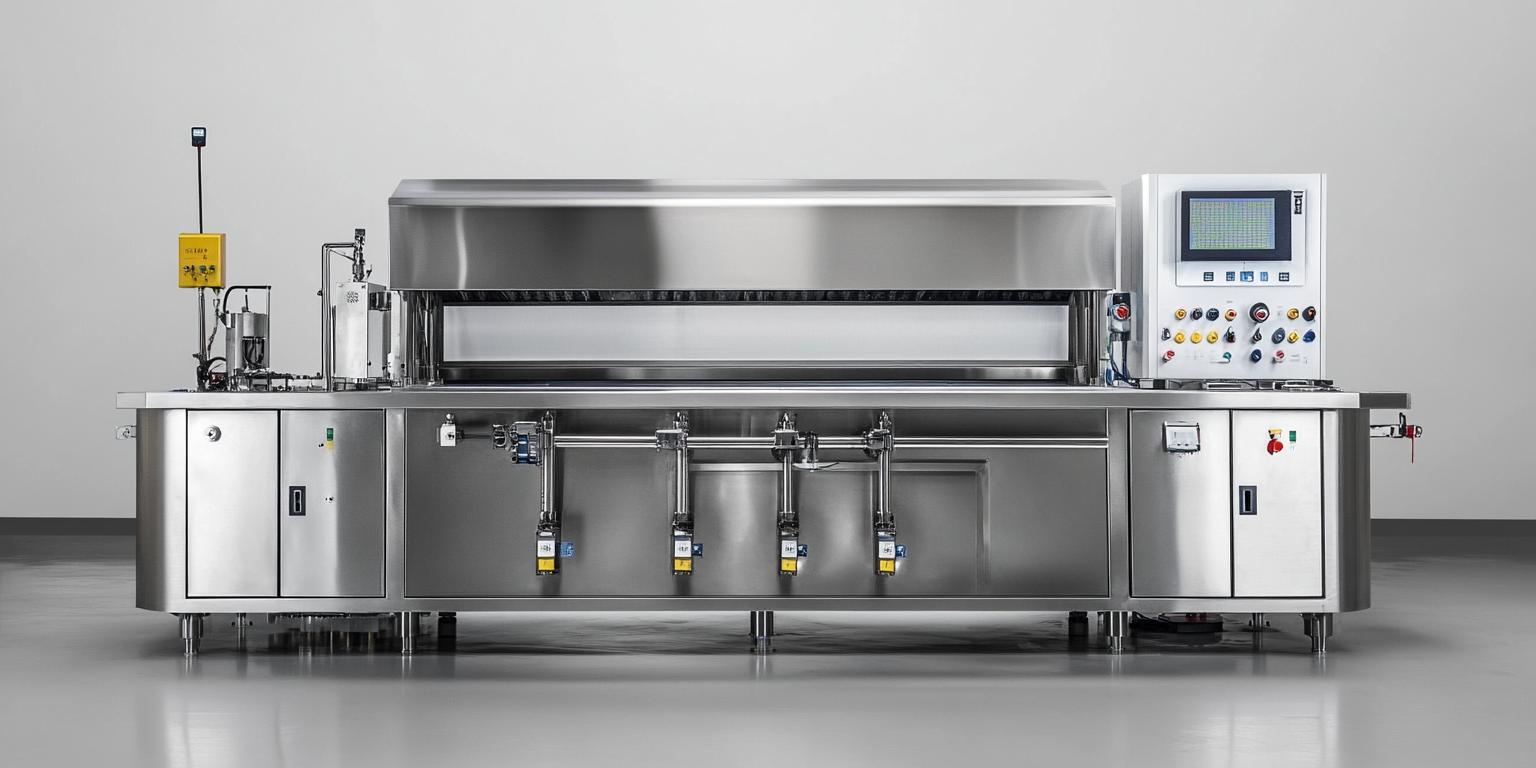
For small and medium-sized enterprises and boutique oil brands, selecting the right equipment is crucial. When choosing cold-pressing equipment, factors such as the type of cold-press (e.g., screw cold-press) and the vacuum desolvation system should be considered. Additionally, setting appropriate quality detection indicators, such as acid value and peroxide value, is essential to ensure the quality of the final product. Moreover, complying with label requirements, such as the GB 2716 standard, is necessary for market access.
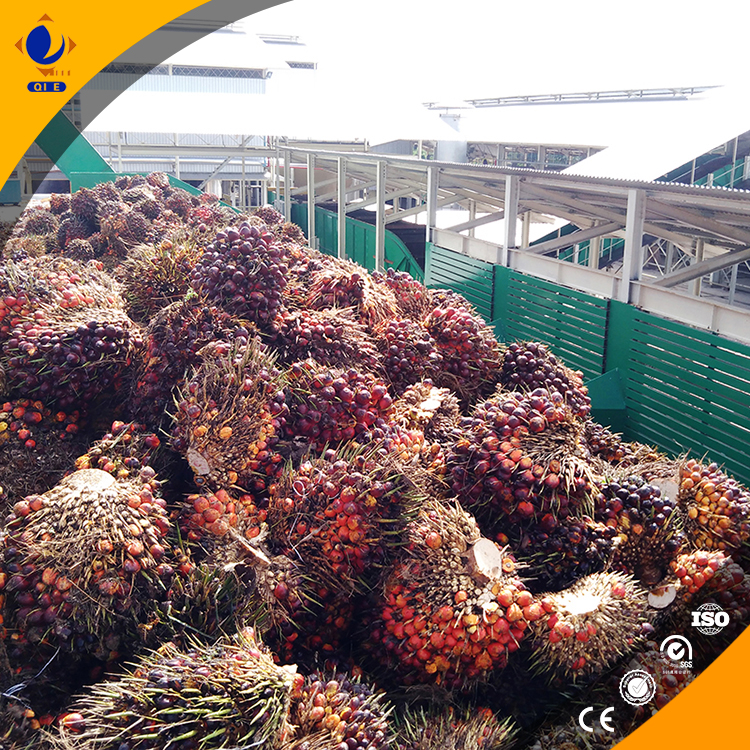
The demand for high-end edible oils is on the rise, and cold-pressing technology offers a significant advantage in terms of brand premium. By using cold-pressing technology, brands can differentiate themselves in the market and attract consumers who are willing to pay a premium for high-quality, healthy products. As a report from the edible oil industry states, "Cold-pressed oils are expected to account for a growing share of the high-end edible oil market in the coming years."
To enhance the readability and dissemination of this information, various content presentation forms can be used, such as图文 flowcharts, case studies, information charts, and FAQ modules. These forms can help readers better understand the complex cold-pressing process and the benefits of cold-pressed sunflower oil.
If you are interested in learning more about the advanced cold-pressing equipment solution for high-quality sunflower oil, click here to explore further and start your journey towards high-quality sunflower oil production.

 260
|
260
|
 Flaxseed Oil Extraction Machinery
High Oil Yield Flaxseed Oil Extraction
Quality Flaxseed Oil Production
Advanced Flaxseed Oil Machinery
Energy Efficient Flaxseed Oil Extraction
Durable Flaxseed Oil Extraction Equipment
Automated Flaxseed Oil Pressing
Flaxseed Oil Refining Machinery
Flaxseed Oil Extraction Machinery
High Oil Yield Flaxseed Oil Extraction
Quality Flaxseed Oil Production
Advanced Flaxseed Oil Machinery
Energy Efficient Flaxseed Oil Extraction
Durable Flaxseed Oil Extraction Equipment
Automated Flaxseed Oil Pressing
Flaxseed Oil Refining Machinery
 374
|
Cold-pressed sunflower oil production process
Low-temperature pressing technology
High-end edible oil process
Sunflower oil nutrition retention
Cold-pressed equipment selection
374
|
Cold-pressed sunflower oil production process
Low-temperature pressing technology
High-end edible oil process
Sunflower oil nutrition retention
Cold-pressed equipment selection
 420
|
Customizable palm oil processing line
palm kernel oil processing equipment
diverse production needs
efficient oil extraction equipment
customized production solutions
420
|
Customizable palm oil processing line
palm kernel oil processing equipment
diverse production needs
efficient oil extraction equipment
customized production solutions
 415
|
Niger seed oil
extraction machinery
market demand
415
|
Niger seed oil
extraction machinery
market demand
 233
|
sunflower oil extraction
solvent extraction method
hexane oil recovery
energy-efficient oil processing
oilseed refining equipment
233
|
sunflower oil extraction
solvent extraction method
hexane oil recovery
energy-efficient oil processing
oilseed refining equipment