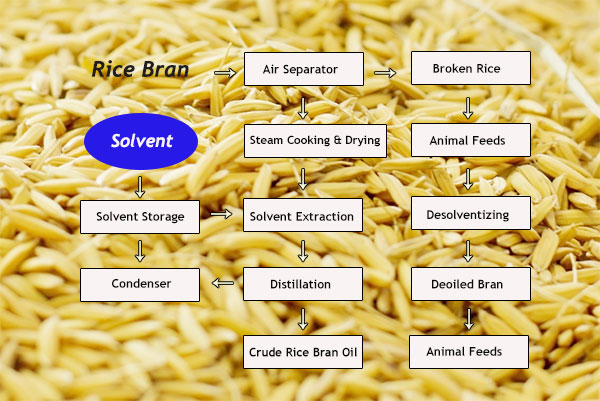
As the world aggressively pursues sustainable green energy, the conversion of agricultural residues into solid biomass fuels has emerged as a practical solution to reduce carbon footprints and enhance rural economies. Among various residues, rice bran residue represents an abundant, yet underutilized feedstock for biofuel production. This article delves into the technical workflow transforming rice bran residue into high-quality pellet fuel, combining scientific analysis and industrial best practices to empower bioenergy developers and policy makers with actionable insights.
Understanding the intrinsic properties of rice bran residue is critical before initiating fuel conversion. Key parameters include:
A representative compositional analysis reveals rice bran residue typically contains approximately 10% moisture, 7% ash, and 60% volatile matter, aligning well with industrial solid fuel standards.
The energy content, measured as Higher Heating Value (HHV), determines the fuel’s thermal efficiency. Laboratory bomb calorimeter tests indicate that rice bran residue pellets have an HHV between 16-18 MJ/kg, comparable with premium wood pellets and surpassing many crop residues.
This energy density ensures suitability for various applications ranging from industrial boilers to domestic heating systems, supporting a transition towards lower-carbon operations.
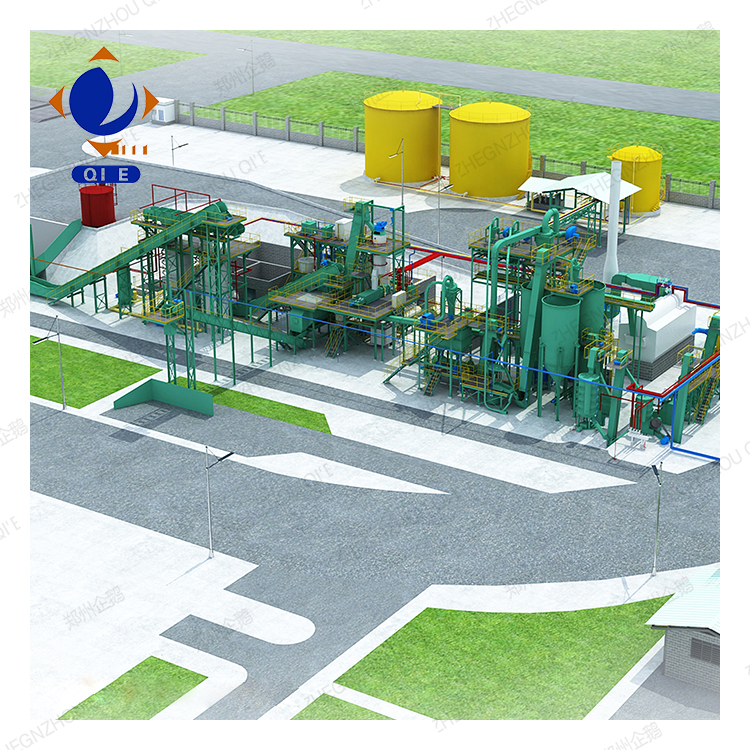
Pellet quality hinges on precise control of processing conditions:
Fine-tuning these parameters has been demonstrated to improve pellet durability rates beyond 95%, critical for commercial viability.
National and regional policies profoundly influence biomass fuel adoption rates:
| Region | Key Incentives | Primary Applications |
|---|---|---|
| China | Subsidies for agricultural waste energy; tax exemptions for pellet producers. | Industrial boilers, rural heating |
| Southeast Asia | Feed-in tariffs for biomass power plants, soft loans for stove upgrades. | Small-scale power generation, cooking fuel |
| European Union | Renewable Energy Directive incentives; carbon credit trading integration. | District heating, combined heat and power (CHP) plants |

According to a senior bioenergy engineer involved in rice bran pellet projects:
“Achieving stability in pellet quality requires rigorous monitoring of moisture and temperature throughout production. Each batch can respond differently depending on residue source and seasonality, but modern instrumentation and adaptive controls enable scalable, reliable output.”
This pragmatic viewpoint underscores the importance of integrating advanced control technology with traditional biomass processing knowledge.
How do you foresee the role of rice bran residue-derived pellets in your regional energy mix? Share your experiences or queries on processing challenges, policy impacts, or market trends via our dedicated discussion platform.
 282
|
282
|
 lab-scale supercritical CO2 extraction
supercritical CO2 extractor operation
walnut oil extraction parameters
CO2 solvent recovery safety
supercritical fluid extraction troubleshooting
lab-scale supercritical CO2 extraction
supercritical CO2 extractor operation
walnut oil extraction parameters
CO2 solvent recovery safety
supercritical fluid extraction troubleshooting
 226
|
palm kernel oil centrifugal separation
centrifugal separators in oil refining
palm kernel oil processing optimization
oil-water emulsification solutions
export quality improvement palm kernel oil
226
|
palm kernel oil centrifugal separation
centrifugal separators in oil refining
palm kernel oil processing optimization
oil-water emulsification solutions
export quality improvement palm kernel oil
 50
|
cold pressing sunflower seed oil production
low-temperature pressing technology
premium edible oil process
cold pressing equipment selection
sunflower seed oil nutrition retention
50
|
cold pressing sunflower seed oil production
low-temperature pressing technology
premium edible oil process
cold pressing equipment selection
sunflower seed oil nutrition retention
 208
|
palm kernel oil centrifugal purification equipment
application of centrifuges in palm kernel oil
optimization of palm kernel oil extraction process
solutions to oil-water emulsification problems
high-efficiency oil separation technology
214
|
Palm kernel oil distillation column
Vacuum distillation vs molecular distillation
Palm kernel oil refining process
Distillation column operation guide
Palm kernel oil quality improvement
208
|
palm kernel oil centrifugal purification equipment
application of centrifuges in palm kernel oil
optimization of palm kernel oil extraction process
solutions to oil-water emulsification problems
high-efficiency oil separation technology
214
|
Palm kernel oil distillation column
Vacuum distillation vs molecular distillation
Palm kernel oil refining process
Distillation column operation guide
Palm kernel oil quality improvement