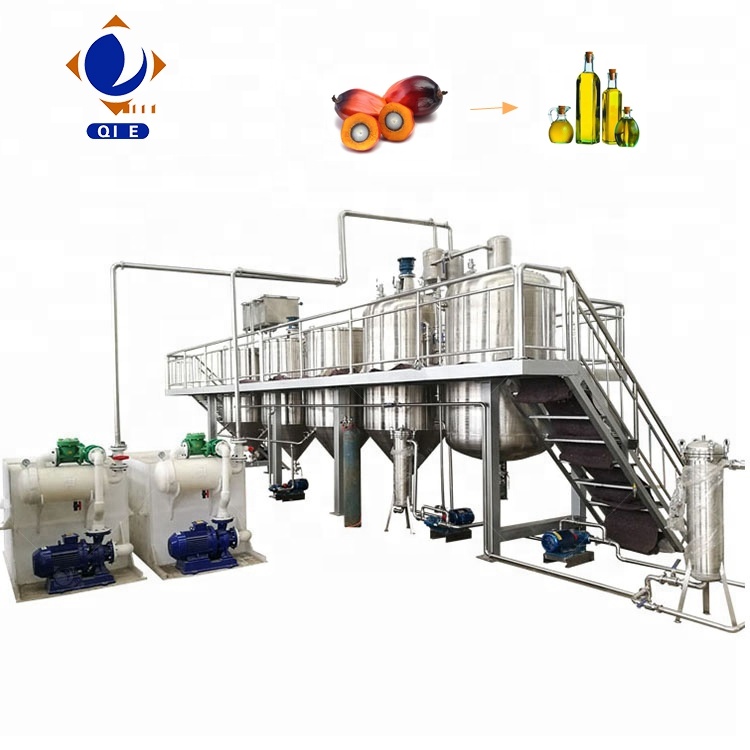
Understanding the science behind oil purification is critical for palm kernel oil producers aiming to improve yield, reduce waste, and meet international quality standards. One of the most effective methods used globally—especially in Southeast Asia, Africa, and Latin America—is centrifugal separation. This technology leverages density differences between oil and water phases to achieve high-purity output with minimal energy consumption.
In a typical palm kernel oil extraction process, raw crude oil contains free water, solids, and emulsified droplets that must be removed before refining. Centrifuges spin at speeds up to 4,000–6,000 RPM, creating forces over 3,000 times gravity (G-force). At this level, even tiny density differences become powerful enough to separate oil from water and solids efficiently.
For example, a study conducted by a Malaysian refinery showed that increasing centrifuge speed from 3,500 to 5,200 RPM reduced residual moisture in final oil from 0.8% to 0.2%, while decreasing residue oil content in sludge from 12% to 4%. These improvements directly translate into higher yields and lower processing costs.
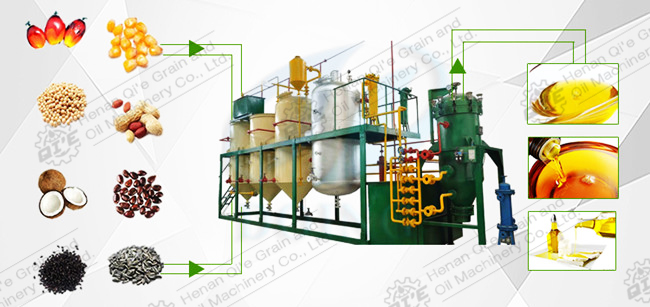
Not all centrifuges are created equal. For palm kernel oil, two types dominate: disc stack and scroll decanter (or卧螺式) centrifuges.
A case in point: a Nigerian processor switched from a manual settling tank to a scroll decanter centrifuge and saw a 30% reduction in labor costs and a 15% increase in daily output within six months.
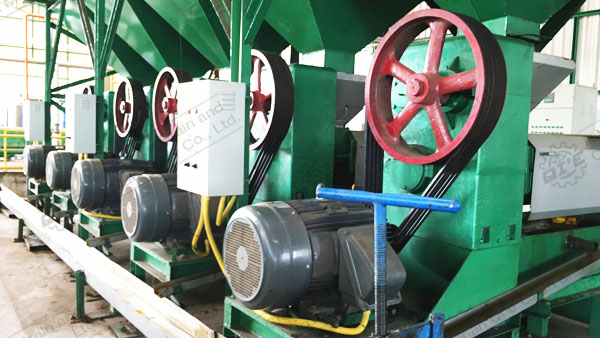
Successful operation isn’t just about choosing the right machine—it’s about tuning it correctly. Based on field data from over 50 facilities worldwide:
| Parameter | Recommended Range | Impact on Output |
|---|---|---|
| Rotation Speed | 4,500–5,500 RPM | ↑ Purity, ↓ Residual Oil in Sludge |
| Feed Rate | 10–15 m³/hour per unit | Too fast = poor separation |
| Temperature Control | 60–70°C | Reduces viscosity → better flow & separation |
Oil-water emulsions remain one of the biggest hurdles in palm kernel oil processing. Often caused by improper pH levels or mechanical shear during pumping, they lead to unstable layers and poor separation. The solution? Pre-treatment steps like chemical demulsifiers (e.g., polymeric agents) or thermal conditioning can break emulsions effectively—reducing downtime by up to 40% in some cases.
Our industrial-grade centrifuges deliver proven results across 30+ countries—helping processors reduce waste, cut energy use, and exceed customer expectations.
Explore Our Centrifugal Solutions Now
 74
|
74
|
 Peanut oil extraction machinery
Southeast Asian Market
Edible Oil Processing
Peanut oil extraction machinery
Southeast Asian Market
Edible Oil Processing
 301
|
Cold-pressed sunflower oil production process
Low-temperature pressing technology
High-end edible oil process
Equipment selection guide
Quality control indicators
301
|
Cold-pressed sunflower oil production process
Low-temperature pressing technology
High-end edible oil process
Equipment selection guide
Quality control indicators
 232
|
B2B export
high-quality mustard oil extraction equipment
mustard oil extraction methods
equipment and process compatibility
232
|
B2B export
high-quality mustard oil extraction equipment
mustard oil extraction methods
equipment and process compatibility
 432
|
palm kernel crusher troubleshooting
crusher maintenance for oil extraction
palm kernel particle size optimization
hammer crusher vs roller crusher
oilseed processing equipment
432
|
palm kernel crusher troubleshooting
crusher maintenance for oil extraction
palm kernel particle size optimization
hammer crusher vs roller crusher
oilseed processing equipment
.jpg?x-oss-process=image/resize,h_300,m_lfit/format,webp) 80
|
Hydraulic oil press
Screw oil press
Sesame oil pressing temperature
Small - scale oil extraction equipment
Sesame oil extraction process
80
|
Hydraulic oil press
Screw oil press
Sesame oil pressing temperature
Small - scale oil extraction equipment
Sesame oil extraction process