.jpg?x-oss-process=image/resize,h_400,m_lfit/format,webp)
Selecting the appropriate sesame oil press equipment is a critical decision for producers aiming to optimize oil yield and maintain product quality. This article offers a clear and comprehensive comparison between hydraulic and screw (also known as expeller) sesame oil press machines, emphasizing their working principles, suitability for various production scales, operational tips, and maintenance guidelines. Whether you run a small artisanal workshop or an industrial-scale facility, this guide will help you make an informed choice that maximizes both efficiency and economic benefits.
The hydraulic oil press employs hydraulic pressure to gently squeeze sesame seeds, extracting oil through sustained high pressure without significant heat generation. This cold-pressing technique preserves delicate flavors and nutrients, producing pure, high-quality oil prized in gourmet markets. The process involves placing seeds into a pressing chamber where a hydraulic piston applies force, gradually extracting oil with minimal oxidation.
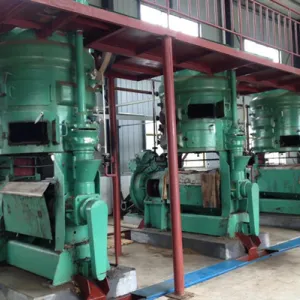
Conversely, the screw oil press machine uses a rotating auger that crushes and presses sesame seeds while generating frictional heat. This continuous process enables higher throughput and is more suitable for medium to large-scale operations. While this heat slightly impacts oil flavor and nutrient content, the screw press offers strong output efficiency and easier integration into automated production lines.
| Feature | Hydraulic Press | Screw Press |
|---|---|---|
| Extraction Method | Cold pressing via hydraulic pressure | Continuous pressing with frictional heat |
| Suitable Production Scale | Small to medium (up to ~200 kg/hr) | Medium to large (200 kg/hr and above) |
| Oil Quality | Higher nutrient retention, premium taste | Slight nutrient loss due to heat, higher yield |
| Operational Complexity | Slower, manual or semi-automated | Faster, fully automated possible |
| Maintenance | Simple, periodic oiling & pressure checks | More components, requires regular screw and bearing upkeep |
For small-scale producers and artisanal workshops, hydraulic presses remain the most suitable option. They excel at preserving the delicate flavor nuances essential for high-end sesame oil, aligning with boutique branding strategies where oil quality commands premium pricing. However, their batch nature limits throughput to around 150-200 kg per hour.
Medium-sized operations seeking to balance quality and efficiency can consider mid-range screw presses with adjustable temperature controls. These machines allow greater flexibility, achieving throughput between 200-500 kg per hour while maintaining acceptable oil quality for regional or export markets.
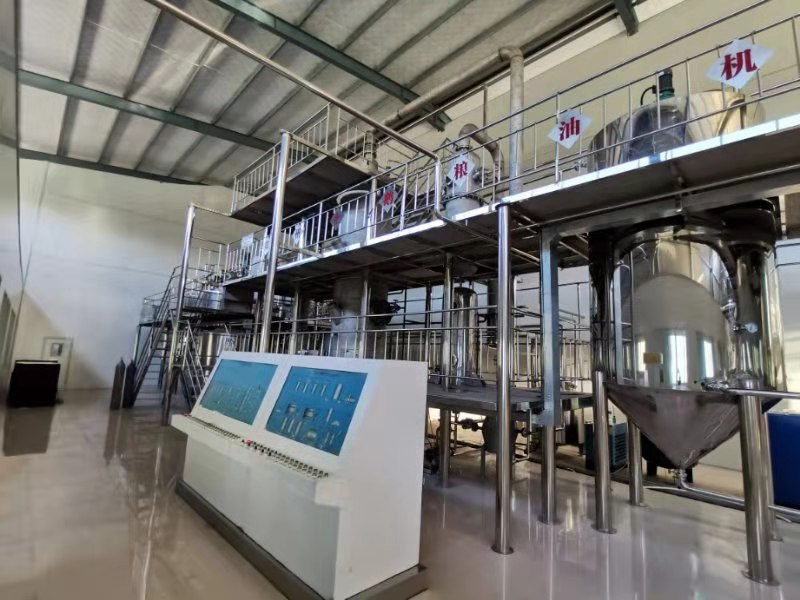
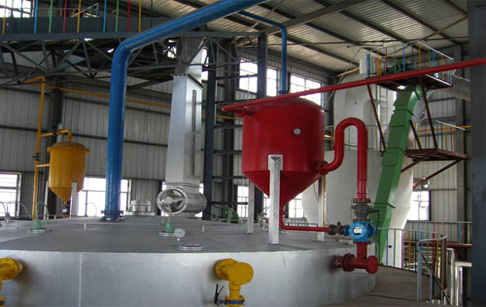
Industrial-scale processors with high-volume demands often opt for large screw press systems integrated with pre-treatment equipment and continuous filtration stages. Throughput can exceed 1000 kg per hour, with the benefit of automation significantly lowering labor costs. Though some oil quality compromises exist, blending with cold-pressed oils or refining can address these concerns.
.jpg)
Routine maintenance ensures longevity and reliable performance. For hydraulic presses, regularly inspect seals and hydraulic oil condition, lubricate moving parts, and check pressure gauges. Screw presses require inspection and cleaning of screws and barrels, replacement of worn bearings, and ensuring proper alignment to prevent vibrations.
Choosing the right sesame oil press equipment is an investment in both product excellence and operational efficiency. Business owners must weigh production volume, quality goals, and operational capacities to find the ideal match. Whether prioritizing artisanal quality or maximizing throughput, understanding these machines’ distinct benefits empowers producers to thrive in competitive markets.