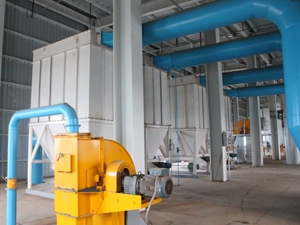
In an era where health-conscious consumers demand transparency and quality, cold-pressed sunflower oil has emerged as a standout in the premium edible oil segment. Unlike traditional hot-pressed methods that can degrade delicate nutrients, cold pressing preserves the natural integrity of oils—making it not just a trend, but a science-backed evolution.
The core of cold-pressed sunflower oil lies in strict temperature control—typically below 60°C throughout the entire process. This ensures that heat-sensitive compounds like vitamin E (tocopherols), plant sterols, and polyphenols remain intact. According to a 2023 study by the Journal of Food Engineering, cold-pressed oils retain up to 95% of their original vitamin E content, compared to only 60–70% in conventional hot-pressed versions.
| Feature | Cold-Pressed | Hot-Pressed |
|---|---|---|
| Vitamin E Retention | ~95% | ~65% |
| Smoke Point | 160–180°C | 210–230°C |
| Flavor & Aroma | Fresh, nutty, clean | Slightly burnt, neutral |
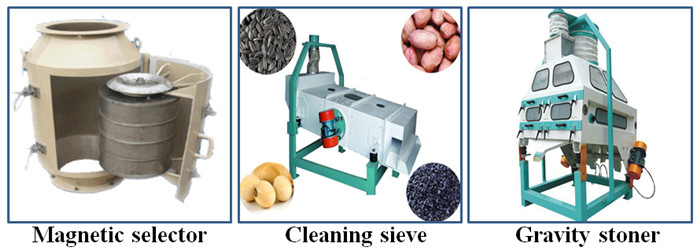
A successful cold-pressed operation hinges on five critical steps:
This meticulous workflow is now standard among top-tier brands like SunSeed Naturals and Olio Verde, which report 30–40% higher customer retention rates due to perceived purity and superior taste.
For manufacturers targeting Europe, North America, or the Middle East, compliance isn’t optional—it’s competitive advantage. Key metrics include:
As global demand for transparent, healthy cooking solutions rises—especially in urban markets like Dubai, Berlin, and Toronto—brands that invest in cold-pressed technology aren't just meeting expectations—they're setting them.
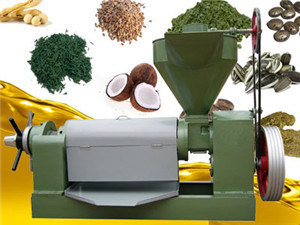
Discover how our advanced spiral cold press machines can help you produce premium-grade sunflower oil with consistent quality and full traceability.
Explore Advanced Cold Press Equipment Solutions
 101
|
101
|
 high-tech palm oil deodorization processing equipment
advanced palm oil extraction technology
efficient palm oil refining machine
eco-friendly palm oil processing equipment
304 stainless steel palm oil equipment
ISO9001 certified palm oil production
fast delivery palm oil processing machines
palm oil production technology
Penguin Group palm oil equipment
palm oil processing solutions
high-tech palm oil deodorization processing equipment
advanced palm oil extraction technology
efficient palm oil refining machine
eco-friendly palm oil processing equipment
304 stainless steel palm oil equipment
ISO9001 certified palm oil production
fast delivery palm oil processing machines
palm oil production technology
Penguin Group palm oil equipment
palm oil processing solutions
 166
|
rice bran oil extraction machinery
rice bran oil refining process
degumming equipment
deacidification technology
rice bran oil quality improvement
166
|
rice bran oil extraction machinery
rice bran oil refining process
degumming equipment
deacidification technology
rice bran oil quality improvement
 281
|
plant oil production line
solvent extraction technology
oil processing
soybean oil
rapeseed oil
high oil yield
international quality standards
automated control system
after-sales service
cost-effectiveness
281
|
plant oil production line
solvent extraction technology
oil processing
soybean oil
rapeseed oil
high oil yield
international quality standards
automated control system
after-sales service
cost-effectiveness
 392
|
energy saving
environmental protection
production efficiency
392
|
energy saving
environmental protection
production efficiency
 231
|
multi-functional peanut oil refining equipment
food safety compliant peanut oil processor
refining equipment for various scale oil mills
231
|
multi-functional peanut oil refining equipment
food safety compliant peanut oil processor
refining equipment for various scale oil mills