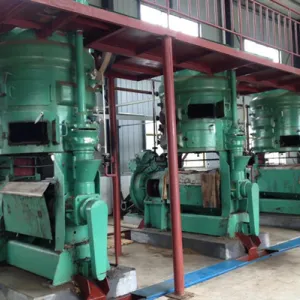
If you're a small or mid-sized manufacturer aiming to stand out in the global edible oil market, cold-pressed sunflower oil is your golden ticket. It’s not just about "cold pressing"—it's about mastering every step from seed selection to shelf-ready labeling. Here’s how to do it right.
The magic of cold-pressed oils lies in maintaining temperatures below 60°C throughout processing. According to the European Food Safety Authority (EFSA), this temperature threshold preserves vital nutrients like vitamin E, polyphenols, and natural antioxidants—key differentiators for health-conscious buyers in the EU and North America.
| Processing Method | Vitamin E Retention | Flavor Profile |
|---|---|---|
| Cold Pressed (<60°C) | ~85–92% | Nutty, fresh, clean |
| Hot Pressed (>120°C) | ~40–55% | Bitter, burnt, neutral |
This isn’t just science—it’s marketing. Buyers in Germany, Canada, and Australia pay up to 30% more for oils that clearly communicate their nutrient retention and sensory quality.
Start with high-grade sunflower seeds sourced from certified organic farms. Use a gentle roller crusher at 35–45°C to break cell walls without releasing free fatty acids. Then, apply hydraulic pressure under 50°C—this ensures an extraction rate of ~70–75%, compared to ~60% in hot-pressed methods.
After pressing, filter through ceramic membranes at 15–20°C to remove micro-particles while keeping volatile aromatics intact. Finally, store in nitrogen-flushed stainless steel tanks until bottling—this prevents oxidation and maintains freshness for up to 18 months.
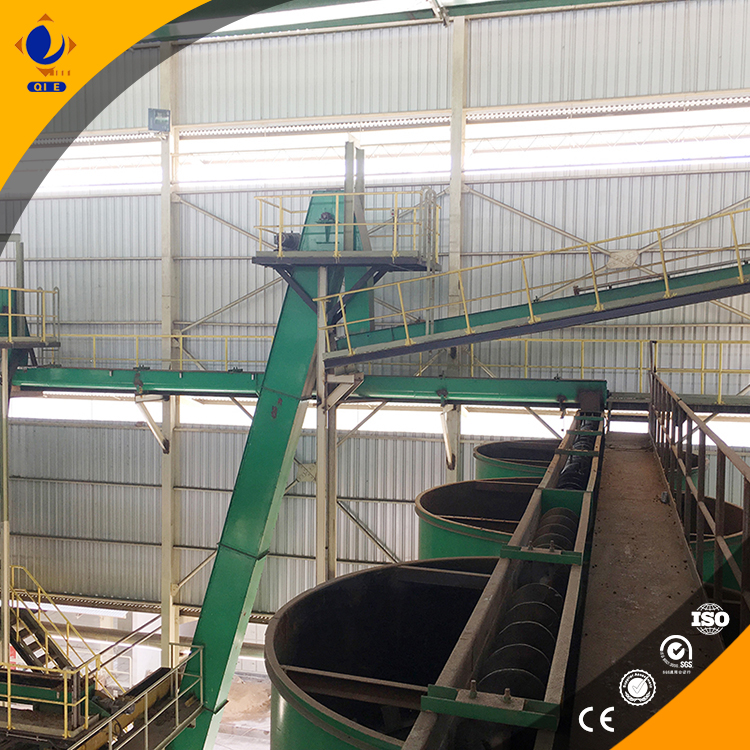
In the U.S., FDA requires clear declaration of “cold pressed” only if temperature stays below 60°C during extraction. But smart brands go further: add phrases like “No heat treatment,” “Preserves natural aroma,” or “Rich in Vitamin E” directly on the front label.
For EU markets, include the EU Organic logo and mention compliance with Regulation (EU) No 1169/2011 on food information. These small touches signal professionalism—and premium positioning—to B2B buyers who value traceability and safety.
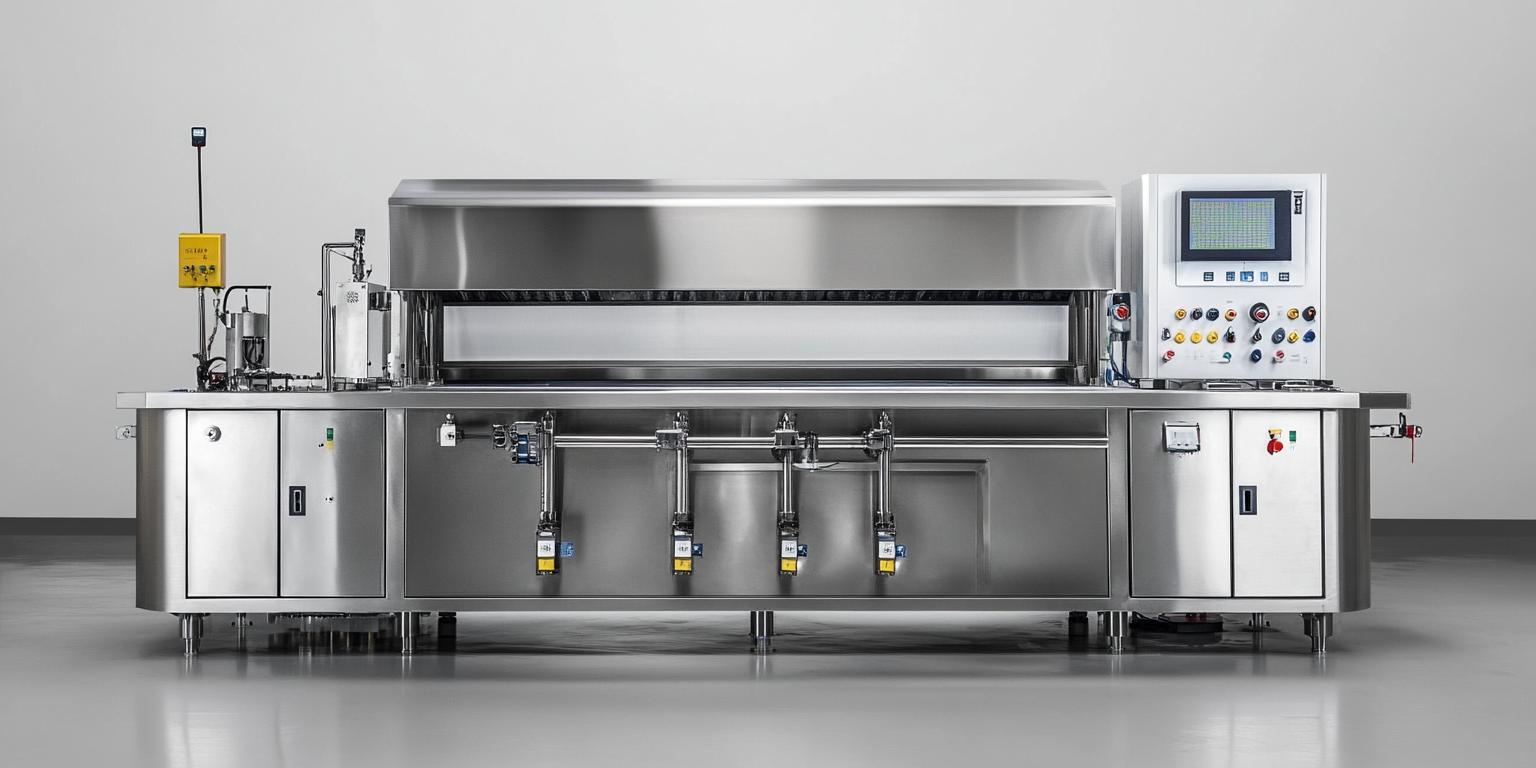
You don’t need a factory-level setup to compete. Focus on one core strength—say, consistent low-temp processing—and build your reputation around it. Partner with local labs for monthly QC checks (cost: $50–$100 per batch). Use digital tools like Alibaba’s Quality Assurance Service to pre-vet suppliers and reduce risk.
And remember: your brand story matters. One Chinese SME increased inquiries by 40% after adding a short video to their product page showing the cold-pressing process—no voiceover, just real-time footage of workers handling seeds and machines. Authenticity sells better than specs.
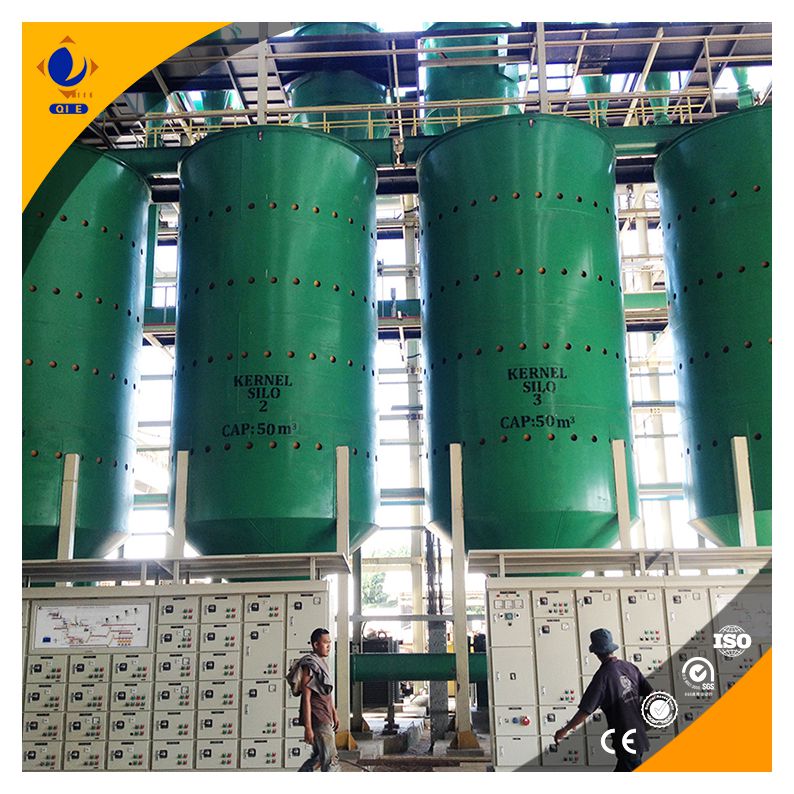
Ready to elevate your cold-pressed sunflower oil?
Explore our advanced cold-pressing equipment solutions tailored for SMEs — designed for precision, efficiency, and scalability.