The production of cold-pressed sunflower oil involves a carefully orchestrated sequence of technological steps designed to preserve the oil’s natural flavor, aroma, and abundant nutrients. As high-end edible oil demand surges globally, manufacturers, especially small to medium enterprises, must master the critical aspects of process control—most notably temperature management below 60°C—to maintain premium quality and differentiate their products in an increasingly competitive marketplace.
Selecting high-grade sunflower seeds is the cornerstone of superior oil quality. Key parameters include seed moisture content (ideally between 7-9%), size uniformity, and absence of contaminants and molds. Recent industry surveys indicate that sourcing certified organic or non-GMO seeds can enhance brand value and appeal to health-conscious consumers. A rigorous quality inspection protocol at this stage reduces downstream processing losses and sustains nutrient density in the final product.
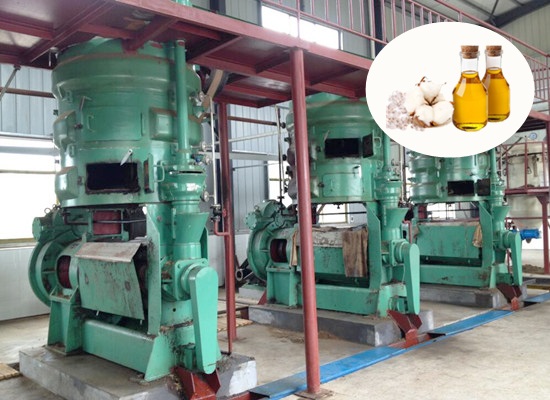
The cold-pressing technique hinges on controlling the crushing temperature below 60°C to prevent oxidation and nutrient degradation. Modern low-temperature screw presses equipped with cooling jackets ensure minimal heat buildup during seed rupture. This gentle mechanical extraction preserves delicate polyunsaturated fatty acids and vitamin E content—critical for both health benefits and superior sensory profiles.
Contrast this with traditional hot-pressing methods, where seed temperatures can exceed 90°C, leading to partial loss of flavor compounds and nutritional constituents. According to a comparative study by the Edible Oil Research Institute (2023), cold-pressed sunflower oils retain up to 35% more antioxidants than their heated counterparts.
Post-extraction, cold-pressed oil contains fine particulates and mucilage that require removal for shelf stability and clarity. Employing multi-stage filtration—typically involving filter presses with cellulose or diatomaceous earth media—ensures oil purity without heat-induced deterioration. Industry best practice recommends filtration systems capable of operating under inert gas atmospheres to further reduce oxidation risk.
Unlike conventional refining that subjects oil to high temperatures and chemical treatments, low-temperature refining utilizes vacuum and gentle bleaching at temperatures below 60°C. This approach minimizes the loss of flavor volatiles and bioactive compounds, meeting the stringent criteria of premium brands. Inline monitoring of peroxide value and free fatty acid content ensures consistent oil quality, targeting peroxide values less than 5 meq/kg to guarantee freshness.

Comparative sensory analysis reveals that cold-pressed sunflower oil possesses a distinctly fresh, nutty aroma and a lighter color spectrum, appealing to discerning consumers. Nutritionally, cold-pressed oils retain higher levels of linoleic acid, tocopherols, and phytosterols, contributing to antioxidant and cholesterol-lowering benefits. These health-promoting attributes align with global trends emphasizing clean-label, minimally processed edible oils.
Data aggregated from multiple international studies show cold-pressed oils can have up to 40% greater vitamin E content and improved oxidative stability during storage compared to hot-pressed variants, enhancing shelf life without artificial additives.
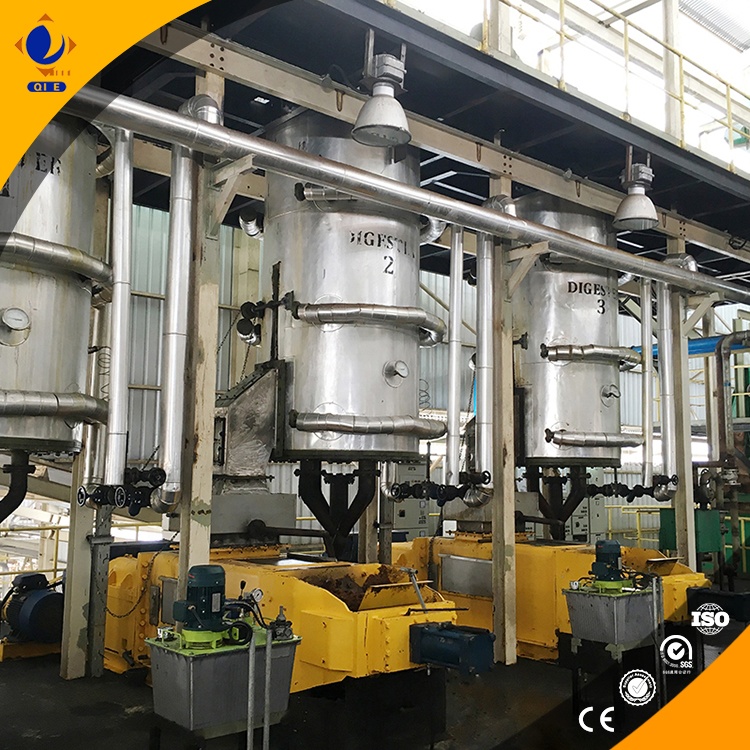
For SMEs aiming to penetrate premium markets, selecting reliable cold-pressing equipment is crucial. Recommended features include stainless steel construction for hygienic operation, adjustable screw cavities for optimizing pressure, and integrated cooling systems to consistently maintain temperature below critical limits. Partnering with suppliers offering turnkey solutions and technical support accelerates production efficiency.
Quality control protocols should incorporate HPLC analysis for fatty acid profiles and routine sensory panels to uphold brand standards. Compliance with regional edible oil labeling regulations and certifications (such as ISO 22000 and organic standards) further strengthen market credibility.

Capitalizing on the rising health-conscious consumer base requires brands to emphasize cold-pressing technology advantages in their marketing messaging. SEO strategies focusing on keywords like “cold-pressed sunflower oil production process”, “low-temperature pressing technology”, and “premium edible oil manufacturing” can significantly boost organic visibility and attract quality B2B leads.
Additionally, incorporating authoritative technical content such as detailed production workflows, scientific data, and equipment sourcing guides into brand websites or industry platforms establishes thought leadership—key for nurturing trust with distributors, retailers, and end consumers.

 44
|
44
|
 mustard oil extraction equipment compatibility
cold press mustard oil equipment requirements
solvent extraction mustard oil equipment features
mustard oil extraction equipment compatibility
cold press mustard oil equipment requirements
solvent extraction mustard oil equipment features
 404
|
QIE Group
Isolated Soy Protein
Non-GMO
Environmental friendly
high protein
Nutritional Supplements
food processing
B2B Export
Quality Assurance
Personalization
404
|
QIE Group
Isolated Soy Protein
Non-GMO
Environmental friendly
high protein
Nutritional Supplements
food processing
B2B Export
Quality Assurance
Personalization
 219
|
Soybean Oil Extraction Machinery
efficient oil extraction machinery
soybean oil pressing equipment
soybean oil refining systems
automated soybean oil extraction
high-quality edible oil
soybean oil production line
oil extraction methods
soybean processing equipment
versatile oil extraction machinery
219
|
Soybean Oil Extraction Machinery
efficient oil extraction machinery
soybean oil pressing equipment
soybean oil refining systems
automated soybean oil extraction
high-quality edible oil
soybean oil production line
oil extraction methods
soybean processing equipment
versatile oil extraction machinery
 297
|
rice bran oil extruder optimization
extruder parameter tuning for oil yield
rice bran oil processing equipment
oil extraction efficiency improvement
twin screw vs single screw extruder
297
|
rice bran oil extruder optimization
extruder parameter tuning for oil yield
rice bran oil processing equipment
oil extraction efficiency improvement
twin screw vs single screw extruder
 320
|
Palm Kernel Oil Extraction Machinery
Palm Oil Processing Equipment
Oil Extraction Machinery Benefits
Efficient Palm Kernel Processing
High-Quality Palm Kernel Oil Extraction
Sustainable Oil Extraction Solutions
Advanced Palm Kernel Equipment
Palm Kernel Oil Extraction Technology
320
|
Palm Kernel Oil Extraction Machinery
Palm Oil Processing Equipment
Oil Extraction Machinery Benefits
Efficient Palm Kernel Processing
High-Quality Palm Kernel Oil Extraction
Sustainable Oil Extraction Solutions
Advanced Palm Kernel Equipment
Palm Kernel Oil Extraction Technology







.jpg?x-oss-process=image/resize,m_fill,h_300,w_300/format,webp)






.jpg)

