For food manufacturers targeting premium markets—especially in Europe, North America, and the Middle East—cold-pressed sunflower oil is no longer just a niche product. It’s a strategic differentiator. With growing consumer demand for clean-label, nutrient-rich oils, understanding the full production chain—from raw material selection to low-temperature refining—is essential.
1. Raw Material Selection: Only high-quality, non-GMO sunflower seeds with moisture content below 8% should be used. Seeds must be free from mold, insect damage, and foreign matter (per ISO 3632). This step alone can reduce acid value by up to 30% in final products.
2. Low-Temperature Crushing: Unlike traditional hot crushing (>80°C), cold pressing keeps temperatures under 60°C. Studies from the Journal of Food Science show this preserves up to 95% of vitamin E and plant sterols compared to heat-exposed oils.
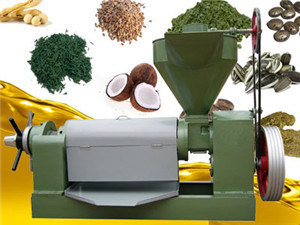
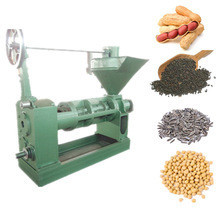
3. Gentle Pressing: Use screw presses or hydraulic presses designed for cold extraction. Avoid mechanical friction that raises temperature. Optimal pressure range: 3–5 MPa. Yield typically ranges from 30–40% depending on seed quality.
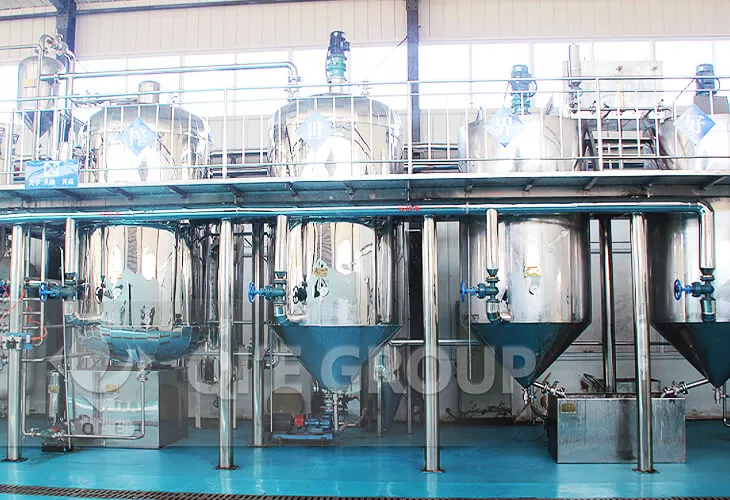
4. Precision Filtration: Remove solids using filter presses or membrane filtration at ≤40°C. This prevents oxidation and maintains clarity—a key selling point for gourmet brands.
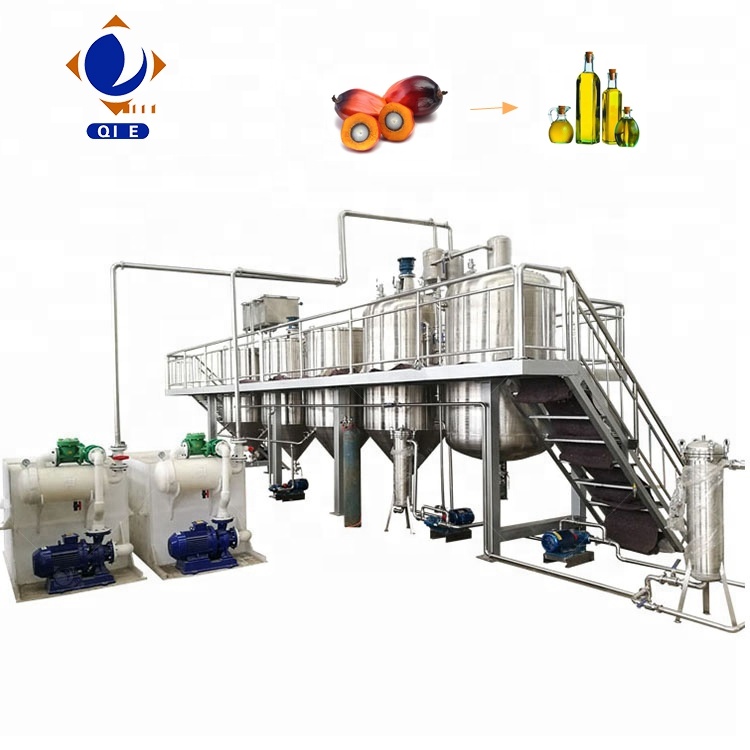
5. Mild Refining (Optional but Recommended): If further purification is needed, use physical refining (steam stripping) at ≤60°C instead of chemical methods. This retains more natural flavor and reduces processing losses.
6. Packaging & Storage: Store in nitrogen-flushed, UV-resistant bottles. Shelf life increases by 30–50% when stored below 20°C away from light.
“Cold-pressed oils retain over 70% more polyphenols than their hot-pressed counterparts.” — FAO Food Processing Handbook, 2022
Why does this matter for your business? Because buyers don’t just buy oil—they buy trust. In Germany, 68% of B2B buyers prioritize "nutrient retention" over price when sourcing specialty oils (source: Euromonitor 2023). In UAE, importers often ask about thermal processing history during supplier audits.
If you’re a small-to-mid-sized manufacturer looking to enter the high-value segment, here’s what you need now:
Your cold-pressed process isn’t just technical—it’s a brand promise. Every degree above 60°C erodes trust. Every gram of retained vitamin E builds loyalty.
Explore our certified cold-press equipment solutions tailored for SMEs entering premium markets.
Get Your Free Equipment Comparison Guide
 394
|
394
|
 Energy-efficient palm oil refining equipment
Penguin Group
fully automated PLC control system
reduce production costs
industrial sustainable development
Energy-efficient palm oil refining equipment
Penguin Group
fully automated PLC control system
reduce production costs
industrial sustainable development
 434
|
solvent extraction equipment
sesame oil refining process
six-step refining technology
solvent recovery system
export-grade sesame oil production
434
|
solvent extraction equipment
sesame oil refining process
six-step refining technology
solvent recovery system
export-grade sesame oil production
 360
|
Sunflower oil pressing
Vitamin E retention
Pressure and temperature control
Physical pressing process
Oil yield optimization
360
|
Sunflower oil pressing
Vitamin E retention
Pressure and temperature control
Physical pressing process
Oil yield optimization
 253
|
palm oil refining equipment
efficient palm oil processing equipment
energy-saving eco-friendly palm oil machinery
253
|
palm oil refining equipment
efficient palm oil processing equipment
energy-saving eco-friendly palm oil machinery
 175
|
sunflower seed oil extractor
types of sunflower seed oil extractors
sunflower seed oil extraction process
175
|
sunflower seed oil extractor
types of sunflower seed oil extractors
sunflower seed oil extraction process