
As health-conscious consumers increasingly demand transparency and quality in food ingredients, cold-pressed sunflower oil has emerged as a standout product—especially among premium edible oil brands targeting North America, Europe, and the Middle East. But what makes it different from traditional hot-pressed oils? The answer lies in one critical factor: temperature control during processing.
When the pressing temperature stays below 60°C (140°F), key nutrients like vitamin E, polyphenols, and natural antioxidants remain intact. According to a 2022 study published in the Journal of Food Engineering, cold-pressed sunflower oil retains up to 95% of its original vitamin E content, compared to only 60–70% in conventional heat-extracted versions. This isn't just about nutrition—it impacts flavor, shelf life, and consumer trust.
| Step | Critical Control Point | Impact on Quality |
|---|---|---|
| Raw Material Selection | Use non-GMO, high-linoleic seeds | Ensures consistent taste profile and higher antioxidant levels |
| Low-Temp Crushing | Keep below 55°C | Preserves essential fatty acids and reduces oxidation risk |
| Gentle Pressing | Hydraulic press at ≤60°C | Maintains natural aroma and prevents nutrient degradation |
| Final Filtration & Storage | Avoid exposure to oxygen and light | Extends shelf life by 30–40% vs. standard methods |
Global buyers—from boutique grocery chains in Germany to private label manufacturers in the UAE—are shifting toward cold-pressed oils because they offer superior sensory profiles. Unlike hot-pressed oils that often carry a “burnt” or “nutty” note, cold-pressed variants retain a mild, clean flavor that complements both cooking and salad applications. More importantly, these oils score better on lab tests: acid value typically under 0.5 mg KOH/g, and peroxide value below 5 meq O₂/kg—critical metrics for international compliance (EU, FDA, GCC).

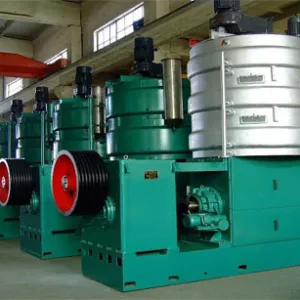
For SMEs entering this space, the challenge is not just technical—it’s strategic. Choosing the right equipment matters: hydraulic cold presses with precise thermal regulation are more cost-effective than centrifugal systems for small-scale operations. And don’t overlook labeling—clearly stating "cold-pressed," "no added chemicals," and "vitamin E-rich" can significantly boost perceived value in markets where health claims drive purchasing decisions.
“In 2023, a UK-based brand saw a 35% increase in repeat orders after switching to cold-pressed sunflower oil and clearly communicating the science behind their process.” — Food Innovation Report, Q4 2023
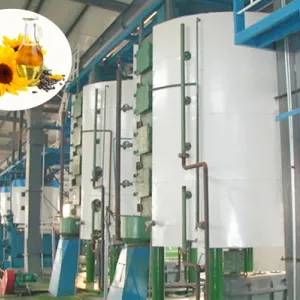
Explore our curated selection of industrial-grade cold-press machines designed for efficiency, consistency, and compliance with global standards.
Get Your Free Equipment Assessment Now →





.jpg?x-oss-process=image/resize,m_fill,h_300,w_300/format,webp)
