Cold Pressing, Hot Pressing or Solvent Extraction: Selecting the Right Edible Oil Processing Route
2026-08-15
Qi'e Grain and Oil Machinery Co., Ltd.
Qi'e Grain and Oil Machinery Co., Ltd. compares cold pressing, hot pressing and solvent extraction for edible oil processing, covering feedstock suitability, equipment configuration, capacity planning and oil characteristics.
Selecting an edible oil processing route is a practical decision that affects raw-material handling, equipment configuration, production capacity, oil characteristics and downstream refining requirements. Qi'e Grain and Oil Machinery Co., Ltd. supports oil mill investors and processors in evaluating three widely used approaches: cold pressing, hot pressing and vegetable oil solvent extraction.
There is no single process that fits every project. The appropriate route depends on the oilseed or oil-bearing material, the intended product positioning, the target output and the overall project objective. Soybeans, palm kernels and sunflower seeds, for example, have different processing considerations and may require different combinations of preparation, extraction and refining equipment.
Three Main Routes for Edible Oil Processing
Cold pressing, hot pressing and solvent extraction each serve a distinct role in edible oil processing. In many projects, the selected method is not only an extraction choice; it also determines the design of upstream preparation systems and the requirements for oil clarification, filtration or refining.
Cold Pressing
Cold pressing uses mechanical extraction with controlled processing conditions intended to limit excessive heat exposure. It is often considered when preserving the natural sensory profile and selected characteristics of the oil is an important product objective.
Typical focus: product differentiation, relatively straightforward mechanical processing and oil products positioned around a minimally processed approach.
Hot Pressing
Hot pressing generally incorporates heating or conditioning before mechanical pressing. Proper material preparation can support pressing performance and is commonly used for a range of conventional oilseed processing applications.
Typical focus: mechanical oil production with process conditioning, adaptable line design and integration with clarification or refining steps where required.
Solvent Extraction
Vegetable oil solvent extraction is a specialized industrial process used to recover oil from prepared material through a solvent-based extraction stage followed by separation and recovery operations.
Typical focus: larger-scale processing, systematic material preparation and a complete process design that addresses extraction, solvent recovery and subsequent oil treatment.
Process Comparison at a Glance
| Evaluation Area |
Cold Pressing |
Hot Pressing |
Solvent Extraction |
| Core principle |
Mechanical pressing with controlled heat exposure |
Mechanical pressing after material conditioning or heating |
Solvent-based recovery from prepared oil-bearing material |
| Project consideration |
Oil positioning and feedstock suitability |
Preparation conditions and mechanical process design |
Capacity planning, process integration and dedicated operating controls |
| Equipment scope |
Preparation, press, oil clarification and filtration as needed |
Preparation, conditioning, press and oil handling systems |
Preparation, extractor, separation, recovery and oil treatment systems |
| Oil treatment planning |
Depends on the desired finished-oil specification |
Depends on feedstock, process conditions and finished-oil requirements |
Usually considered as part of a complete extraction and refining plan |
Start with the Feedstock, Not the Equipment
Feedstock properties should be reviewed before an oil extraction process is selected. Oil content, moisture condition, particle size, shell or hull content, impurity level and material flow characteristics all influence preparation and extraction decisions.
- Soybeans: commonly require a process plan that considers preparation and the intended scale of oil recovery. A soybean oil production line can be configured around the project’s selected extraction route and downstream requirements.
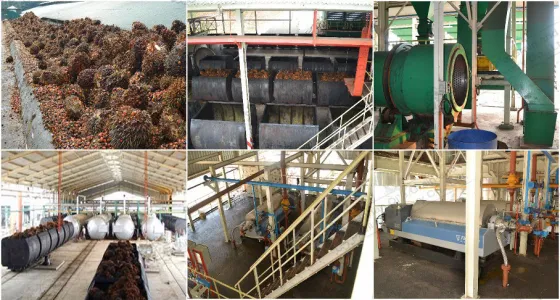
- Palm kernels: require attention to raw-material preparation and mechanical handling. Project planning for palm kernel oil production line equipment should reflect the characteristics of the incoming material and the desired production flow.
- Sunflower seeds and other oilseeds: should be assessed according to their physical condition, preparation needs and the intended oil product. Extraction equipment selection should follow this assessment rather than rely on a one-size-fits-all configuration.
How to Choose the Appropriate Processing Route
A sound oil extraction process selection normally combines technical, commercial and operational considerations. The following sequence provides a practical basis for early-stage project discussions.
- Define the feedstock and supply condition. Identify the material to be processed and evaluate consistency, cleanliness, moisture condition and preparation requirements.
- Clarify the intended oil product. Determine whether the project emphasizes a cold-pressed product profile, conventional pressed oil or an extraction route designed for a broader industrial processing scheme.
- Establish capacity and operating objectives. Consider planned throughput, operating schedule, available utilities, site conditions and the desired level of process integration.
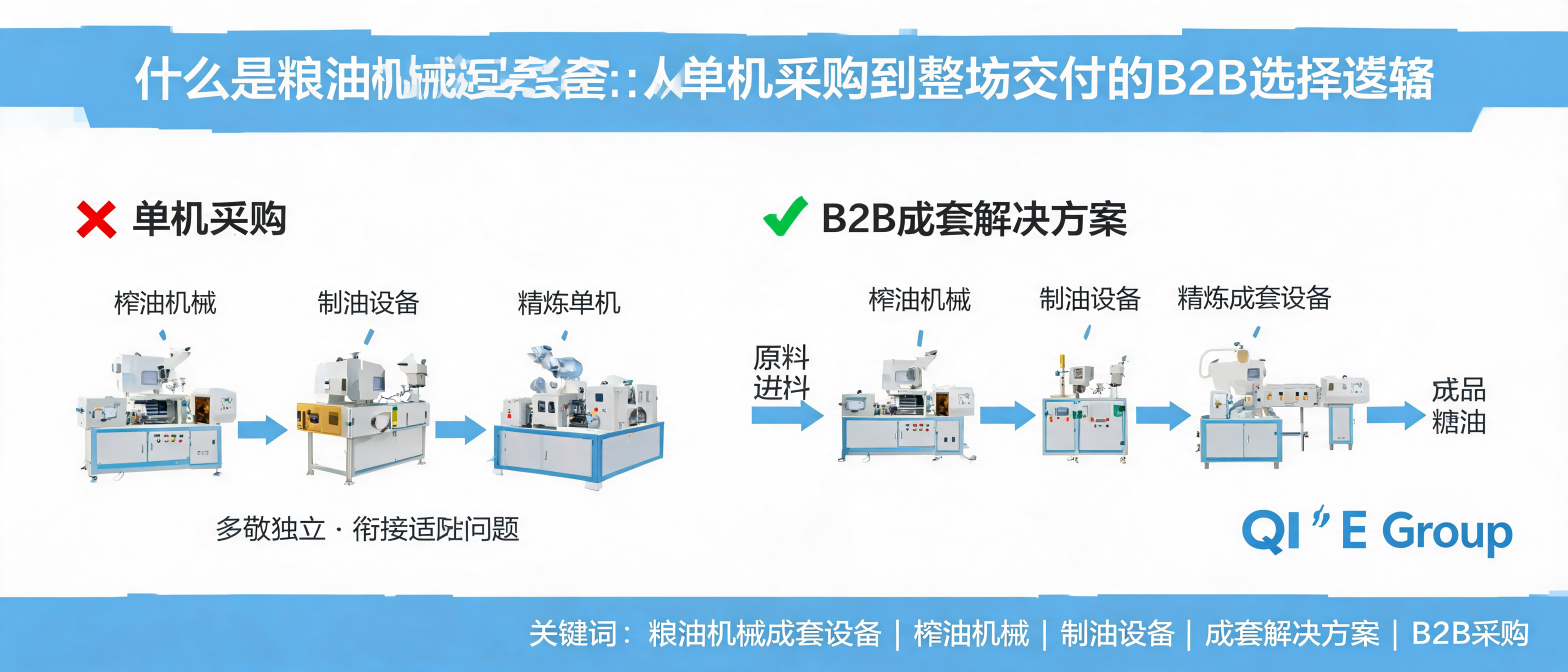
- Plan the full equipment scope. An oil press is only one part of the line. Feeding, cleaning, preparation, conditioning, oil clarification, filtration, storage and refining may all be relevant depending on the selected route.
- Review downstream handling requirements. The characteristics of crude oil and the target finished-oil standard should guide decisions on refining, storage and packaging interfaces.
Equipment Configuration Should Follow the Process Logic
Reliable project planning connects each equipment module to a defined processing purpose. Depending on the route and feedstock, an edible oil processing line may include material receiving and cleaning, size reduction or flaking, conditioning, pressing or extraction, crude-oil clarification, filtration and refining equipment.
Mechanical Pressing Systems
Suitable for projects using cold or hot pressing logic, with configuration based on material preparation and oil handling needs.
Solvent Extraction Systems
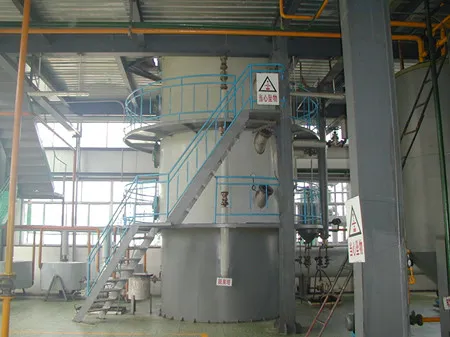
Designed as an integrated process section for prepared material, extraction operations, separation and recovery stages.
Oil Refining Systems
Planned according to crude-oil characteristics and the finished edible oil requirements of the project.
A Practical Basis for Investment Decisions
Cold pressing, hot pressing and solvent extraction should be evaluated as distinct processing routes with different technical requirements. Investors should avoid selecting equipment solely by machine type or initial capacity. A better approach is to align the process route with the feedstock, product objective, site conditions and planned operating model.
Qi'e Grain and Oil Machinery Co., Ltd. provides oil pressing equipment, oil production line equipment and edible oil refining equipment for B2B processing projects. Its technical scope includes cold press oil machines, vegetable oil solvent extraction equipment and edible oil refinery machines, supporting the development of process solutions matched to specific raw materials and project requirements.
The right edible oil processing route is the one that creates a coherent connection between feedstock preparation, extraction method, oil characteristics, capacity expectations and downstream processing—not simply the route with the most equipment.