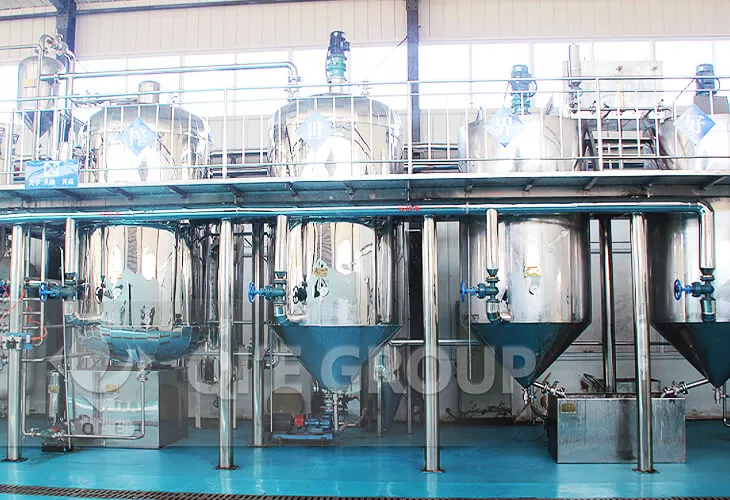
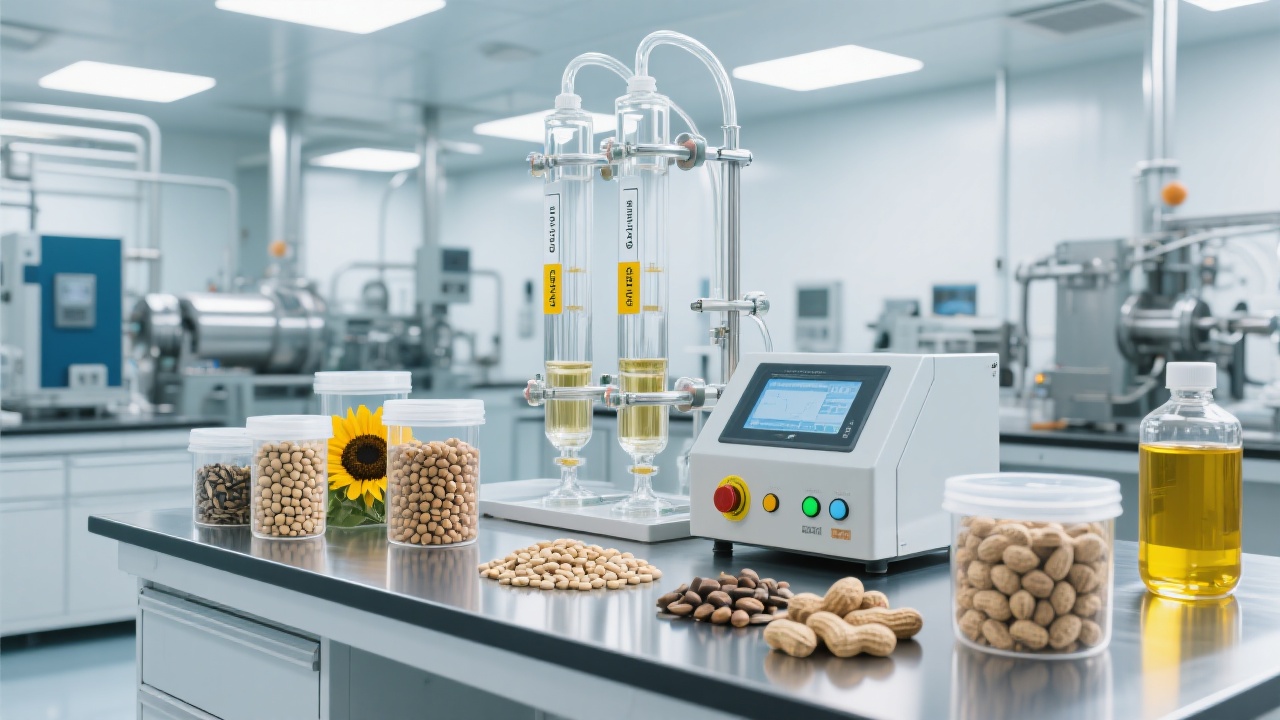
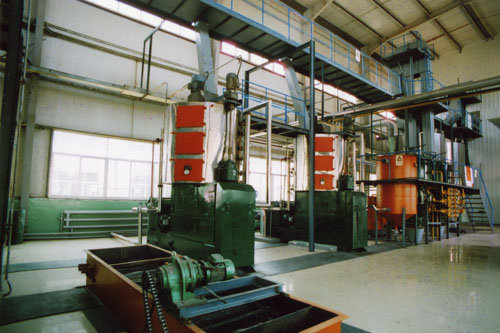
In recent years, cold-pressed sunflower seed oil has emerged as a new favorite in the high-end edible oil market. This article delves deep into how low-temperature pressing technology preserves the natural flavor and active nutritional components of oils under a mild condition below 60°C. We'll break down the entire process from raw material selection to low-temperature refining and compare the significant differences between cold-pressed and hot-pressed oils in terms of sensory characteristics, vitamin E, and unsaturated fatty acids.
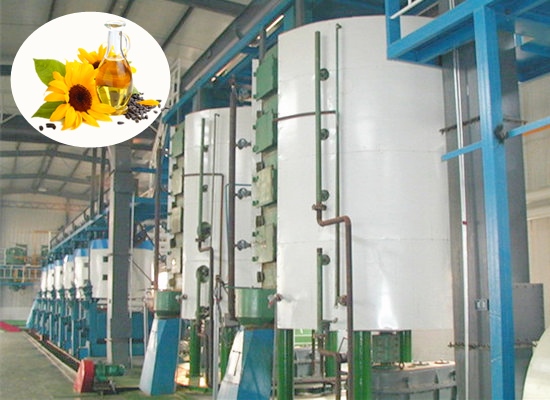
The cold-pressing process consists of several key steps: raw material selection, low-temperature crushing, gentle pressing, precise filtration, and low-temperature refining. Each step emphasizes the crucial role of temperature control in nutrient preservation. For example, during low-temperature crushing, keeping the temperature below a certain level (usually around 60°C) can prevent the degradation of heat-sensitive nutrients.

When it comes to sensory experience, cold-pressed oils generally have a more delicate aroma and a lighter color compared to hot-pressed oils. In terms of nutritional components, cold-pressed oils are richer in vitamin E, plant sterols, and polyphenols. According to a research report from [Research Institution Name], cold-pressed sunflower seed oil contains about 20% more vitamin E than hot-pressed ones. The following is a comparison table:
| Indicator | Cold-Pressed Oil | Hot-Pressed Oil |
|---|---|---|
| Vitamin E | High (about 20% more than hot-pressed) | Low |
| Plant Sterols | High | Low |
| Polyphenols | High | Low |
Processing at temperatures below 60°C can protect enzymes and antioxidants in the oil. Enzymes are essential for many biochemical reactions in the human body, and antioxidants can help prevent oxidative stress and chronic diseases. This meets consumers' demand for "genuine health" products.
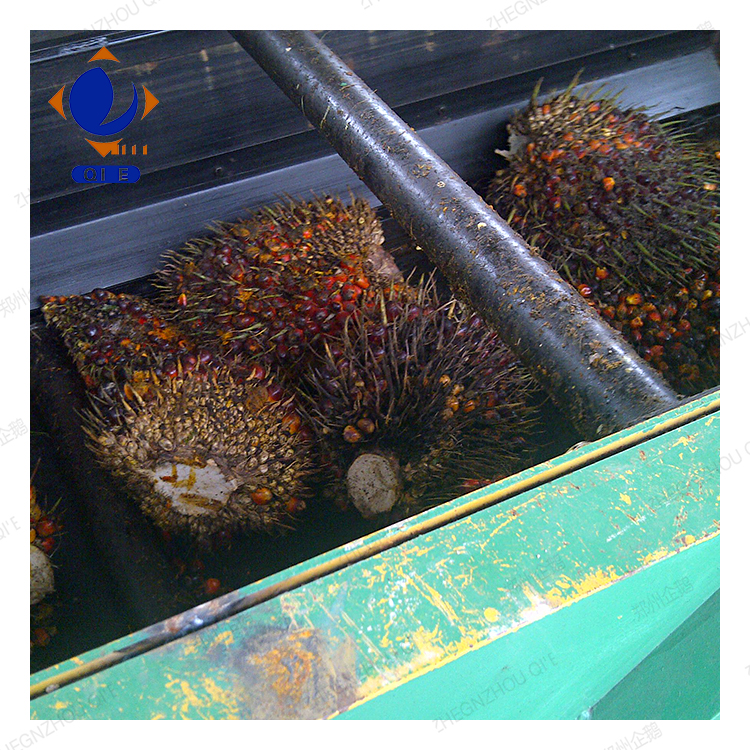
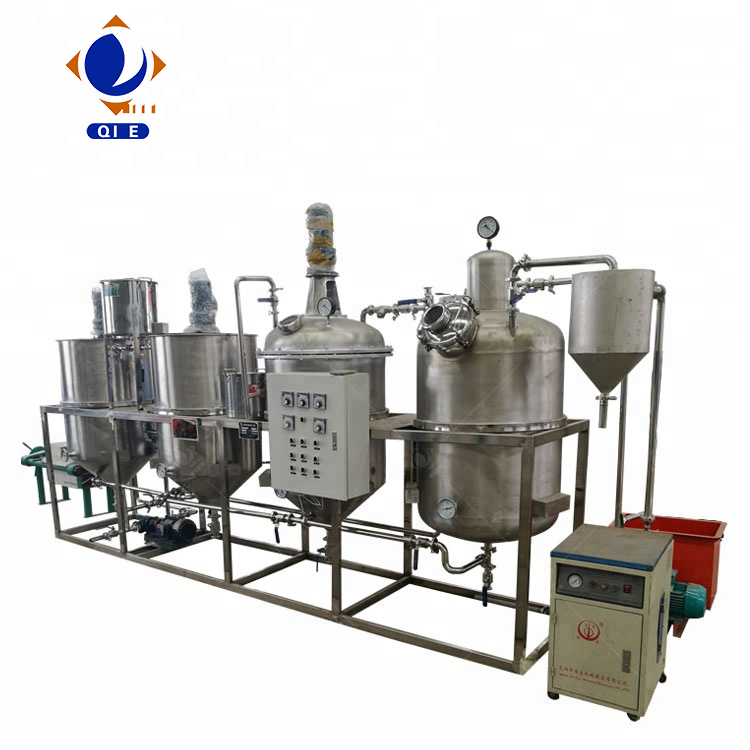
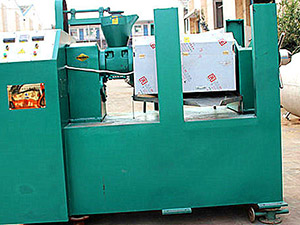
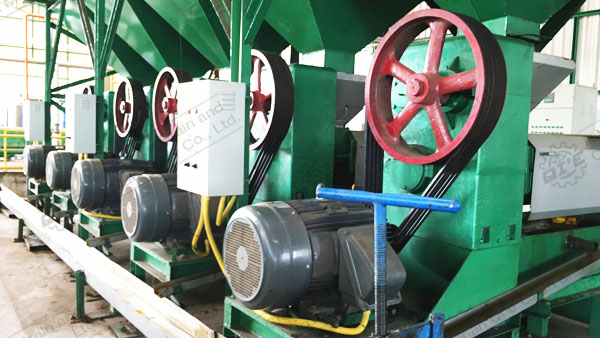
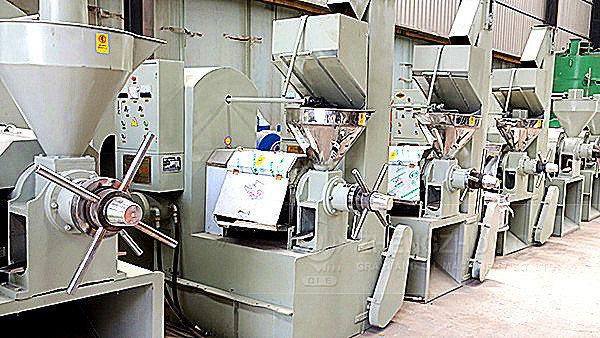
For small and medium-sized enterprises, the selection of equipment is crucial. For example, when choosing between a screw oil press and a high-efficiency cold press, factors such as production capacity, oil yield, and price need to be considered. Key quality detection indicators include acid value, peroxide value, and smoke point. Labels on the products must comply with national standards such as GB 2716.
Q: Is cold-pressed oil more expensive than hot-pressed oil?
A: Generally, cold-pressed oil is more expensive due to its higher production cost and better nutritional value.
Q: Can I use cold-pressed oil for frying?
A: Cold-pressed oil has a relatively low smoke point, so it is more suitable for salad dressing or low-temperature cooking.
Are you interested in learning more about cold-pressing technology and equipment? Download our Cold-Pressed Equipment Selection White Paper now! It provides in-depth insights and practical advice to help you make the right choice for your business.
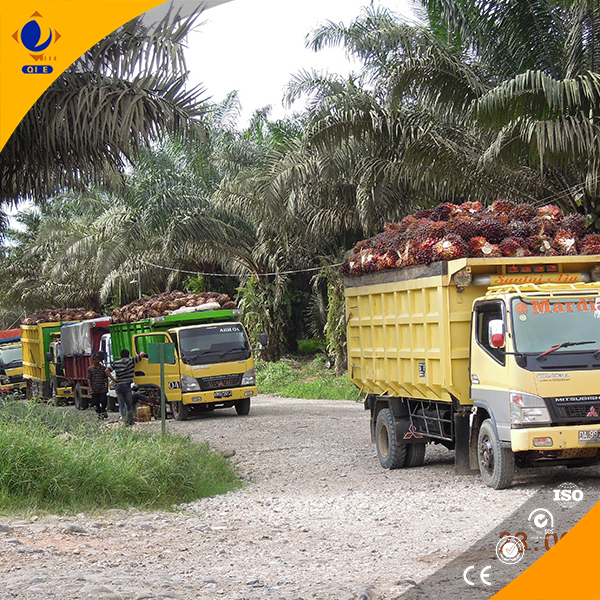
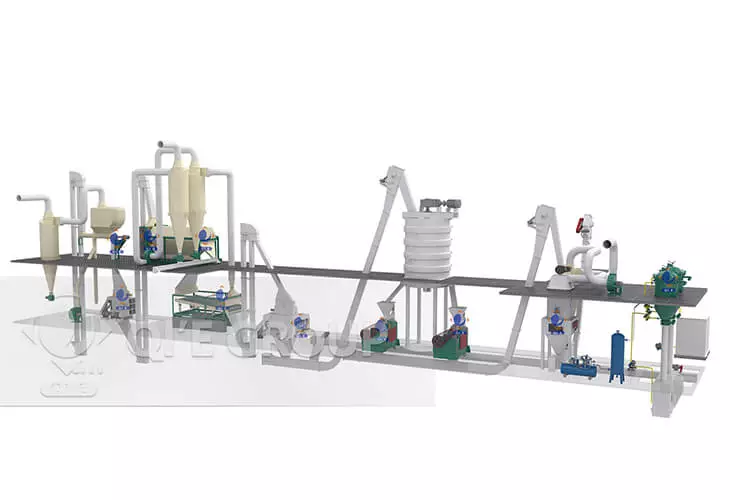
If you are looking for a customized cold-pressing production line solution, welcome to consult our professional team! We will work with you to create a unique and efficient production process to meet your specific needs and bring your high-end edible oil products to a new level.

 472
|
472
|
 mustard oil extraction techniques
equipment compatibility in oil processing
mustard oil production technology
mustard oil extraction techniques
equipment compatibility in oil processing
mustard oil production technology
 385
|
walnut oil extraction
oil yield improvement
extraction technology
385
|
walnut oil extraction
oil yield improvement
extraction technology
 246
|
cold pressed sunflower oil production
low temperature expeller pressing
premium edible oil processing
cold press oil nutrition
sunflower oil extraction machinery
246
|
cold pressed sunflower oil production
low temperature expeller pressing
premium edible oil processing
cold press oil nutrition
sunflower oil extraction machinery
 103
|
Oil extraction efficiency
Optimize your device
Raw material selection
Process Improvement
103
|
Oil extraction efficiency
Optimize your device
Raw material selection
Process Improvement
 131
|
Peanut oil extraction machinery
Oil Pressing Machinery
South American Market
131
|
Peanut oil extraction machinery
Oil Pressing Machinery
South American Market






.jpg?x-oss-process=image/resize,m_fill,h_300,w_300/format,webp)