
The drive for sustainable and efficient extraction techniques in the edible oil sector has spotlighted supercritical CO₂ extraction as a promising alternative to conventional methods such as hydraulic pressing and solvent extraction. This article provides an in-depth technical and economic comparison, focusing on sesame oil production, to assist industry professionals in making data-driven decisions for quality improvement and sustainability.
Supercritical CO₂ extraction harnesses carbon dioxide above its critical temperature (31.1°C) and pressure (73.8 bar), transforming it into a supercritical fluid with unique solvent properties that enable selective extraction of oil constituents without thermal degradation. This results in a high-purity, fresh-tasting sesame oil rich in natural antioxidants and bioactive compounds.
The process parameters such as pressure (typically 200–400 bar) and temperature (40–60°C) critically influence extraction yield and oil composition. Optimizing these parameters achieves extraction efficiencies upward of 90%, surpassing many conventional processes, while preserving volatile compounds that contribute to flavor and nutritional value.
Traditional sesame oil production relies primarily on mechanical pressing—either hydraulic or screw presses—and solvent extraction using hexane or other organic solvents.

| Criteria | Supercritical CO₂ Extraction | Hydraulic Pressing | Solvent Extraction |
|---|---|---|---|
| Oil Yield (%) | ~45-50% | 35-45% | 50-55% |
| Oil Quality (Flavour & Nutrients) | High retention of antioxidants | Moderate degradation due to heat | May require refining to remove residues |
| Environmental Impact | Minimal waste, no organic solvents | Low emissions, but energy intensive | High solvent use, potential pollution |
| Operational Cost | Higher initial capex; lower OPEX due to reduced refining | Lower capex; moderate OPEX | Moderate capex; higher OPEX |
While supercritical CO₂ extraction requires significant upfront investment, the operational predictability and reduction in post-processing yield long-term cost savings and better product consistency. Its solvent-free nature aligns with stringent environmental standards increasingly demanded by international buyers, lowering environmental compliance costs.
In contrast, solvent extraction methods often incur costs related to solvent recovery and emissions controls, while mechanical pressing may suffer from lower yields and inconsistent oil quality, limiting upscale market access. Adopting supercritical CO₂ technology can therefore be a strategic move for manufacturers targeting premium, health-conscious, and eco-aware segments.
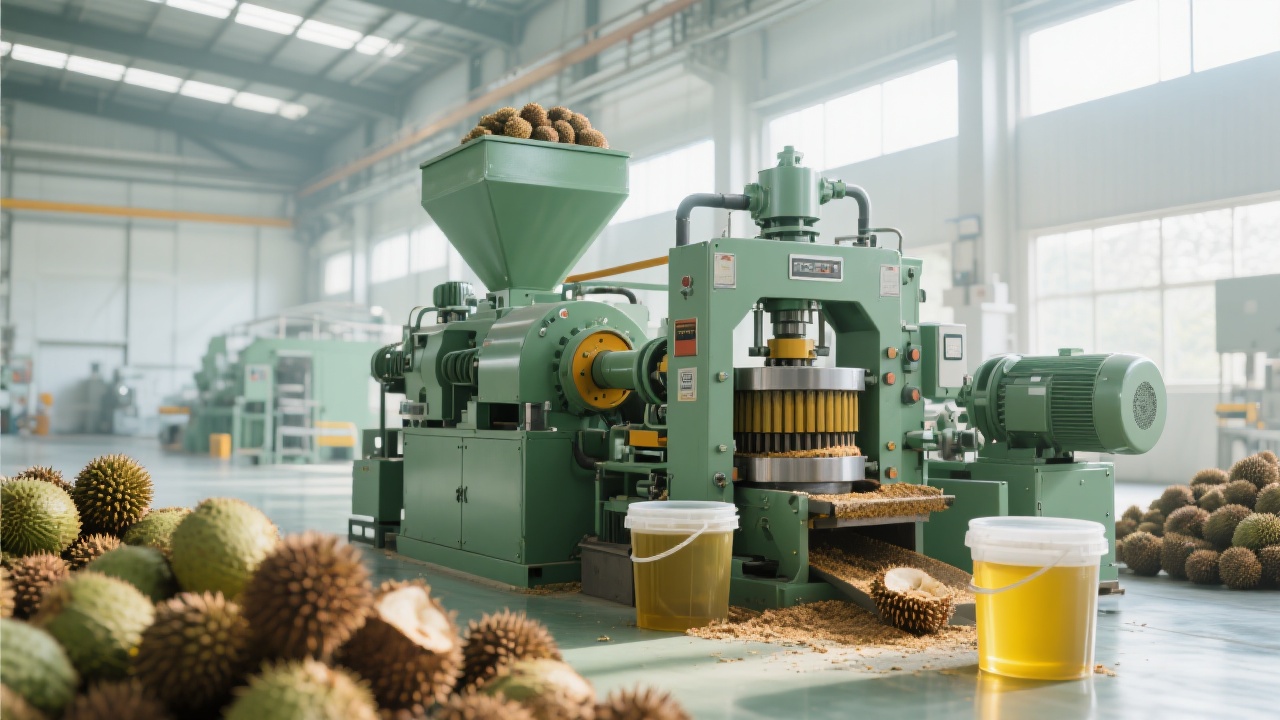
Recent commercial deployments of supercritical CO₂ extraction in sesame oil production have demonstrated yield improvements up to 8% compared to cold pressing, alongside a 20% increase in antioxidant preservation, validated by lab analyses.
Market demand for cold-pressed and organic oils with clean labels is projected to grow annually by 7-9% globally, as consumers increasingly favor products with lower chemical processing footprints. This trend incentivizes investors and producers to incorporate green extraction technologies to maintain competitiveness.
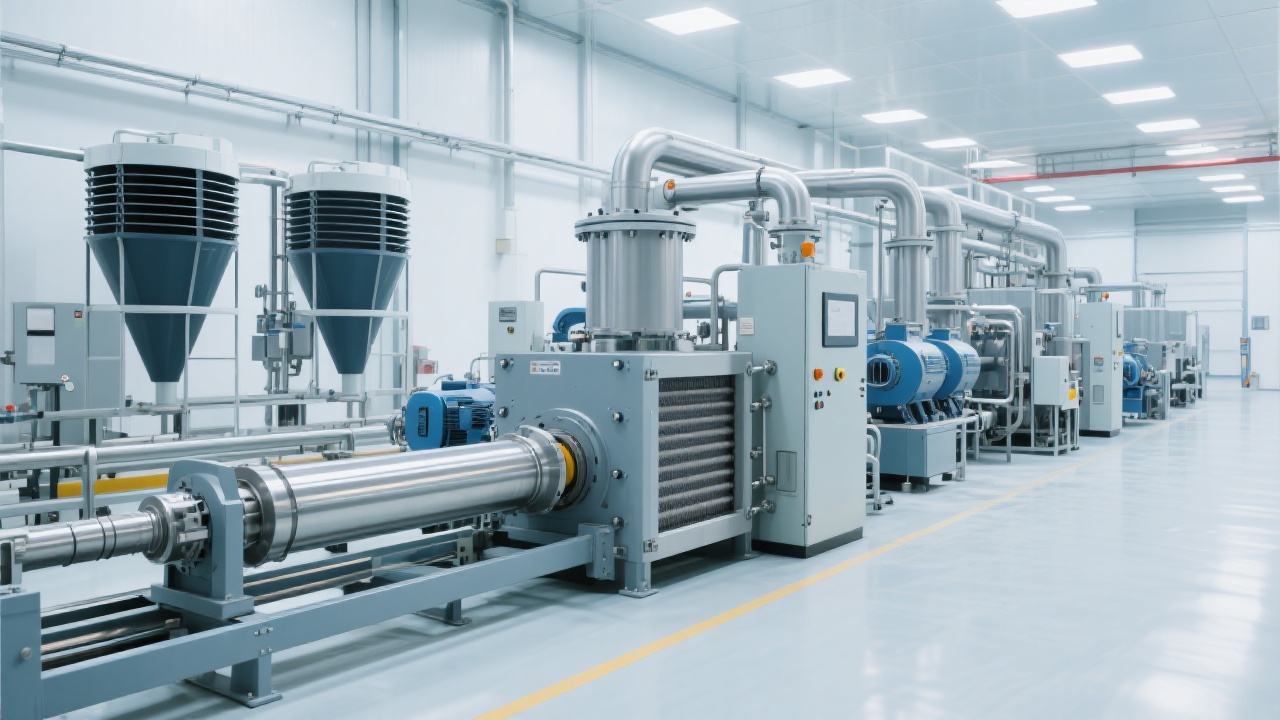
Myth 1: “Supercritical CO₂ extraction is prohibitively expensive.”
While initial capital costs are higher than traditional presses, operational savings, premium pricing potential, and lower environmental penalties often offset these investments within 3-5 years.
Myth 2: “CO₂ extraction lowers yield compared to solvent methods.”
Optimized parameters achieve comparable if not slightly higher recoveries without solvent contamination risks.
Curious how supercritical CO₂ extraction could transform your sesame oil production line?
Enter your current annual production volume and preferred quality parameters, and explore customized feasibility scenarios with our online tool.
(Tool availability subject to official website access)
Discover Detailed Insights on Supercritical CO₂ Extraction Technology in Our Whitepaper