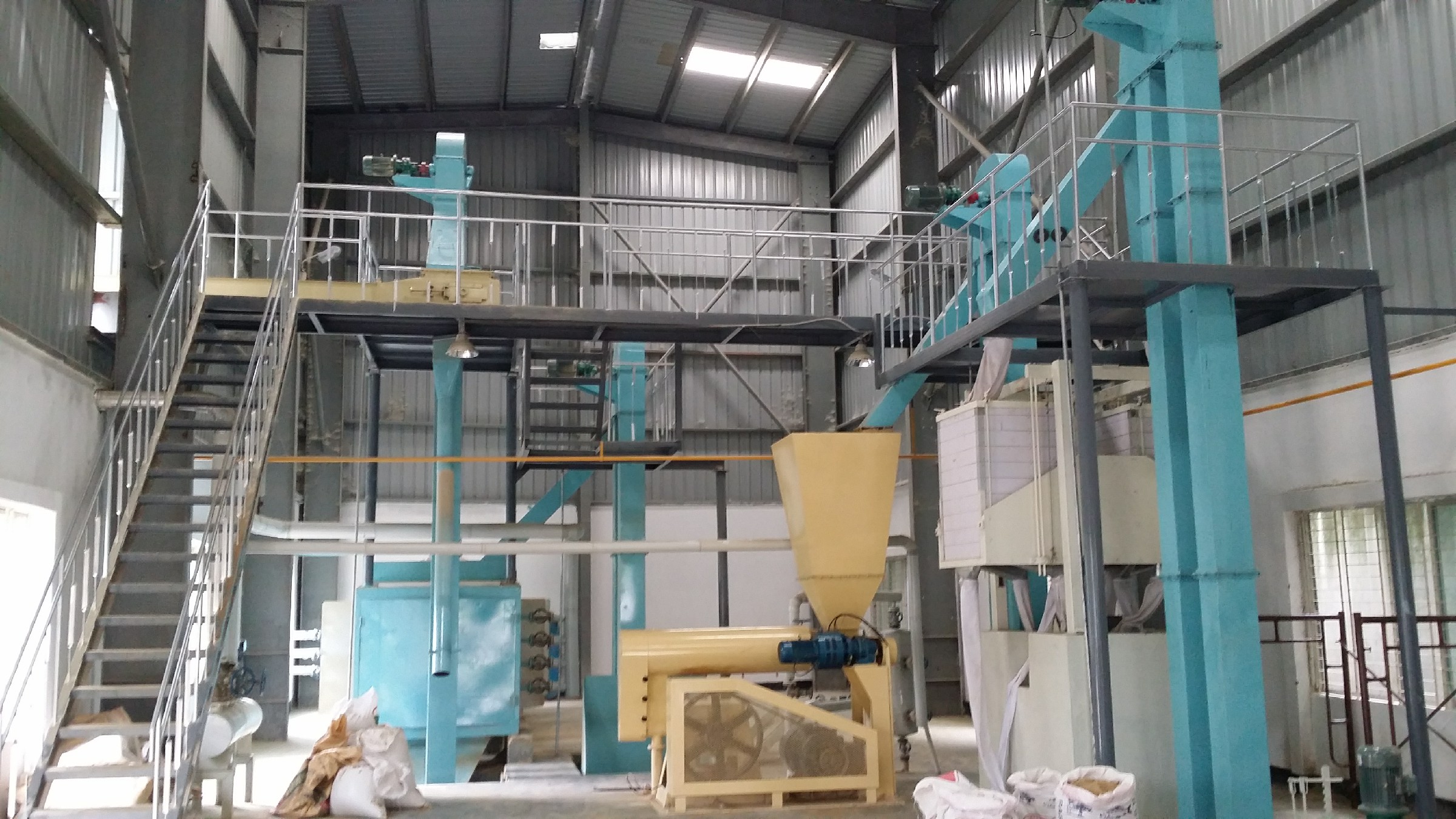
Qi'e Grain and Oil Machinery Co., Ltd. provides integrated oil processing equipment solutions for processors planning or upgrading edible oil production. From oilseed receiving and cleaning through pressing, solvent extraction, refining, filtration, storage and packaging, each process section can be considered as part of a practical production-line plan.
Our solutions are developed around the oilseed type, required processing capacity, product positioning, site conditions and investment scope. For applications such as mustard seed oil extraction, the process route may be configured for cold pressing, hot pressing or solvent extraction, with downstream treatment selected according to operational and product-quality requirements.
An edible oil plant is not defined by one machine alone. Stable production depends on the connection between raw-material preparation, oil extraction, oil clarification and subsequent refining or packaging. Qi'e Grain and Oil Machinery Co., Ltd. supports processors in evaluating these sections as an integrated system, helping establish a clearer basis for equipment selection and production planning.
| Processing Section | Typical Equipment | Primary Purpose |
|---|---|---|
| Raw material cleaning | Seed cleaning equipment | Remove impurities before oilseed processing. |
| Conditioning and pressing | Cooking kettle, oil press, screw press | Prepare oilseeds and mechanically extract crude oil. |
| Solvent extraction | Solvent extraction equipment | Extract oil through a dedicated solvent-based process where appropriate. |
| Clarification and filtration | Plate filter press or pressure leaf filter | Remove suspended solids and improve oil clarity. |
| Edible oil refining | Edible oil refining equipment | Support further treatment of crude oil according to the selected refining process. |
| Storage and packaging | Oil storage tanks, filling and packaging equipment | Store finished or intermediate oil and prepare it for distribution. |
Mustard oil extraction starts with properly cleaned mustard seeds and can follow different process routes. The preferred method should be assessed in relation to the target oil characteristics, expected throughput, operating conditions and overall plant plan.
Seeds are cleaned and pressed at a lower temperature. This route is commonly considered where retention of the oil’s natural flavor, nutritional components and characteristic pungency is important. Compared with other methods, oil yield may be lower.
Seeds are cleaned, heated or cooked, and then pressed. Heat treatment can support faster extraction and higher oil yield, while the resulting oil characteristics may differ from those of cold-pressed oil.
A solvent-based process can achieve a high extraction rate, but it requires a more complex system and controlled handling for solvent removal. It should be planned with suitable safety, environmental and process-compliance considerations.
Whether the project is a small oil mill, a dedicated mustard oil extraction plant or a broader edible oil processing facility, a reliable preliminary plan begins with clear operating inputs.
Qi'e Grain and Oil Machinery Co., Ltd. serves grain and oil processing businesses with equipment for oil pressing, oil production lines and edible oil refining. Rather than treating pressing, extraction and refining as isolated decisions, the company helps customers align equipment sections with their selected oilseed, production objectives and plant conditions.
For mustard seed oil projects and other oilseed applications, the starting point is a practical discussion of process requirements: material condition, planned capacity, extraction method, required oil treatment and the degree of automation needed. This creates a more coherent foundation for line layout, equipment configuration, installation planning and technical service.
A complete oil processing solution connects the journey from cleaned oilseeds to handled finished oil. Clear process planning helps processors evaluate pressing, solvent extraction, edible oil refining, filtration, storage and packaging as coordinated parts of one production system.

 72
|
 supercritical CO2 extraction walnut oil low-temperature walnut oil processing solvent-free walnut oil extraction supercritical CO2 extraction equipment high-purity walnut oil production
 489
|
rice bran residue pelletization biomass pellet fuel agricultural waste energy utilization molding process optimization high calorific value pellet fuel
355
|
supercritical CO2 extraction walnut oil extraction low temperature preservation green oil extraction high-end edible oil technology
 478
|
Qi'e Grain and Oil Machinery Co., Ltd. automated production line grain and oil processing capacity improvement standardized management
 47
|
mustard seed oil refining process degumming technology deacidification process edible oil refining equipment