Don't blindly buy equipment! Choosing the right one is the key to saving money and effort. Your sesame oil quality is poor? Maybe it's not the raw material problem, but the wrong equipment selection!
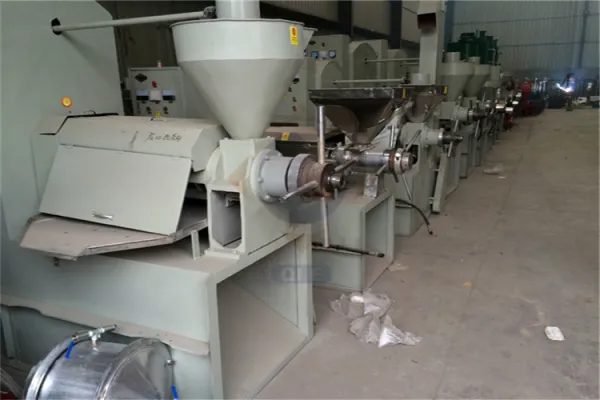
When it comes to extracting sesame oil, two types of machines stand out: hydraulic oil presses and screw oil presses. Each has its unique advantages, and understanding their differences is crucial for making the right choice. Let's start by looking at their basic structures and working principles.
Think of a hydraulic oil press like a gentle hand squeezing out the oil. It uses hydraulic pressure to press the sesame seeds. The process is carried out at a relatively low temperature, which helps to preserve the natural flavor and nutrients of the sesame oil. On the other hand, a screw oil press is like a continuous conveyor belt. It uses a rotating screw to crush and press the seeds, allowing for continuous operation.
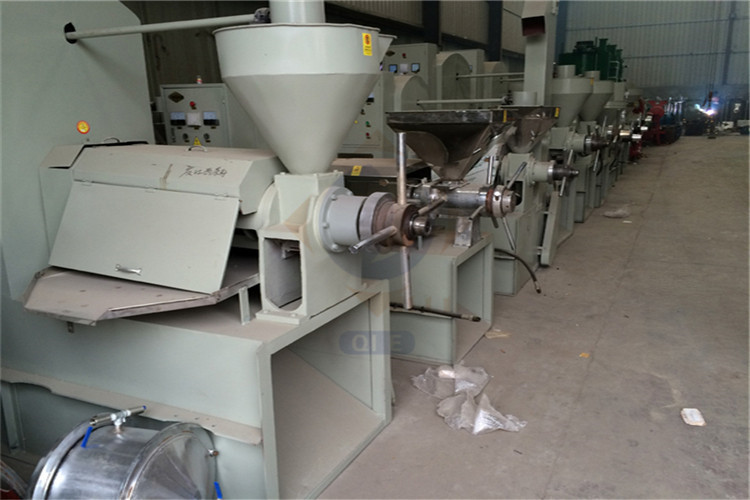
Now, let's compare the core parameters of these two types of oil presses:
| Parameters | Hydraulic Oil Press | Screw Oil Press |
|---|---|---|
| Temperature Control | Low - temperature pressing (below 60°C), which helps to keep the oil pure and fragrant. | Higher temperature during pressing (around 100 - 120°C), which may affect the oil quality slightly. |
| Capacity | Small - batch production, usually suitable for producing 50 - 200 kg of oil per day. | High - capacity, can produce 500 - 5000 kg of oil per day, suitable for large - scale processing. |
| Energy Consumption | Relatively low energy consumption, about 1 - 2 kWh per 100 kg of oil. | Higher energy consumption, about 3 - 5 kWh per 100 kg of oil. |
| Operation Complexity | Simple operation, suitable for beginners. However, it requires more manual intervention. | More complex operation, but with automated features for large - scale production. |
Let's look at different customer profiles and which oil press is more suitable for them:
If you are running a family workshop, a hydraulic oil press is your best choice. Its low - temperature pressing ensures high - quality oil, and the small - batch production capacity is just right for your needs. You can produce high - end, pure sesame oil for your local market.
For small and medium - sized oil mills, you need to balance between quality and quantity. A screw oil press might be a better option if you have a relatively large demand. It can meet your daily production requirements while maintaining a reasonable level of oil quality.
Industrial - scale producers definitely need a screw oil press. Its high - capacity and continuous operation features are essential for large - scale processing. You can achieve high - volume production with relatively high efficiency.
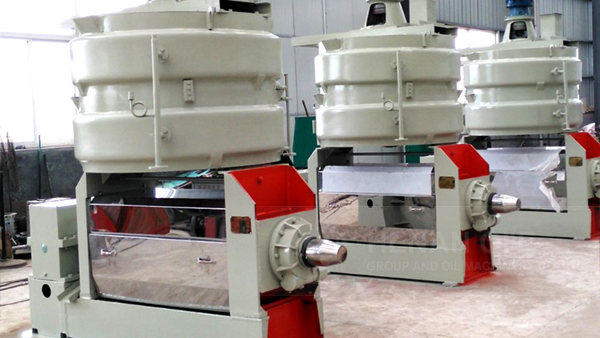
Here are some maintenance tips for both types of oil presses:
Hydraulic Oil Press: Regularly check the hydraulic oil level and replace it every 6 - 12 months. Keep the pressing chamber clean to avoid blockages.
Screw Oil Press: Lubricate the screw regularly and check the wear of the screw and pressing chamber. Clean the machine after each use to prevent residue accumulation.
To optimize the oil yield, you can pre - heat the sesame seeds properly and adjust the pressing parameters according to the type of seeds.
Let's look at some real - life cases. A small family workshop initially chose a screw oil press, but they found that the oil quality was not up to their expectations. After switching to a hydraulic oil press, the oil quality improved significantly, and they were able to sell their oil at a higher price. On the other hand, an industrial - scale producer initially used a hydraulic oil press, which led to low production efficiency. After switching to a screw oil press, their production capacity increased by more than 50%.
.jpg)
Don't let the wrong equipment choice affect your sesame oil production. Click here to get more information on choosing the right oil press for your needs and start improving your sesame oil production today!