Cottonseed Oil Plant Conveyor Selection Guide: Belt vs. Screw Conveyor Configuration by Operating Conditions
2026-03-03
QI ' E Group
Tutorial Guide
In a cottonseed oil production line, conveyor and storage equipment selection directly determines throughput, uptime, and product consistency. This guide explains how to configure belt conveyors and screw conveyors based on real operating conditions—material behavior, capacity targets, conveying distance, elevation, and environmental factors such as humidity, temperature, and dust. Key engineering considerations are covered, including wear-resistant belt options, corrosion-resistant construction materials, sealing strategies for dust control, and anti-blocking structures for sticky or caking solids. The article also outlines design and maintenance priorities for storage bins and oil tanks—cleanliness management, moisture prevention, temperature control, and oxidation protection—to safeguard oil quality. A practical factory case highlights how improper conveying design led to unplanned shutdowns and how a revised layout improved continuous operation. End with a clear, actionable checklist to support planning, procurement, and daily maintenance—and to reduce failures while keeping the line running steadily. Contact us to get a tailored conveyor configuration plan for your cottonseed oil project.
Selecting Conveying Equipment for a Cottonseed Oil Production Line: How to Optimize Belt & Screw Conveyor Configuration by Operating Conditions
In cottonseed oil plants, conveying and storage are not “supporting roles”—they are the backbone of stable throughput. A well-sized press can still underperform if the feed system bridges, dust leaks into bearings, or oilseed meal sticks inside a hot screw. This guide explains how belt conveyors and screw conveyors should be selected and configured under different plant conditions, with practical design details (materials, sealing, anti-blocking) and storage management points that protect oil quality.
1) Why Conveying Is a “Hidden KPI” in Cottonseed Oil Processing
A typical cottonseed oil process includes receiving & cleaning, dehulling/decortication, conditioning, pressing (or pre-press + extraction), meal handling, and oil clarification/storage. Conveying touches each step, which means a small design mistake gets multiplied across the whole line.
Common pain points seen on-site
Bridging and inconsistent feeding to conditioners or presses
Dust escape causing housekeeping and bearing contamination
High maintenance due to abrasive hulls and meal fines
Blockage in screws when material is warm, wet, or cohesive
Unplanned downtime triggered by one “small” conveyor
What good selection improves (typical targets)
Reduced nuisance stoppages by 20–40% after sealing + anti-blocking upgrades
Lower dust around transfer points by 50–80% with proper covers and flexible seals
Longer wear part life by 1.5–2.5× using abrasion-resistant belts/liners
More stable press feeding, often improving oil line continuity during shift changes
2) Belt Conveyor vs. Screw Conveyor: When Each One Wins
There is no universal “best” conveyor. In cottonseed oil plants, the best option depends on material state (seed vs. hull vs. meal), moisture, temperature, dust requirement, layout, and cleaning expectations.
Selection factor
Belt conveyor (covered)
Screw conveyor
Typical best use
Long distance, higher capacity transfer; gentle handling of cottonseed
Short/medium distance; controlled dosing; enclosed dust-sensitive areas
Dust containment
Good with covers + sealed transfer points
Very good (fully enclosed), if seals are correctly designed
Handling warm/wet, cohesive meal
Often more forgiving; less compaction
Risk of packing/blocking; needs anti-build-up design
Maintenance pattern
Belt tracking/tension, idlers, skirt rubber
Hanger bearings, seals, flight wear, end thrust
Energy & heat generation
Usually lower friction heat
Higher friction; can warm cohesive materials further
Many high-availability plants use a hybrid approach: belts for main transfer and elevation, screws for controlled feeding, enclosed dust zones, and short discharge runs into bins or presses.
3) Material & Surface Choices That Decide Service Life
Cottonseed processing brings abrasion (hulls), fines, and occasional moisture. Material selection should match both corrosion risk and wear mechanisms—not just “use stainless everywhere.”
Belt conveyors: belt, liners, and chute interfaces
For cottonseed and meal, abrasion-resistant belts (common grades equivalent to DIN Y / DIN X or similar) typically provide a better lifecycle cost than basic general-purpose belts. At transfer points, wear is often driven by impact and sliding friction.
Wear liners: UHMW-PE or AR steel liners in high-impact zones
Skirt rubber: dual-seal skirts to reduce dust while limiting belt drag
Fasteners/splices: choose based on cleaning, downtime window, and belt thickness
Screw conveyors: flights, trough, and anti-stick options
In oil plants, screws see both abrasion and build-up. Carbon steel is common for structure, while contact surfaces may require upgraded solutions depending on moisture and temperature.
Stainless steel (304/316): preferred in areas with frequent washdown or higher corrosion risk
Hardfacing or wear strips: for abrasive hull/meal sections
Surface finish: smoother internal surfaces help reduce adhesion of warm meal
4) Sealing, Dust Control, and Anti-Blocking: The Details That Prevent Downtime
Most stoppages come from predictable mechanisms: dust ingress into bearings, air leaks at transfer points, and compaction inside screws. Designing for clean containment and stable flow is often the fastest ROI in a retrofit.
Sealing checklist (practical)
Covered belts: sealed covers + inspection doors; seal at loading and discharge
Transfer points: flexible skirting + proper chute angles to reduce turbulence
Screws: end seals sized for dust; avoid over-tight seals that overheat
Bearings: isolate from dust with labyrinth seals where possible
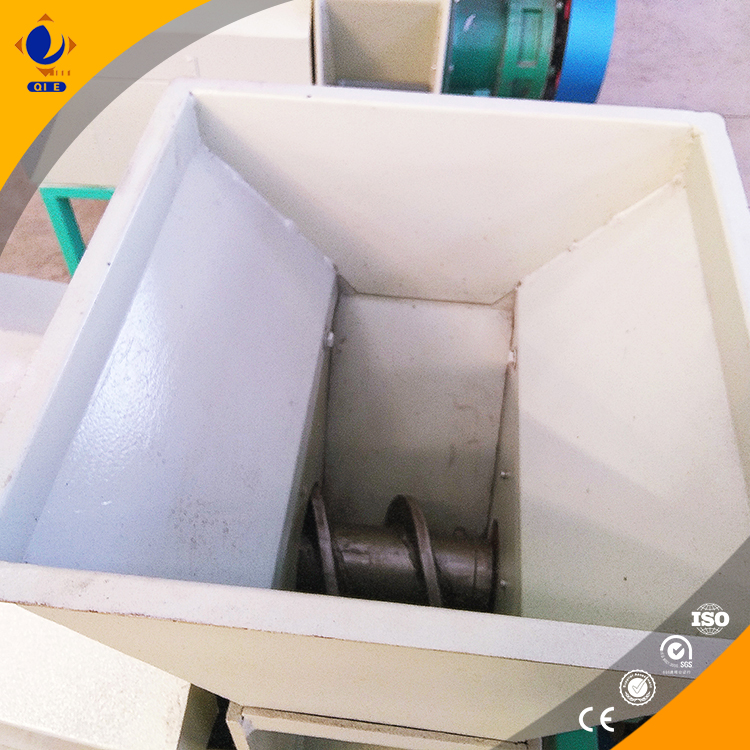
Anti-blocking design options for screws
Warm, slightly wet meal tends to compact—especially when the screw is oversized, overfilled, or operated with frequent start/stop cycles.
Lower fill ratio: design with conservative loading to reduce packing
Variable speed: stabilize flow into presses/conditioners
Clean-out ports: fast access where blockage is most likely
Proper incline limits: steep inclines increase fallback and compaction risk
5) Configuration by Operating Condition: What to Choose and Why
The same conveyor model can perform perfectly in one plant and fail weekly in another. Below are practical selection cues based on real operating conditions commonly found in cottonseed oil lines.
Operating condition
Typical risk
Preferred approach
Design notes
High humidity / rainy season receiving
Clumping, stickiness, transfer build-up
Covered belt for main transfer + short enclosed screw only where needed
Use easy-clean chutes; avoid long screws at high loading
Hot meal discharge after pressing/conditioning
Packing/blocking in screw, accelerated wear
Belt where layout allows; if screw is required, use anti-stick + clean-outs
Stabilize feed rate; reduce start/stop; consider variable speed
Dust-sensitive indoor sections
Housekeeping, safety, contamination
Enclosed conveyors (sealed belt covers or screw)
Seal inspection doors; optimize transfer point sealing
Abrasive hull handling
Rapid wear of flights, troughs, belt edges
Wear-lined chutes; abrasion-grade belts; hardened screw contact zones
Place wear protection at impact and direction-change points
Space-constrained routing
Tight turns, frequent elevation changes
Combine short screws with compact elevator/covered belt where feasible
Keep maintenance access in layout (doors, pull-out sections)
6) Storage Bins & Oil Tanks: Cleanliness, Temperature Control, and Oxidation Prevention
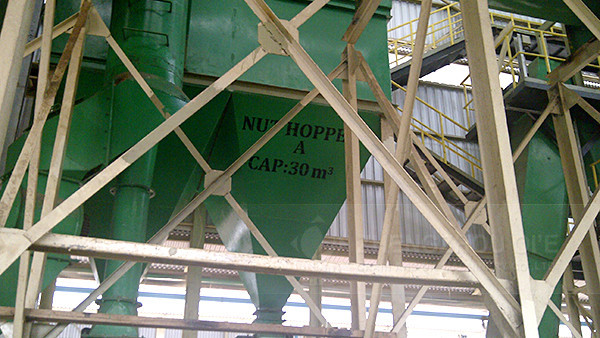
Conveying selection should be aligned with storage behavior. Poor bin discharge geometry or neglected tank hygiene can undo the benefits of a stable conveying system—especially when the goal is consistent oil quality.
Moisture control: prevent condensation and “wet corners” in seasonal changes
Cleaning access: inspection doors and safe access points to remove build-up
Oil storage tanks: protect quality
Refined or crude cottonseed oil quality can drift when tanks are not managed for temperature stability, cleanliness, and oxygen exposure.
Temperature stability: keep oil in a controlled range to avoid wax precipitation and pumping issues
Oxidation control: minimize air ingress; use proper sealing and venting strategy
Sanitation routine: remove residues/sludge; verify gaskets and manways after each cleaning
7) Field Lesson: A Large Cottonseed Oil Mill’s Downtime Was Caused by “Just One Conveyor”
One large mill experienced repeated production interruptions during peak season. The root cause was not the press, not the boiler, and not electrical supply—it was a screw conveyor located after a warm meal discharge point. The screw routinely packed and tripped the motor protection, causing a cascade stop across the line.
“We kept replacing motors and bearings, but the real issue was the conveying design. Once we adjusted the loading, improved sealing, and added clean-out access, the nuisance stops dropped dramatically.”
After optimization (conservative loading, improved clean-out strategy, and better dust isolation near bearings), the plant reported noticeably smoother operation and fewer shift-level interruptions—exactly the kind of reliability gain that rarely shows up in equipment brochures but matters daily on the floor.
8) Daily Maintenance Checklist to Keep Availability High
Even the best conveyor selection needs disciplined routine checks. A short, consistent checklist typically outperforms occasional “big overhauls.”
Quick checks (10–20 minutes per shift)
Belts: tracking, unusual noise, skirt wear, carryback at discharge
Screws: vibration changes, seal temperature, abnormal current draw
Transfer points: dust leakage, build-up inside chutes, fastener loosening
Bearings: heat signs, grease condition, dust accumulation around housings
Weekly / monthly verification
Alignment & tension: verify belt tension and pulley alignment
Wear measurement: flights/liners thickness checks in high-abrasion zones
Cleaning & access: confirm clean-out ports and inspection doors open smoothly
Need a Conveyor Layout That Actually Matches Your Cottonseed Oil Process?
Get a tailored recommendation for belt vs. screw configuration, sealing & dust-control details, anti-blocking measures for your material condition, and storage integration—based on your capacity, layout, and operating environment.