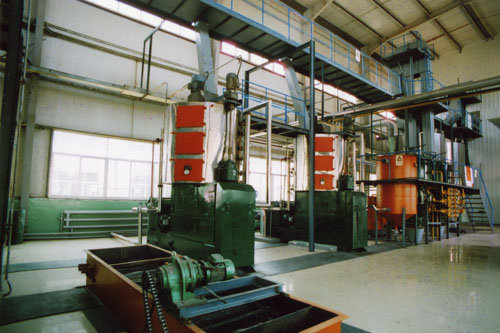
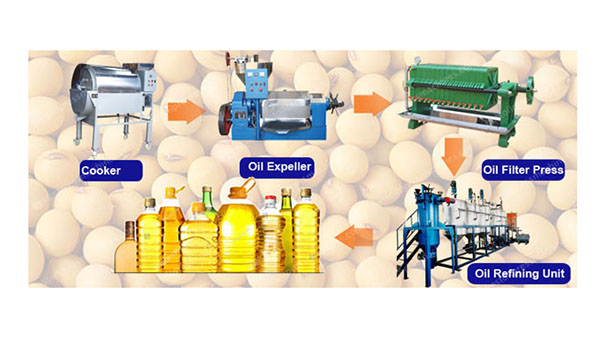
In the competitive landscape of cottonseed oil processing, where operational efficiency directly impacts profitability, selecting the right conveying equipment isn't merely a purchasing decision—it's a strategic investment in your production ecosystem. With over 15 years of engineering experience across 40+ countries, we've witnessed how improper conveyor selection can lead to 22% higher maintenance costs and 18% production downtime annually. This guide cuts through the technical complexity to provide actionable insights for optimizing your material handling system.
The heart of any cottonseed oil extraction line lies in its material handling system. Two technologies dominate this space, each with distinct advantages depending on your specific processing conditions:
Ideal for horizontal or slightly inclined (up to 18°) transportation of whole cottonseeds and pressed cake, belt conveyors excel in high-volume applications requiring gentle material handling. Our engineering data shows that properly specified belt systems can achieve capacities up to 150 tons per hour while maintaining seed integrity—a critical factor for oil yield optimization.
Key Considerations for Belt Conveyor Selection:
When dealing with semi-fluid materials like cottonseed meal or oil-rich press cake, screw conveyors provide the enclosed, controlled transport essential for maintaining product quality. Our installations in Southeast Asian processing facilities have demonstrated that properly designed screw conveyors reduce cross-contamination risks by 47% compared to open systems.
The critical design parameters include flight pitch (typically 0.8-1.2 times the screw diameter), rotational speed (30-60 RPM for oilseed applications), and material selection. For abrasive cottonseed products, we recommend 316 stainless steel construction with hardened flight edges, which extends service life by 3-5 years compared to standard carbon steel.
| Conveyor Type | Best For | Capacity Range | Maintenance Interval |
|---|---|---|---|
| Belt Conveyor | Whole seeds, dry cake | 20-150 TPH | 2,000 operating hours |
| Screw Conveyor | Meal, wet cake, semi-fluid materials | 10-80 TPH | 1,500 operating hours |
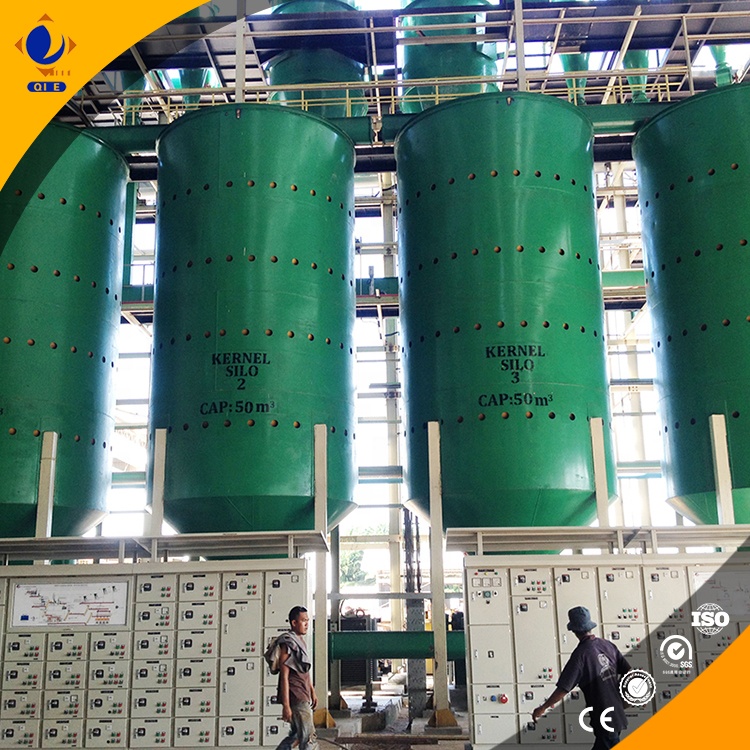
The transition from extraction to refining requires specialized storage solutions that maintain product integrity while enabling continuous processing. Improper storage accounts for approximately 12% of quality degradation in cottonseed oil processing, often due to temperature fluctuations and oxygen exposure.
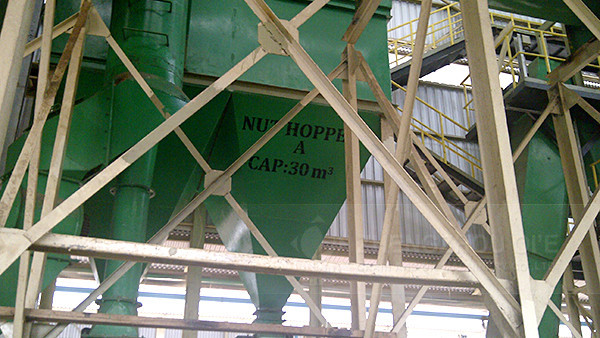
For raw seed storage, our engineering team recommends cone-bottom silos with 60° slope angles to ensure complete material discharge. In a recent installation for a 500 TPD facility in Brazil, we implemented a dual-bin system with load cells and level sensors that reduced material waste by 18% while improving batch consistency.
Key design elements include: aeration systems maintaining 12-14% moisture content, internal coating with food-grade epoxy, and dust collection systems that comply with OSHA standards for particulate matter (less than 5 mg/m³).
Finished oil storage demands precise environmental control. Our jacketed tank systems maintain temperatures within ±1°C of setpoint (typically 30-35°C for cottonseed oil), while nitrogen blanketing reduces oxygen levels below 0.5% to prevent rancidity. A recent project for a European processor documented a 40% extension in shelf life after implementing our advanced storage solutions.
A major processor in India was experiencing 16 hours of unplanned downtime monthly due to conveyor jams and material buildup. Our engineering team conducted a comprehensive system audit and implemented the following solutions:
"The system modifications paid for themselves within 8 months through improved uptime and reduced maintenance costs." — Plant Operations Manager, Gujarat Agro-Processors
Preventive maintenance is the cornerstone of reliable conveying systems. Our data from over 200 installations shows that facilities following structured maintenance programs achieve 35% longer equipment lifespan and 28% lower total cost of ownership.
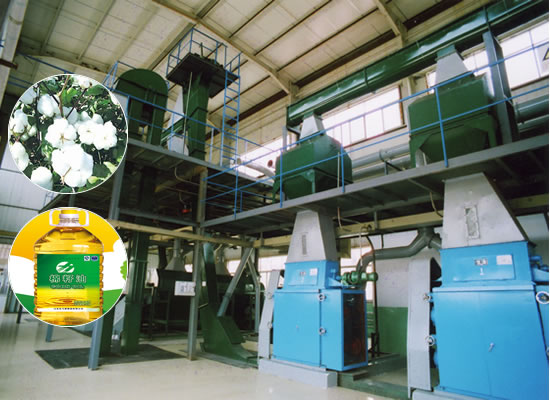
Critical maintenance tasks include weekly inspection of belt tension and alignment, monthly lubrication of drive components, and quarterly inspection of flight surfaces for wear. For facilities implementing Industry 4.0 technologies, our IoT-enabled monitoring systems provide real-time data on bearing temperatures, motor vibration, and material flow rates, enabling predictive maintenance that reduces unexpected failures by up to 76%.
Our team of process engineers specializes in designing custom conveying and storage solutions tailored to your specific production requirements. Whether upgrading existing equipment or building a new facility, we provide turnkey solutions that maximize efficiency while ensuring product quality.
Request a Free System AssessmentOur engineering team will contact you within 24 hours to discuss your project needs
In an industry where margins depend on extracting maximum value from every seed, the right conveying and storage systems aren't optional—they're essential for operational excellence. By combining proven engineering principles with advanced monitoring technologies, today's cottonseed processors can achieve unprecedented levels of efficiency, quality, and profitability.
Each processing facility presents unique challenges, from space constraints to specific product requirements. The key to success lies in partnering with engineering experts who understand both the technical complexities of material handling and the business imperatives of the oilseed processing industry.

 421
|
421
|
 product quality
environmental production
new standards
product quality
environmental production
new standards
 317
|
Sunflower oil pressing process
Physical pressing technology
Oil purity improvement
Sunflower oil extraction machinery
Press operation tutorial
317
|
Sunflower oil pressing process
Physical pressing technology
Oil purity improvement
Sunflower oil extraction machinery
Press operation tutorial
 44
|
Canola Oil Extraction Machinery
Canola Oil Extraction Equipment
Oil Extraction Machinery
44
|
Canola Oil Extraction Machinery
Canola Oil Extraction Equipment
Oil Extraction Machinery
 361
|
corn germ oil
high purity oil extraction
health benefits of corn oil
361
|
corn germ oil
high purity oil extraction
health benefits of corn oil
 257
|
palm oil refining equipment
efficient palm oil processing equipment
energy-saving eco-friendly palm oil machinery
257
|
palm oil refining equipment
efficient palm oil processing equipment
energy-saving eco-friendly palm oil machinery