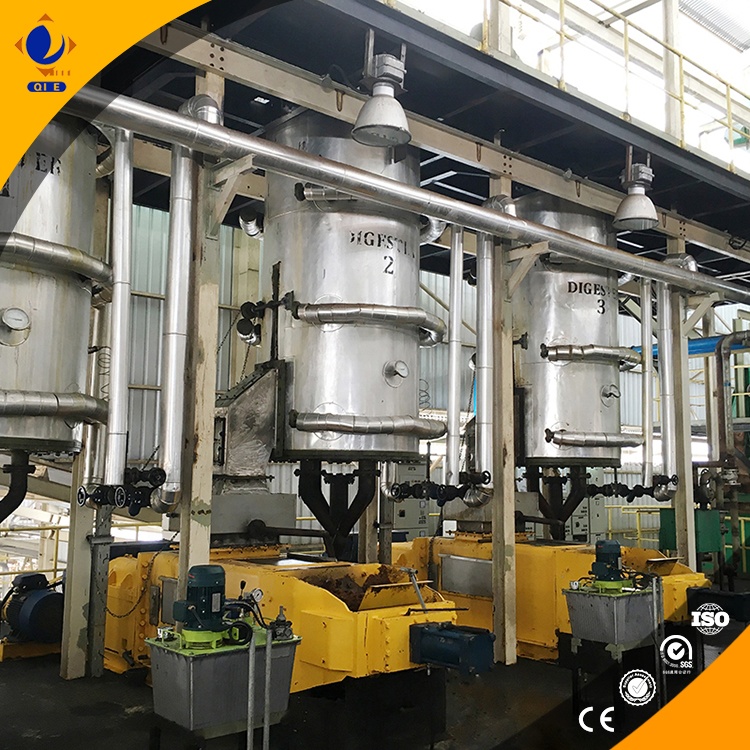
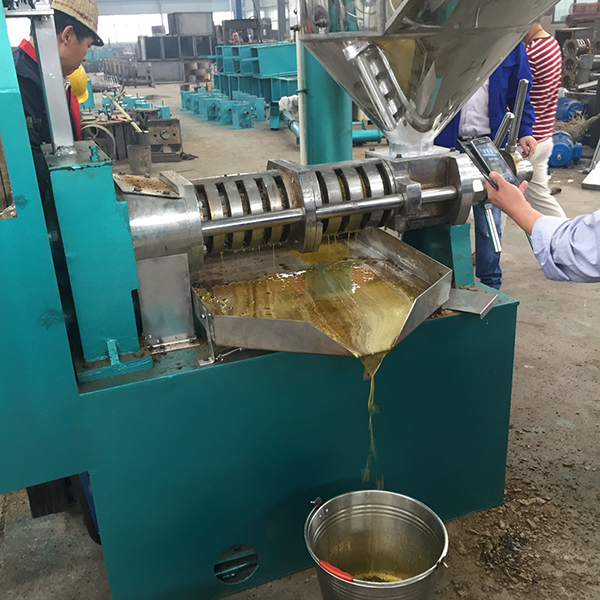
In the complex landscape of cottonseed oil processing, the efficiency of material handling directly impacts overall productivity and oil quality. According to industry data, an optimally designed conveying system can reduce production downtime by up to 35% and improve overall line efficiency by 22%. This guide explores the critical factors in selecting between belt conveyors and screw conveyors, providing actionable insights for cottonseed oil processors aiming to enhance operational performance.
The selection between belt and screw conveyors requires careful evaluation of specific production requirements. Each technology offers distinct advantages depending on material characteristics, processing stages, and facility constraints.
Belt conveyors excel in horizontal and moderately inclined applications, offering several key benefits:
However, belt conveyors require more horizontal space and may present challenges with dust containment. They are particularly well-suited for handling whole cottonseeds before processing and for transporting finished products.
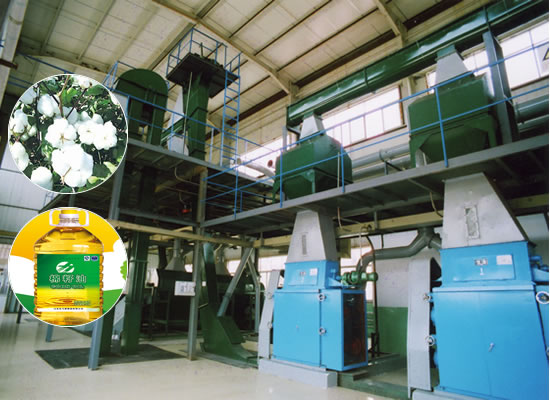
Screw conveyors provide unique advantages for specific processing scenarios:
Industry data indicates that properly designed screw conveyors can reduce cross-contamination incidents by up to 67% compared to open belt systems. However, they typically have higher maintenance requirements and can cause more material degradation if not correctly configured.
The choice of materials directly impacts equipment longevity and product quality. For cottonseed processing environments:
| Component | Recommended Material | Benefits |
|---|---|---|
| Conveyor Surfaces | 304 Stainless Steel | Corrosion resistance, easy cleaning |
| Screw Flight | Hardened Carbon Steel | Increased wear resistance (2-3x longer lifespan) |
| Bearings | Sealed, Food-Grade | Prevents contamination, reduces maintenance |
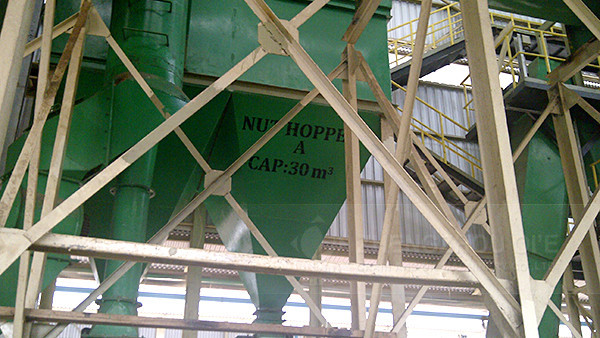
Effective conveying systems must work in harmony with storage components. Silo and tank design directly impacts conveying efficiency and product quality:
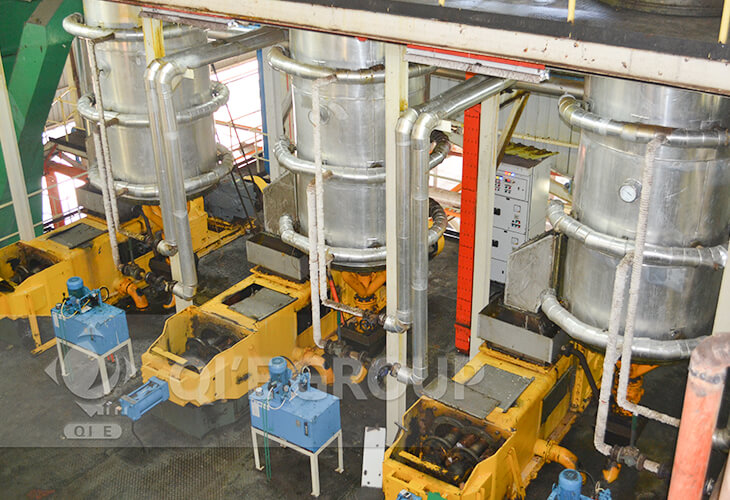
Proactive maintenance is essential for maximizing conveyor system uptime. Analysis of industry maintenance records shows that preventive maintenance programs reduce unplanned downtime by an average of 58%.
Even with proper maintenance, conveying systems may encounter specific challenges:
Our team of engineers specializes in designing customized conveying solutions that improve efficiency and reduce operational costs.
Get Your Personalized Conveyor System AssessmentBenefit from our 20+ years of experience in the oilseed processing industry
The selection between belt and screw conveyors is not merely a technical decision but a strategic one that impacts your entire operation. By carefully evaluating your specific processing needs, material characteristics, and facility constraints, you can implement a conveying system that enhances productivity while protecting product quality.
Remember that the most effective conveying solutions often combine different technologies at various stages of the production process. A well-designed integrated system will not only optimize material flow but also contribute significantly to the overall profitability of your cottonseed oil processing facility.
 216
|
216
|
 supercritical CO₂ sesame oil extraction
green oil extraction technology
supercritical CO₂ extraction equipment
sesame oil refining techniques
environmentally friendly oil processing
supercritical CO₂ sesame oil extraction
green oil extraction technology
supercritical CO₂ extraction equipment
sesame oil refining techniques
environmentally friendly oil processing
 377
|
industrial sesame oil extraction equipment
solvent extraction technology
hexane oil extraction
desolventizing process
safety and environmental measures
377
|
industrial sesame oil extraction equipment
solvent extraction technology
hexane oil extraction
desolventizing process
safety and environmental measures
 61
|
Palm Fruit Oil Extraction Machinery
Oil Extraction Machinery for Palm Oil
High-Efficiency Palm Oil Press
61
|
Palm Fruit Oil Extraction Machinery
Oil Extraction Machinery for Palm Oil
High-Efficiency Palm Oil Press
 422
|
Soybean Oil Extraction Machinery
Oil Extraction Machinery Soybean
Efficient Soybean Oil Extraction
Pressing Method Soybean Oil
Extraction Method Soybean Oil
Soybean Oil Refining Equipment
Soybean Oil Processing Solutions
Automated Soybean Oil Extraction
Versatile Soybean Oil Machinery
Industrial Soybean Oil Productions
422
|
Soybean Oil Extraction Machinery
Oil Extraction Machinery Soybean
Efficient Soybean Oil Extraction
Pressing Method Soybean Oil
Extraction Method Soybean Oil
Soybean Oil Refining Equipment
Soybean Oil Processing Solutions
Automated Soybean Oil Extraction
Versatile Soybean Oil Machinery
Industrial Soybean Oil Productions
 265
|
palm kernel oil purification
centrifugal separation technology
oil - water separation
types of centrifuges
solution to emulsification problems
265
|
palm kernel oil purification
centrifugal separation technology
oil - water separation
types of centrifuges
solution to emulsification problems






.jpg?x-oss-process=image/resize,m_fill,h_300,w_300/format,webp)
.jpg?x-oss-process=image/resize,m_fill,h_300,w_300/format,webp)