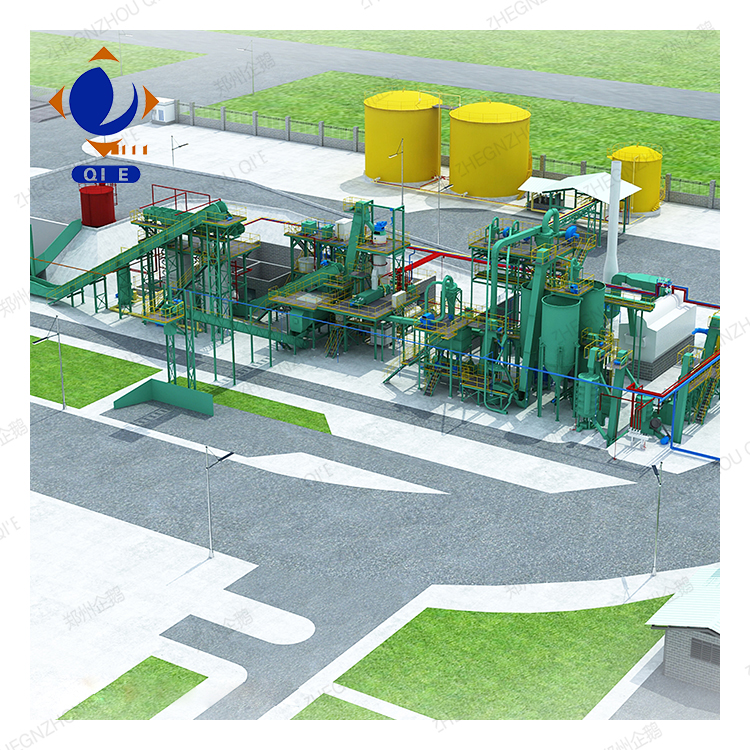
What Is Edible Oil Production Line Equipment? From Oilseed Pretreatment to Refining and Packaging
2026-09-17
Qi'e Grain and Oil Machinery Co., Ltd.
Concept Explanation
Qi'e Grain and Oil Machinery Co., Ltd. explains edible oil production line equipment, covering oilseed pretreatment, pressing or solvent extraction, crude oil treatment, refining, storage, and packaging for project planning.

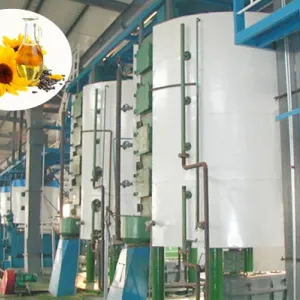
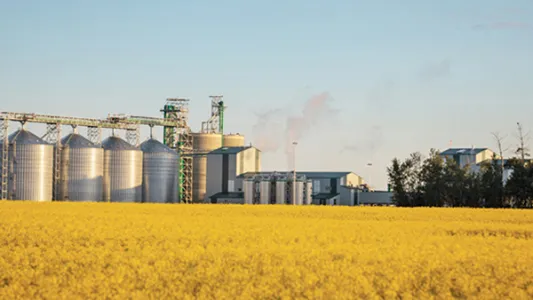
Edible oil production line equipment is an integrated set of machines used to convert oilseeds into market-ready edible oil. A complete line typically connects oilseed receiving and pretreatment, pressing or solvent extraction, crude oil treatment, refining, storage, and packaging in a coordinated processing flow.
For processors working with mustard seed and other oil-bearing materials, the appropriate configuration depends on the raw material condition, target capacity, chosen extraction method, finished oil requirements, utility availability, and local compliance obligations. Qi'e Grain and Oil Machinery Co., Ltd. supplies oil processing equipment and supports customers in planning practical, process-oriented line configurations.
How an Edible Oil Production Line Works
Although process details vary by oilseed and production objective, edible oil production generally follows a clear sequence: prepare the seed, separate the oil, treat the crude oil, refine it where required, then store and package the finished product. Each stage affects operational continuity, oil quality management, by-product handling, and downstream efficiency.
1. Pretreatment
Cleaning and material preparation
2. Oil Recovery
Pressing or solvent extraction
3. Crude Oil Treatment
Settling and filtration
4. Refining
Quality-oriented oil treatment
5. Storage & Packaging
Finished oil handling
Core Equipment by Processing Stage
| Processing Stage |
Typical Equipment |
Primary Purpose |
| Oilseed pretreatment |
Seed cleaning equipment; preparation and heating equipment where applicable |
Remove foreign matter and prepare oilseeds for stable downstream processing. |
| Mechanical pressing |
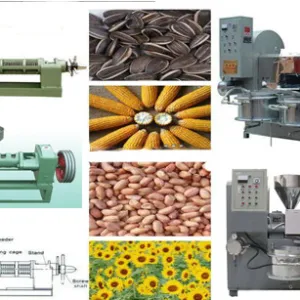
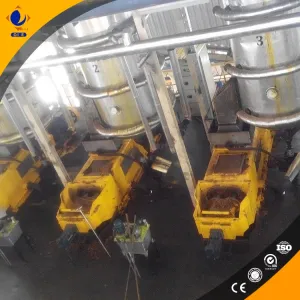
Screw oil press or oil expeller |
Recover oil through mechanical compression of prepared seed. |
| Solvent extraction |
Solvent extraction system and associated recovery processes |
Extract oil using a controlled solvent-based process for applicable projects. |
| Crude oil treatment |
Plate filter press or pressure leaf filter |
Remove suspended solids and support cleaner crude oil handling. |
| Edible oil refining |
Edible oil refining equipment |
Treat crude oil according to the intended finished oil specifications and process requirements. |
| Storage and packaging |
Oil storage tanks; filling and packaging equipment |
Store filtered or refined oil and prepare it for distribution or sale. |
Mustard Oil Extraction: Process Options
Mustard oil extraction begins with properly prepared mustard seed. The selected method should be evaluated against the desired production scale, product positioning, process control needs, and the characteristics of the available raw material. The three commonly considered approaches are cold pressing, hot pressing, and solvent extraction.
Cold Pressing
Cleaned mustard seed is pressed under relatively low-temperature conditions. This method is often considered for applications where retaining the seed’s natural flavor profile is an important product objective.
Planning consideration: cold pressing may produce a lower oil yield than other extraction approaches.
Hot Pressing
Mustard seed is cleaned and heated before mechanical pressing. Heating can support pressing performance and is commonly selected when throughput and oil recovery are key operational considerations.
Planning consideration: temperature management should align with the intended finished oil characteristics.
Solvent Extraction
Prepared seed is treated in a solvent-based extraction process. This approach requires dedicated equipment and controlled solvent recovery and removal procedures.
Planning consideration: project design must account for process safety, environmental management, and applicable regulations.
Key Considerations for an Oil Processing Project
Equipment selection is not only a machine-by-machine decision. A workable edible oil production line should be planned as a connected system, from oilseed supply to finished oil dispatch.
- Processing capacity: define the expected daily or operational processing requirement before sizing major equipment.
- Raw material supply: assess the consistency, cleanliness, and availability of mustard seed or other oilseeds.
- Site and utilities: confirm access to power, water, logistics, and sufficient space for processing, storage, and maintenance.
- Finished oil requirements: determine whether the project requires filtered crude oil, refined oil, or a specific packaging format.
- Quality control: establish appropriate inspection and operating procedures for raw materials, intermediate oil, and finished products.
- Compliance and environmental management: obtain applicable permits and plan for waste handling, emissions control, and safe operation.
Integrated Equipment for Practical Line Planning
Whether the project focuses on mustard oil extraction or another edible oil application, integration between pretreatment, oil recovery, filtration, refining, and packaging is essential. Matching interfaces between these stages can help create a more orderly material flow and provide a clearer basis for installation, operation, and future process adjustments.
Qi'e Grain and Oil Machinery Co., Ltd. develops and supplies oil pressing equipment, oil production line equipment, and edible oil refining equipment. The company can support B2B customers with equipment-oriented planning for oilseed processing projects, including consideration of raw material type, extraction route, capacity needs, and finished oil handling requirements.
A well-planned edible oil production line starts with a clear understanding of the oilseed, the intended extraction method, and the required path from crude oil treatment through storage and packaging.