Planning an edible oil production line is a project-level decision that connects raw material conditions, target capacity, process selection, equipment configuration, utilities, plant layout and finished-oil requirements. A practical plan should define these elements together rather than selecting individual machines in isolation.
Qi'e Grain and Oil Machinery Co., Ltd. supports oilseed processing projects with equipment and integrated planning perspectives covering oil pressing, solvent extraction, edible oil refining and packaging-related process interfaces. This guide outlines the main questions project teams should address when planning soybean, palm, palm kernel, sunflower seed and other edible oil processing lines.
The suitable processing route begins with a clear understanding of what the plant is expected to produce. This includes the oilseed type, the intended oil grade, the expected daily or annual throughput, and whether the project will process one material or several materials over time.
An edible oil production line may use mechanical pressing, solvent extraction, or a combination of both. The appropriate route depends on the raw material, planned capacity, product objectives and site conditions. Refining may be added when the project requires processed edible oil rather than crude oil.
| Process section | Planning purpose | Typical planning considerations |
|---|---|---|
| Preparation | Prepare incoming material for stable downstream processing. | Receiving, cleaning, screening, drying, dehulling, crushing, flaking or conditioning, as applicable. |
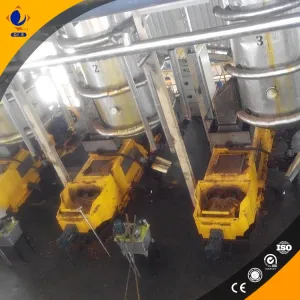
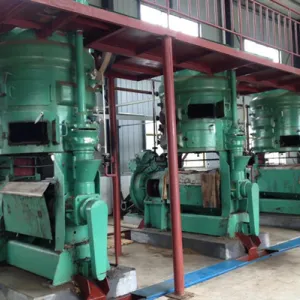
| Mechanical pressing | Separate oil mechanically from prepared oilseed. | Seed preparation, press selection, cake conveying, crude-oil clarification and operating continuity. |
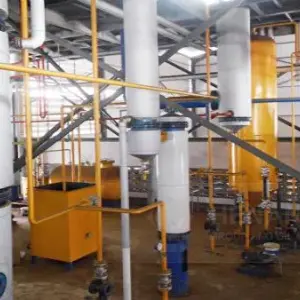
| Solvent extraction | Support oil recovery in projects designed for extraction processing. | Material preparation, extraction process interfaces, solvent-related safety requirements and downstream oil handling. |
| Oil refining | Process crude oil toward the required finished-oil specification. | Refining route, oil characteristics, quality requirements, utility needs and storage arrangements. |
| Packaging and dispatch | Prepare finished oil for storage, filling and delivery. | Finished-oil tanks, transfer lines, packaging format, filling interface and warehouse flow. |
Equipment configuration should follow the process sequence and capacity balance of the entire line. A press, extractor, refinery or packaging unit performs best when upstream feeding, intermediate transfer, filtration, storage and control arrangements are planned as connected parts of one operating system.
Define the material receiving method, cleaning requirements and preparation steps needed before pressing or extraction. This section should prevent unsuitable material from disrupting downstream production.
Select pressing or extraction equipment in line with the process route, then consider crude-oil settling, filtering and transfer requirements before the next process stage.
Where refined oil is required, refining equipment, finished-oil storage and transfer routes should be coordinated with the target product and packaging plan.
A production line should be evaluated by the continuity of material flow from receiving through finished-oil storage. Bottlenecks can occur when one section has a significantly different throughput, operating rhythm or holding capacity than the surrounding sections.
Plant layout is an operational decision, not only a construction drawing. A well-considered layout helps organize the movement of raw materials, intermediate products, finished oil, operators and maintenance personnel. It should also reflect local site limitations and the selected production route.
Energy use and oil quality requirements affect equipment selection and process organization. Projects should identify available utilities and expected operating conditions before finalizing the line configuration. The intended finished-oil form also influences refining, storage and packaging arrangements.
Review the availability and routing of electricity, water, heating or steam-related services, ventilation and other site utilities required by the chosen process. Utility planning should be coordinated with the equipment layout and operating schedule.
Define the required finished-oil condition, storage approach and package format before confirming downstream equipment. This helps align refining and finished-oil handling with the project’s market and distribution needs.
The same planning framework can be applied to different oilseed projects, while the specific process route and equipment combination should be adapted to the material and production objective.
| Project type | Planning focus | Relevant process considerations |
|---|---|---|
| Soybean oil production line | Preparation, oil separation route, crude-oil handling and refining requirements. | Material preparation, pressing or extraction planning, oil clarification and downstream refining interfaces. |
| Palm kernel oil processing | Kernel condition, preparation, pressing equipment and oil handling. | Feed preparation, mechanical oil pressing, crude-oil clarification and product storage. |
| Sunflower seed oil processing | Seed preparation, extraction or pressing route, and finished-oil requirements. | Cleaning, preparation, oil separation, clarification, refining and packaging coordination. |
| Edible oil refining project | Crude-oil characteristics and finished-oil quality objectives. | Refining process selection, utility coordination, finished-oil storage and packaging interfaces. |
For more effective equipment configuration discussions, project teams should prepare the available details of their raw material, target capacity, proposed site, intended process route, utility conditions and finished-oil requirements. These inputs create a more reliable basis for planning the production line as a complete system.
With experience in oil pressing equipment, oil production line equipment and oil refining equipment, Qi'e Grain and Oil Machinery Co., Ltd. approaches edible oil production line planning with attention to process connection, equipment suitability and long-term operational needs.

 185
|
185
|
 walnut oil extraction process
screw oil press
hydraulic oil press
supercritical CO2 extraction
walnut oil purification equipment
walnut oil extraction process
screw oil press
hydraulic oil press
supercritical CO2 extraction
walnut oil purification equipment
 459
|
Qi'e Grain and Oil Machinery Co., Ltd.
integrated grain and oil machinery solution
turnkey plant delivery
oil pressing equipment
oil refining equipment
459
|
Qi'e Grain and Oil Machinery Co., Ltd.
integrated grain and oil machinery solution
turnkey plant delivery
oil pressing equipment
oil refining equipment
 202
|
industrial solvent recovery
distillation technology
membrane filtration
adsorption regeneration
solvent recovery maintenance
202
|
industrial solvent recovery
distillation technology
membrane filtration
adsorption regeneration
solvent recovery maintenance
 300
|
Qi'e Grain and Oil Machinery Co., Ltd.
edible oil refining
degumming
decolorization
deodorization
424
|
Qi'e Grain and Oil Machinery
overseas oil production line project
oil processing machinery export
oil equipment installation and commissioning
oil production project delivery
300
|
Qi'e Grain and Oil Machinery Co., Ltd.
edible oil refining
degumming
decolorization
deodorization
424
|
Qi'e Grain and Oil Machinery
overseas oil production line project
oil processing machinery export
oil equipment installation and commissioning
oil production project delivery








.jpg?x-oss-process=image/resize,m_fill,h_300,w_300/format,webp)