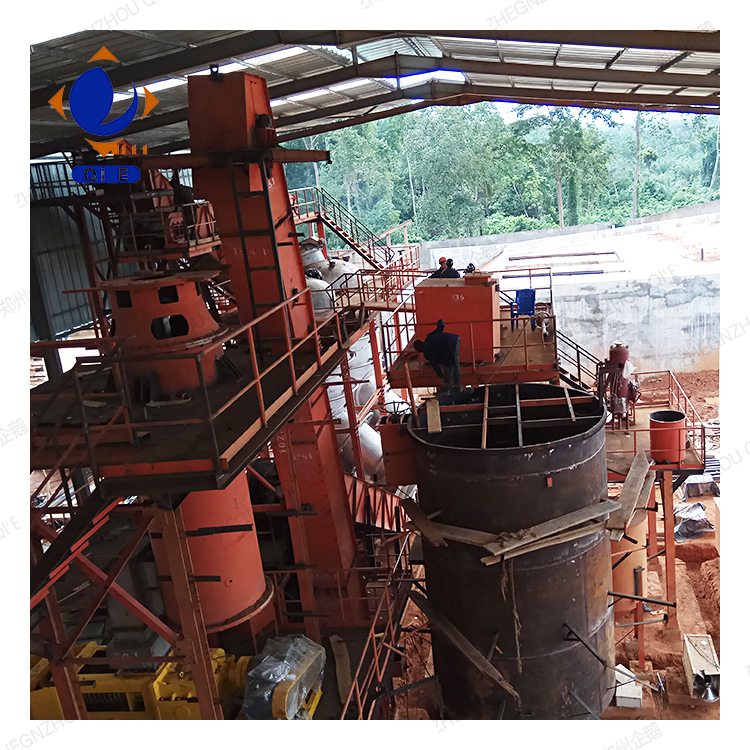
In the palm kernel oil extraction process, the selection, maintenance, and fault prevention of crushers play a crucial role in enhancing production efficiency and reducing costs. This article will provide in - depth insights into these aspects.
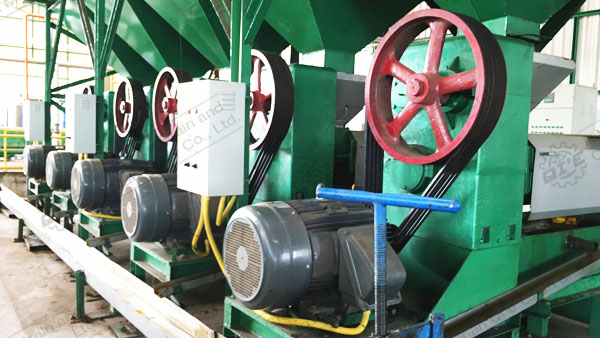
The physical characteristics of palm kernels, including moisture content and hardness, significantly influence the choice of crushers. Generally, palm kernels with a moisture content of 8% - 12% and medium hardness are common. For such palm kernels, two main types of crushers are often considered: hammer crushers and roller crushers.
| Crusher Type | Working Principle | Advantages | Disadvantages | Applicable Scenarios |
|---|---|---|---|---|
| Hammer Crushers | Use high - speed rotating hammers to impact and crush palm kernels. | High crushing ratio, suitable for large - scale production. Can achieve fine crushing of palm kernels. | High energy consumption, hammers need frequent replacement. | When high - volume and fine crushing is required, especially for relatively hard palm kernels. |
| Roller Crushers | Crush palm kernels through the extrusion force between two rollers. | Low energy consumption, stable operation, and less wear on the crushing parts. | Lower crushing ratio, not suitable for extremely hard palm kernels. | For palm kernels with relatively low hardness and when energy - saving is a priority. |
The crushing granularity of palm kernels has a direct impact on the subsequent pressing efficiency and oil yield. Research shows that when the average particle size of crushed palm kernels is between 2 - 5 mm, the pressing efficiency can reach about 85% - 90%, and the oil yield can be increased by 3% - 5% compared with larger particle sizes. Moreover, proper crushing granularity can also optimize energy consumption. For example, by adjusting the crusher parameters to achieve the optimal granularity, energy consumption can be reduced by about 10% - 15% during the pressing process.
Regular maintenance is essential for ensuring the stable operation of crushers. A weekly visual inspection should be carried out to check for loose parts, abnormal wear, and signs of leakage. Every month, lubrication points should be refilled with high - quality lubricants to reduce friction. In addition, a comprehensive maintenance should be conducted every three months, including checking the integrity of the crushing parts, the tension of belts, and the accuracy of sensors.
Common faults of crushers include abnormal vibration, low crushing efficiency, and excessive noise. When these faults occur, a step - by - step troubleshooting process should be followed. For example, if there is abnormal vibration, first check if the foundation bolts are loose, then inspect the balance of the rotating parts. For low - crushing - efficiency problems, check the wear of the crushing parts and the feed rate.
Here is a simple operation flowchart for fault troubleshooting. [Insert operation flowchart link here]. And for more detailed operation guidance, you can refer to our operation video. [Insert video link here].
Based on industry case studies, a palm oil processing enterprise in Malaysia improved the stability of its crusher operation by 30% and reduced maintenance costs by 20% through regular maintenance and scientific fault prevention measures.
If you are facing challenges in crusher selection, maintenance, or fault prevention, our professional team is ready to assist you. Click here to contact us for personalized solutions.

 150
|
150
|
 mustard oil extraction plant
equipment and process compatibility
cold pressing
hot pressing
solvent extraction
efficiency improvement
mustard oil extraction plant
equipment and process compatibility
cold pressing
hot pressing
solvent extraction
efficiency improvement
 420
|
Customizable palm oil processing line
palm kernel oil processing equipment
diverse production needs
efficient oil extraction equipment
customized production solutions
420
|
Customizable palm oil processing line
palm kernel oil processing equipment
diverse production needs
efficient oil extraction equipment
customized production solutions
 311
|
palm kernel oil distillation tower
vacuum distillation process
molecular distillation technology
palm kernel oil refining
distillation equipment operation guide
311
|
palm kernel oil distillation tower
vacuum distillation process
molecular distillation technology
palm kernel oil refining
distillation equipment operation guide
 267
|
sunflower oil pressing
physical cold pressing
vitamin E retention
edible oil processing
press machine troubleshooting
267
|
sunflower oil pressing
physical cold pressing
vitamin E retention
edible oil processing
press machine troubleshooting
 64
|
Peanut oil extraction machinery
Oil pressing equipment
Edible Oil Processing
64
|
Peanut oil extraction machinery
Oil pressing equipment
Edible Oil Processing






.jpg?x-oss-process=image/resize,m_fill,h_300,w_300/format,webp)