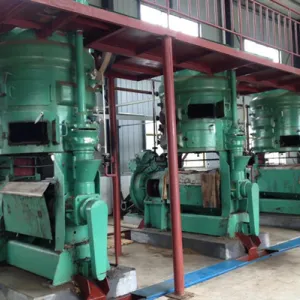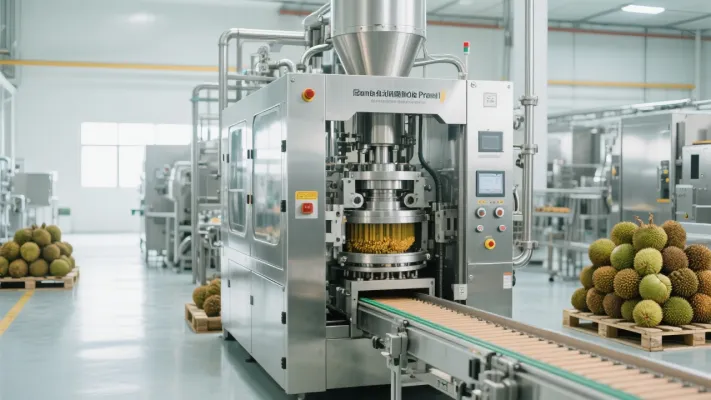
The sunflower seed oil pressing industry is evolving rapidly to meet global demands for healthy, natural oil with superior nutritional value. Modern physical pressing technology plays a pivotal role in ensuring maximum yield and nutrient preservation, addressing challenges such as low oil extraction rates and high residual oil content in by-products. This article explores the working principles, critical control parameters, and innovations behind efficient sunflower seed oil press machines designed for mid-sized processing plants targeting export markets.
Physical pressing of sunflower seeds relies on mechanical pressure without chemical solvents, which helps retain vital micronutrients like Vitamin E and unsaturated fatty acids. The two most crucial parameters for process optimization are pressure control and temperature regulation. Typically, the optimal pressure ranges between 40-60 MPa, while temperature is maintained between 90°C and 110°C to enhance oil flow without degrading heat-sensitive compounds.
Additionally, meticulous pre-treatment of sunflower seeds—such as drying to moisture levels of 7-9%, dehulling, and uniform particle sizing—improves press efficiency by facilitating better material flow and minimizing clogging. Proper pre-treatment has been shown to increase oil extraction efficiency by approximately 6-8%.
Unlike chemical extraction methods, physical pressing safeguards delicate nutrients. Research indicates that carefully controlled pressing parameters result in sunflower seed oil retaining over 95% of its original Vitamin E content and maintaining unsaturated fatty acid profiles essential for heart health. This nutritional superiority is a significant export market advantage, appealing to health-conscious consumers across Europe and North America.
| Parameter | Optimal Range | Effect on Oil Quality |
|---|---|---|
| Pressure | 40-60 MPa | Maximizes extraction without damaging oils |
| Temperature | 90-110°C | Preserves heat-sensitive nutrients |
| Seed Moisture Content | 7-9% | Reduces clogging and boosts flow |
Many small to mid-scale oil processors encounter issues such as residual oil left in cake exceeding 7%, resulting in significant wastage and reduced profitability. Our case studies from Eastern European roasting facilities demonstrated that by integrating automated pressure regulation and precise temperature control, residual oil levels dropped below 4%, increasing overall yield by up to 10%.
Furthermore, implementing a dual-stage seed cleaning and pre-heating system decreased machine downtime by 15%, contributing to energy savings and smoother workflow. These practical adjustments align with export market demands for consistent quality and environmental compliance.
Operational Tip: Regular calibration of pressure sensors and timely replacement of wear parts ensure stable performance and prolong machine lifespan, safeguarding continuous high-quality output.

The latest generation sunflower seed oil press machines incorporate energy-saving drives and regenerative braking systems that reduce electricity consumption by roughly 20% compared to conventional models. They also utilize advanced sealing technology minimizing oil leakage and maintenance requirements.
Water consumption is optimized by integrating closed-loop cooling systems, enabling compliance with strict environmental regulations prevalent in leading export territories. The eco-friendly design also significantly cuts down noise pollution, creating safer workplace conditions.
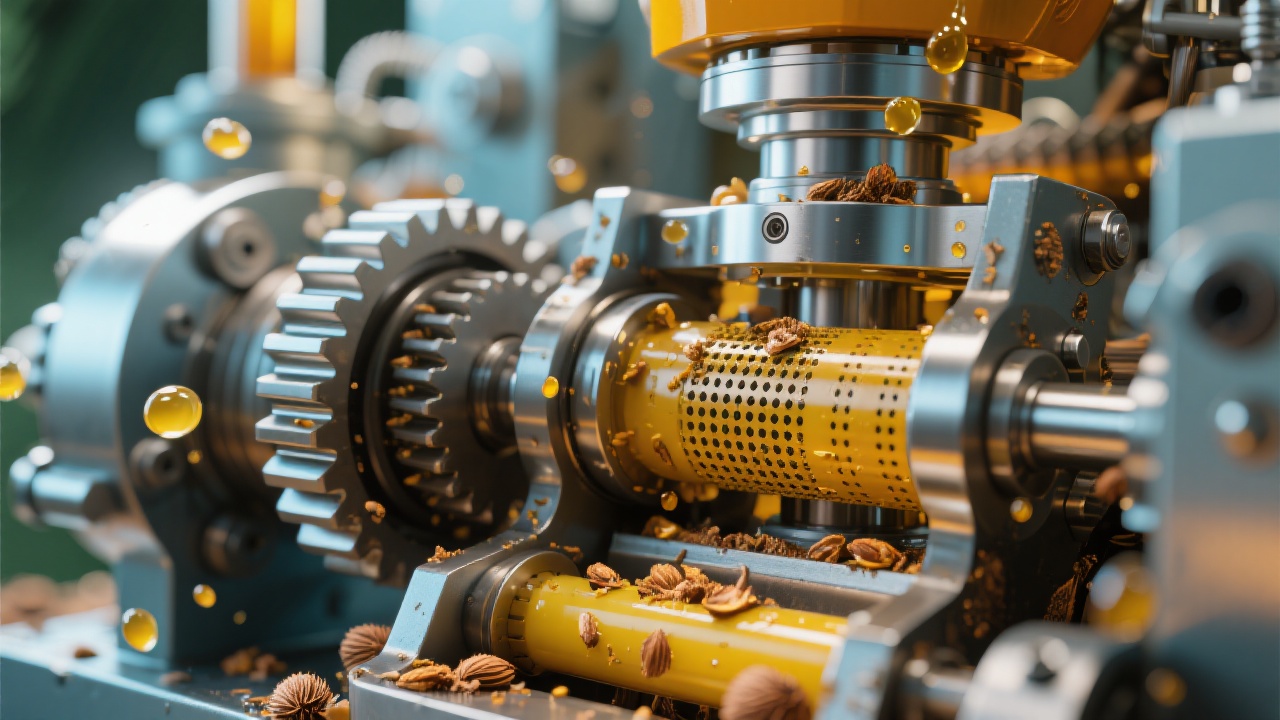
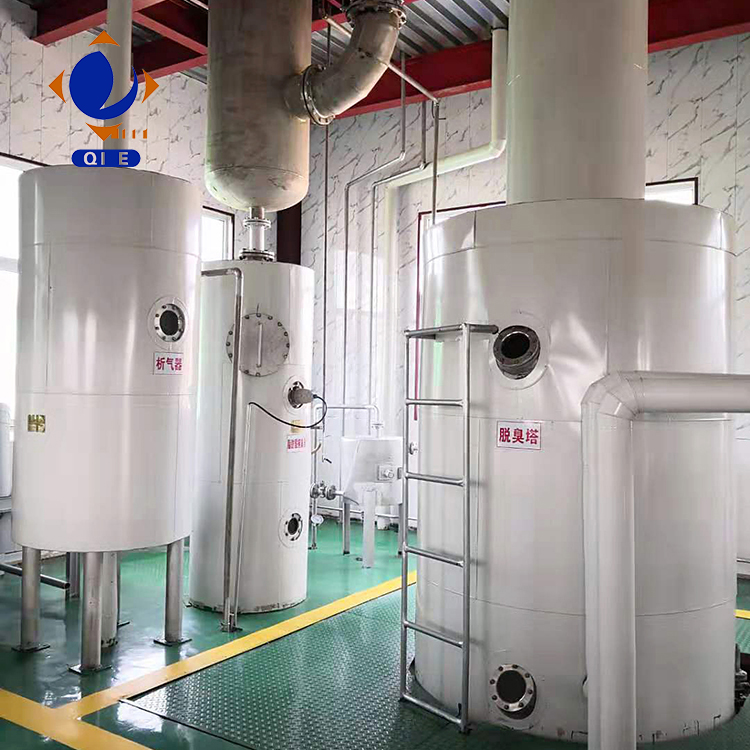
To experience seamless integration of high-efficiency, eco-conscious sunflower seed oil pressing technology that meets stringent export requirements, explore our cutting-edge Sunflower Seed Oil Press Machines Designed for Energy Savings & Superior Oil Quality.