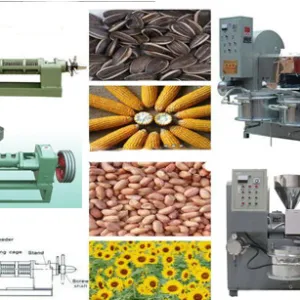
In the realm of high - end sesame oil production, the leaching and refining process stands as a cornerstone for developing top - quality products. This process not only significantly enhances the oil yield but also ensures the purity and quality of the final product, making it a crucial step for businesses aiming to thrive in the competitive market.
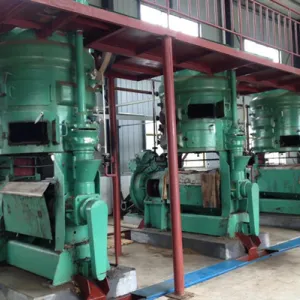
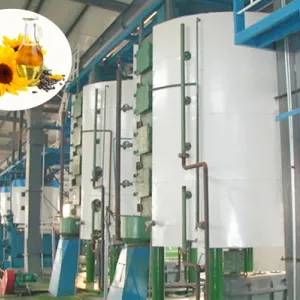
Leaching equipment, including leachers, evaporators, and desolvation towers, plays a pivotal role in the sesame oil refining process. The leacher is designed to extract oil from sesame seeds using solvents. By controlling the temperature, time, and solvent - to - seed ratio, operators can optimize the extraction efficiency. For example, maintaining a temperature of around 50 - 60°C can increase the oil extraction rate by up to 90%.
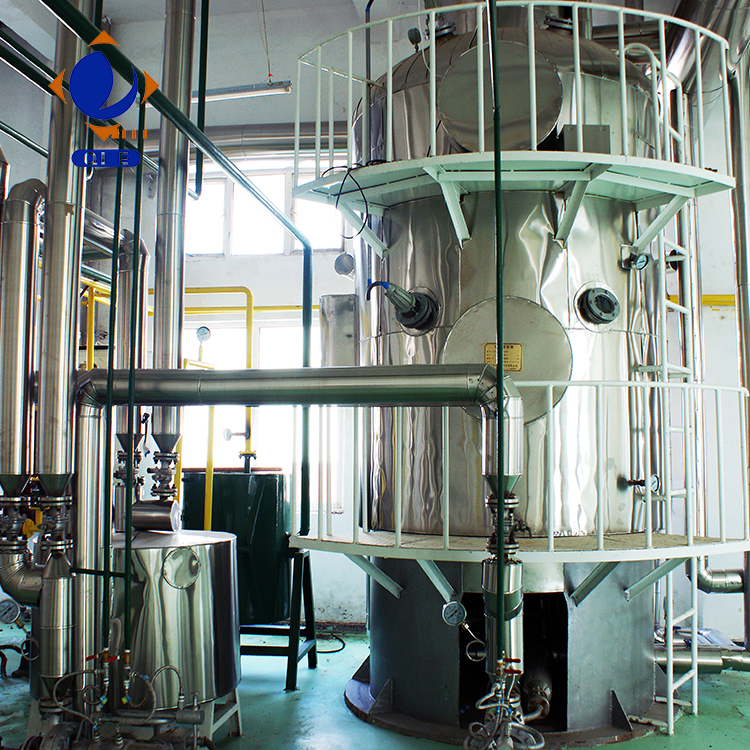
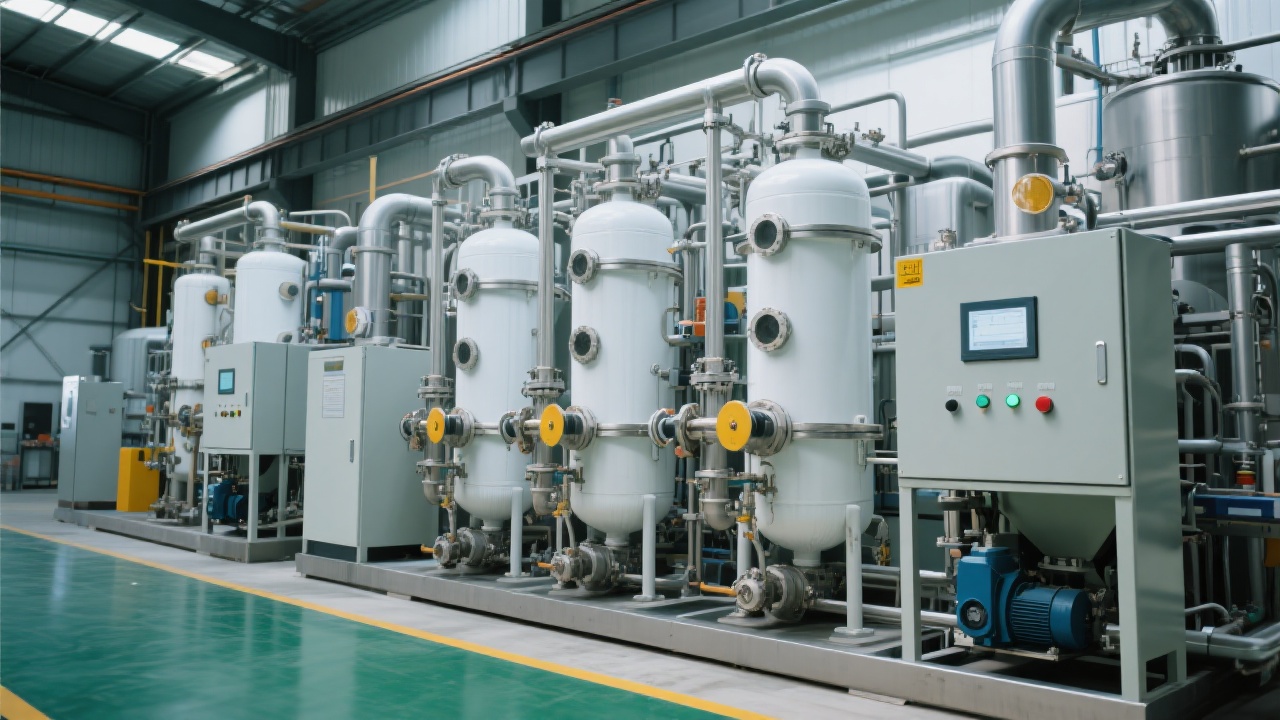
Evaporators are responsible for separating the solvent from the oil - solvent mixture. They work by heating the mixture to vaporize the solvent, which is then condensed and recovered. Proper control of the evaporation temperature and pressure is essential to ensure the quality of the oil and the efficiency of solvent recovery. A well - operated evaporator can reduce the solvent content in the oil to less than 0.1%.
Desolvation towers further remove any remaining solvent from the oil, ensuring that the final product meets food safety standards. The key parameters in desolvation towers include temperature, steam flow rate, and residence time. By adjusting these parameters, producers can achieve a solvent - free oil product.
The 'Six - Degreasing' refining process is a systematic approach to improve the quality of sesame oil and reduce impurity residues. Each step in this process is carefully designed to target specific impurities. For instance, the first step of degumming removes phospholipids, which can cause the oil to become cloudy. By adding phosphoric acid and controlling the temperature at 60 - 70°C, the degumming efficiency can reach over 95%.
The subsequent steps of neutralization, bleaching, deodorization, and winterization further refine the oil, enhancing its flavor, color, and stability. Through this comprehensive process, the oil's acid value can be reduced to less than 0.1 mg KOH/g, and the peroxide value can be maintained at a very low level, ensuring a long shelf - life for the product.
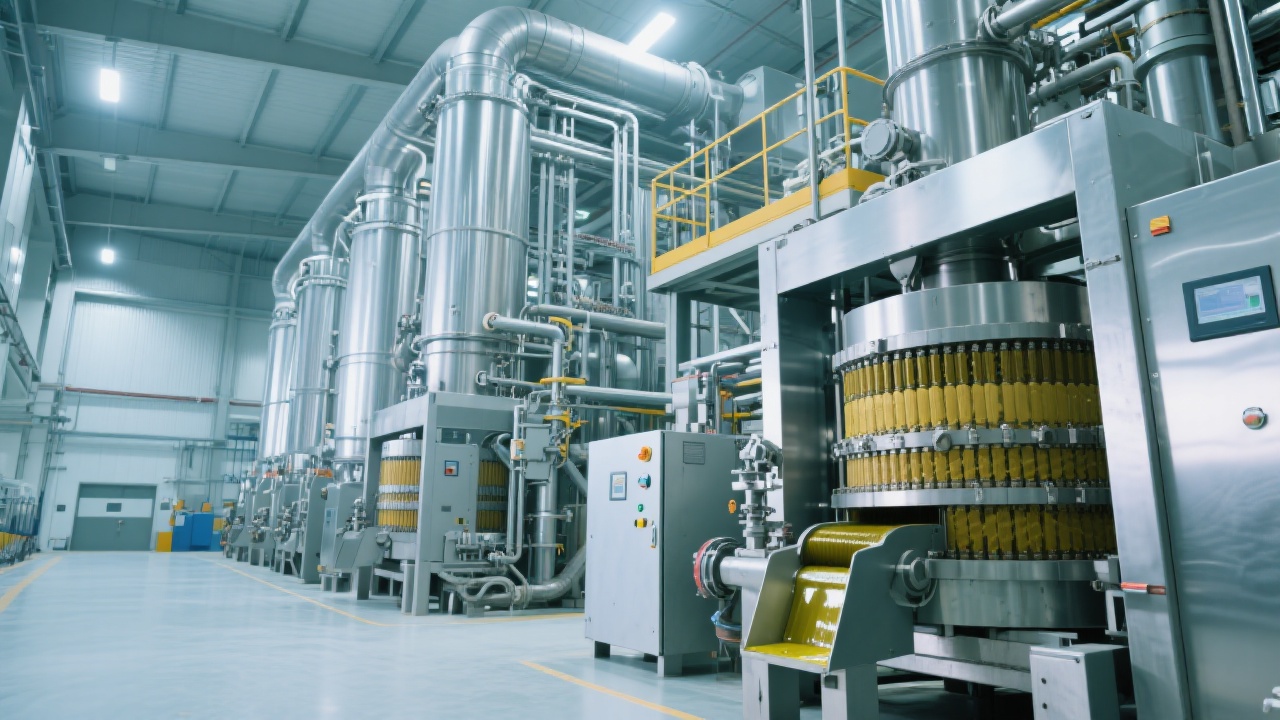
Solvent recovery technology is not only an environmental requirement but also a cost - saving measure. By implementing efficient solvent recovery systems, producers can reduce solvent consumption by up to 30%, significantly lowering operating costs. These systems work by condensing and recycling the solvent vapor generated during the extraction and evaporation processes. Advanced solvent recovery technologies can achieve a recovery rate of over 95%, ensuring that the production process is environmentally friendly and economically viable.
Let's take a look at a real - world example. A high - end sesame oil production company was facing challenges with low oil yield and high solvent consumption. By analyzing their process, they identified bottlenecks in the leaching and solvent recovery steps. After optimizing the operating parameters of the leacher and upgrading the solvent recovery system, they were able to increase their oil yield by 15% and reduce solvent consumption by 25%.
| Question | Answer |
|---|---|
| What is the optimal temperature for the leaching process? | The optimal temperature is around 50 - 60°C, which can maximize the oil extraction rate. |
| How can I improve the solvent recovery rate? | You can upgrade your solvent recovery system and optimize the operating parameters such as temperature and pressure. |
In conclusion, the leaching and refining process, along with solvent recovery technology, are essential for high - end sesame oil production. By understanding the principles and optimizing the processes, producers can achieve both environmental compliance and economic benefits. Discover more efficient leaching and refining solutions by visiting our equipment专区.