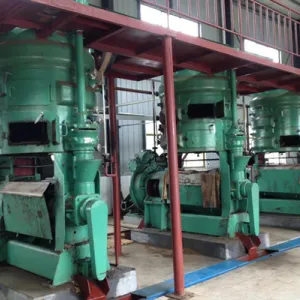
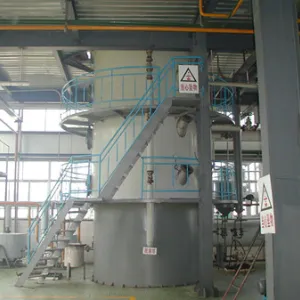
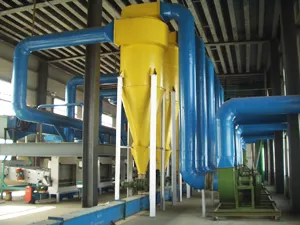
An edible oil project works best when each process stage is planned as part of one coordinated system. From mustard seed receiving and cleaning through oil pressing or extraction, filtration, optional refining, storage and packaging, equipment selection affects product handling, process continuity and future operating requirements. Qi'e Grain and Oil Machinery Co., Ltd. supports grain and oil processing projects with equipment and process-focused solutions designed around the practical needs of oil producers.
Mustard oil extraction is the process of obtaining oil from mustard seeds, also called mustard seed or rapeseed in some regional contexts. The production route should be selected according to the intended product profile, available raw materials, planned processing capacity, site utilities and applicable food-processing requirements.
A complete mustard oil processing line commonly links seed cleaning, seed conditioning where required, mechanical pressing or solvent extraction, oil filtration, storage and packaging. When a refined finished oil is required, refining equipment can be integrated after crude oil production to support the selected refining process.
Cleaning equipment removes stones, dust and other foreign material from mustard seeds before processing. This step prepares raw material for more consistent downstream handling.
For hot pressing, a cooker or kettle heats prepared seed before pressing. This process stage is not the same as cold pressing and should match the chosen extraction method.
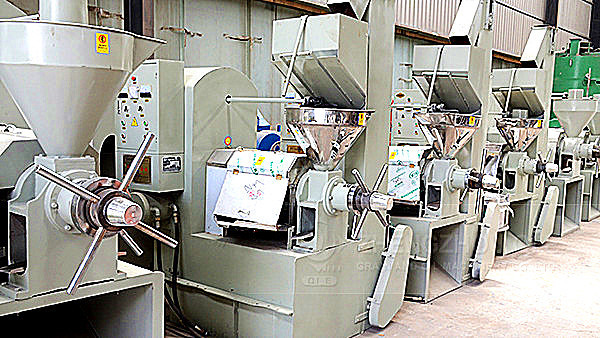
A mustard oil press, commonly a screw press, mechanically separates oil from prepared seed. Solvent extraction is a separate route that requires dedicated extraction and solvent-removal processes.
Filter presses or pressure leaf filters remove solid particles from extracted oil. Filtered oil can then be transferred to suitable storage tanks before further processing or filling.
Where product specifications call for refining, edible oil refining equipment can be coordinated with the pressing or extraction section. Filling and packaging equipment completes the route to market.
| Method | Basic Process | Key Consideration | Typical Equipment Focus |
|---|---|---|---|
| Cold pressing | Cleaned seed is pressed at low temperature. | Often selected where retaining the oil's natural flavour and characteristics is important; oil yield may be lower than other methods. | Seed cleaner, cold press, filtration equipment and storage tanks. |
| Hot pressing | Cleaned seed is heated or cooked before mechanical pressing. | Heating supports pressing efficiency, while process conditions should align with the desired finished oil profile. | Seed cleaner, cooker or kettle, screw oil press, filter and tanks. |
| Solvent extraction | Prepared seed or oil-bearing material is processed with a solvent, followed by solvent removal. | This route requires more complex equipment, process control and attention to solvent handling and regulatory requirements. | Preparation section, solvent extractor, desolventizing and recovery-related systems. |
A press is only one part of an edible oil processing project. Coordinating upstream, core and downstream equipment helps project teams evaluate material flow, production organization and installation needs before equipment is finalized.
The appropriate mustard oil extraction equipment depends on the selected process rather than a single universal machine choice. Seed preparation, pressing conditions, filtration needs, refining scope, storage requirements and packaging plans should be reviewed together. This approach helps businesses compare equipment configurations for a new small oil mill, a dedicated mustard oil plant or an upgrade to an existing grain and oil processing line.
Qi'e Grain and Oil Machinery Co., Ltd. develops and supplies oil pressing equipment, oil production line equipment and edible oil refining equipment for B2B processing projects. For mustard oil extraction, the equipment scope may include seed cleaning machines, cooking units for hot pressing, screw oil presses, filtration equipment, oil storage tanks, refining sections and packaging units according to the planned process.
Project evaluation can also consider process coordination, installation planning and technical service requirements. By connecting equipment stages around the actual raw material, product target and plant conditions, oil producers can establish a clearer basis for equipment selection and production line planning.
Practical focus: A well-planned mustard oil processing project begins with a clear process route, reliable seed preparation and appropriately connected pressing, filtration, refining and packaging equipment—not with a single machine considered in isolation.

 247
|
 Qi'e Grain and Oil Machinery Co., Ltd. overseas grain and oil processing project equipment configuration installation and commissioning technical service
 260
|
rice bran residue biomass fuel calorific value analysis pelletizing process optimization biomass fuel raw materials green energy transformation
 73
|
supercritical CO2 extraction walnut oil low-temperature walnut oil processing solvent-free walnut oil extraction supercritical CO2 extraction equipment high-purity walnut oil production
54
|
Qi'e Grain and Oil Machinery Co., Ltd. cold press oil machine hot pressing process vegetable oil solvent extraction oil extraction process selection
 45
|
QIEJI Group complete grain and oil machinery equipment oil pressing equipment oil production line equipment B2B procurement