Industrial solvent recovery is increasingly critical in chemical and pharmaceutical manufacturing, aiming to reduce costs, ensure operational safety, and advance green production. Penguin Group addresses this with advanced industrial-grade solvent recovery equipment, incorporating three primary technologies: distillation, membrane filtration, and adsorption regeneration. Understanding their principles, strengths, and limitations is essential for industry professionals to optimize solvent reuse and minimize environmental impact.
Distillation leverages differences in boiling points to separate solvents from impurities. It is a mature, widely used method that effectively handles solvents with significant volatility differences.
Membrane separation employs selective permeability to filter solvents based on molecular size or chemical affinity, operating at ambient or slightly elevated temperatures.
Adsorption utilizes materials such as activated carbon or zeolites to capture solvent molecules from waste streams, followed by regeneration via thermal or vacuum methods.
| Feature | Distillation | Membrane Filtration | Adsorption Regeneration |
|---|---|---|---|
| Recovery Purity | Up to 99.5% | 90%-95% | Variable (70%-85%) |
| Energy Consumption (kWh/ton) | ~500 | ~150 | ~120 |
| Suitability for Heat-Sensitive Solvents | Low | High | Moderate |
| Operational Complexity | Moderate to High | Low to Moderate | Moderate |
| Typical Application Scale | Large industrial plants | Small to Medium facilities | Small-scale or trace recovery |
Despite the effectiveness of these technologies, operational errors frequently degrade performance and safety. Common pitfalls include:
For example, a pharmaceutical plant suffered a 20% drop in solvent recovery yield within two months due to overlooked membrane cleaning cycles, leading to process downtime and increased costs. Implementing a standardized maintenance and operation checklist reversed these losses, boosting recovery efficiency to previous levels within four weeks.
To mitigate risks and optimize solvent recovery, industry users should adhere to the following key points (detailed checklist available for download):
Adoption of the right solvent recovery technology with disciplined operational control empowers chemical and pharmaceutical companies to achieve:
Leveraging knowledge on industrial solvent recovery operation and maintenance not only increases ROI from equipment but also supports long-term sustainability goals.
Ensure your industrial solvent recovery equipment performs at peak efficiency. Our comprehensive checklist helps technical teams prevent common operational risks and maximize solvent recovery rates.
Get the Essential Solvent Recovery Checklist Now
A midsize chemical plant integrating Penguin Group’s industrial-grade solvent recovery equipment with membrane filtration technology reduced solvent disposal costs by 45% in six months. The strategic combination of technology understanding, operator training, and strict maintenance adherence led to a 98% solvent recovery rate consistently, with a drastic cut in VOC emissions improving onsite air quality.
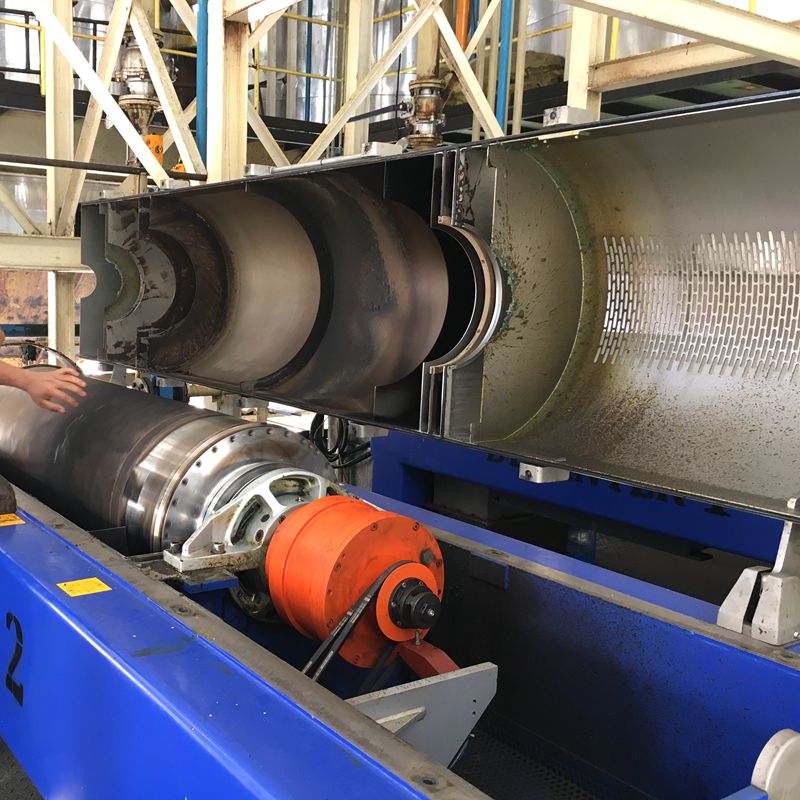
By embracing these advanced technologies and best practices, businesses align with the global movement toward sustainable, cost-effective chemical processing. Penguin Group remains committed to delivering tailored industrial-grade solvent recovery equipment solutions that address your unique operational challenges.

 217
|
217
|
 crusher selection
palm kernel crushing particle size
equipment maintenance skills
fault prevention
energy consumption optimization
crusher selection
palm kernel crushing particle size
equipment maintenance skills
fault prevention
energy consumption optimization
 50
|
cold pressing sunflower seed oil production
low-temperature pressing technology
premium edible oil process
cold pressing equipment selection
sunflower seed oil nutrition retention
436
|
Crusher selection
Palm kernel crushing particle size
Pressing efficiency improvement
Equipment maintenance skills
Palm kernel oil extraction machinery
405
|
Palm kernel oil distillation column
Vacuum distillation
Molecular distillation
Oil refining technology
Palm kernel oil quality improvement
87
|
palm kernel crushing granular size
oil extraction efficiency
hammer mill vs roller crusher
pressing process optimization
equipment maintenance strategy
50
|
cold pressing sunflower seed oil production
low-temperature pressing technology
premium edible oil process
cold pressing equipment selection
sunflower seed oil nutrition retention
436
|
Crusher selection
Palm kernel crushing particle size
Pressing efficiency improvement
Equipment maintenance skills
Palm kernel oil extraction machinery
405
|
Palm kernel oil distillation column
Vacuum distillation
Molecular distillation
Oil refining technology
Palm kernel oil quality improvement
87
|
palm kernel crushing granular size
oil extraction efficiency
hammer mill vs roller crusher
pressing process optimization
equipment maintenance strategy