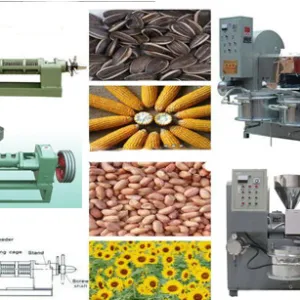
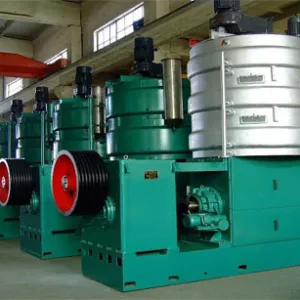
Sunflower oil presses play a central role in the edible oil industry. They are the key equipment for extracting sunflower oil, which is a popular cooking oil due to its health - benefits and good taste. With the increasing demand for high - quality edible oils, the performance of sunflower oil presses directly affects the quality and quantity of sunflower oil production.

Physical pressing is a traditional and natural method of oil extraction. It works by applying mechanical pressure to the sunflower seeds to squeeze out the oil. This process has a significant protective effect on key nutrients such as vitamin E (VE) and unsaturated fatty acids in sunflower oil. For example, during physical pressing, the relatively low - temperature and gentle pressure environment can effectively reduce the oxidation and degradation of these nutrients. Studies have shown that the loss rate of vitamin E in physical - pressed sunflower oil is only about 5 - 10%, while in solvent - extracted oil, the loss rate can reach 15 - 20%.
Solvent extraction is another common method for extracting sunflower oil. However, it has limitations in nutrient retention. The use of chemical solvents in this process may lead to the dissolution and loss of some nutrients. Moreover, the high - temperature treatment in the subsequent desolventizing process can further damage the heat - sensitive nutrients such as unsaturated fatty acids. In contrast, physical pressing can better preserve the natural flavor and nutritional value of sunflower oil, which is more in line with the needs of health - conscious consumers.
The oil yield and quality of sunflower oil are affected by several key parameters. The pressure range during pressing is crucial. Generally, a pressure of 20 - 50 MPa can achieve a good balance between oil yield and quality. Temperature also plays an important role. The temperature should be controlled within 40 - 60°C to avoid excessive nutrient loss. In addition, proper moisture control of the sunflower seeds is necessary, usually around 8 - 12% moisture content is optimal.
| Parameter | Optimal Range |
|---|---|
| Pressure | 20 - 50 MPa |
| Temperature | 40 - 60°C |
| Moisture Content | 8 - 12% |
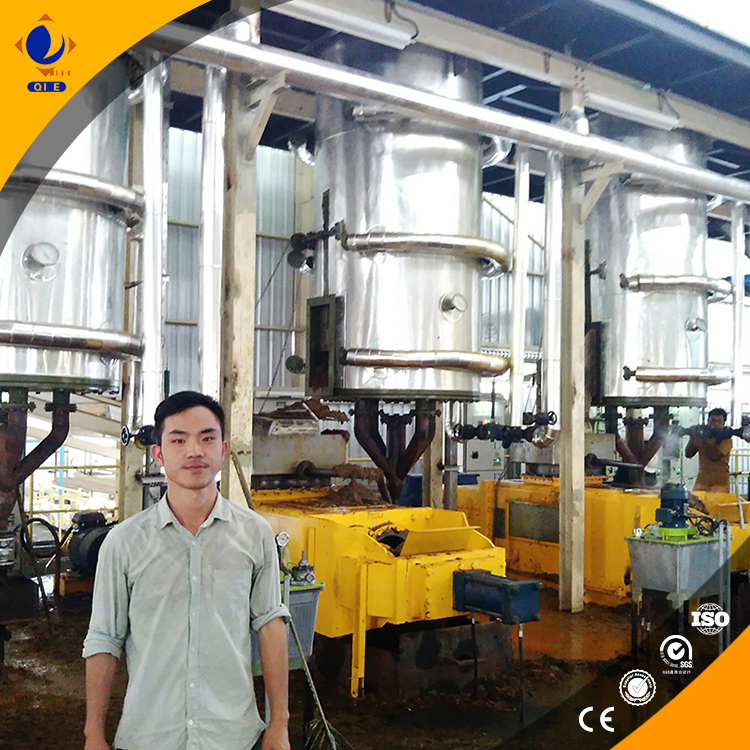
There are some common operation mistakes in sunflower oil pressing. For example, many operators think that higher pressure always means higher oil production, but in fact, excessive pressure may lead to damage to the oil cells and increase the difficulty of oil separation, resulting in lower oil quality. The solution is to adjust the pressure according to the characteristics of the sunflower seeds and the performance of the press.
To optimize the sunflower oil pressing process, some practical tips can be adopted. Pre - treatment optimization is very important. For example, proper roasting of sunflower seeds can improve the oil yield and flavor. When it comes to equipment debugging, it is necessary to ensure the normal operation of all components of the press. Regularly detecting the oil content in the residue is also a good way to monitor the pressing efficiency. A simple method is to use a Soxhlet extractor to measure the oil content in the residue.
Industry experts believe that physical pressing is a more sustainable and healthy oil - extraction method. For example, a small - scale sunflower oil processing factory in [location] improved its product quality and market competitiveness by adopting physical pressing technology. After optimization of the pressing process, their sunflower oil sales increased by 30% within a year.
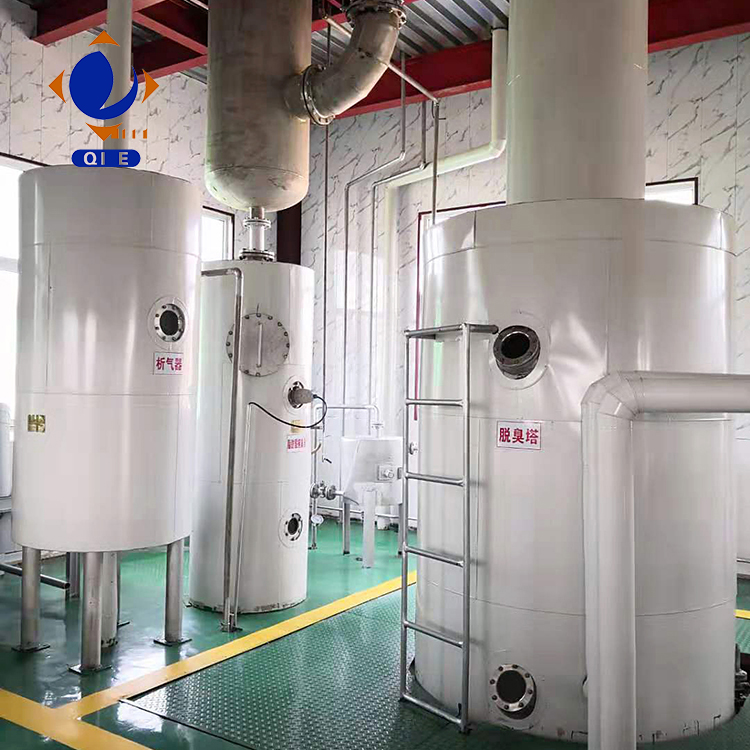
This article is suitable for small and medium - sized sunflower oil processing factories, health - conscious consumers, and agricultural cooperative leaders. By mastering the knowledge and skills introduced in this article, they can optimize the sunflower oil production process, improve product quality, and meet the market demand.
Do you have any questions about sunflower oil pressing technology? Share your thoughts in the comments below! And if you want to learn more about advanced sunflower oil pressing solutions, click here to explore now!