.jpg?x-oss-process=image/resize,h_400,m_lfit/format,webp)
When it comes to extracting sesame oil, the choice of equipment is crucial. Hydraulic oil presses and screw oil presses operate on different principles. A hydraulic oil press uses hydraulic pressure to squeeze the sesame seeds, applying a slow and steady force. In contrast, a screw oil press uses a rotating screw to crush and press the seeds. This difference in working mechanism leads to distinct outcomes in the extraction process.
.jpg)
The pressing temperature significantly affects the flavor, color, and nutritional components of sesame oil. High temperatures can enhance the extraction rate but may also cause the oil to lose some of its delicate flavor and nutritional value. For example, excessive heat can break down unsaturated fatty acids and vitamins in sesame oil. Hydraulic oil presses typically operate at lower temperatures, which helps to preserve the natural flavor, light color, and nutritional integrity of the oil. In contrast, screw oil presses often generate higher temperatures during the pressing process, which can result in a more intense flavor but may also reduce the oil's overall quality.
Lower pressing temperatures in hydraulic oil presses allow the sesame oil to retain its original nutty and delicate flavor. The oil has a more refined and pure taste, which is highly valued in the high - end market. On the other hand, the higher temperatures of screw oil presses can create a stronger, more pungent flavor, which may not be suitable for all consumers.
The color of sesame oil is also influenced by the pressing temperature. Hydraulic - pressed sesame oil usually has a lighter and more appealing color, which is often associated with higher quality. Screw - pressed oil may have a darker color due to the higher temperature and more intense processing.
Pressing at lower temperatures helps to preserve the nutritional components of sesame oil, such as antioxidants and vitamins. These nutrients are beneficial for health and contribute to the overall quality of the oil. Higher temperatures can degrade these components, reducing the oil's nutritional value.
In terms of oil quality stability, hydraulic oil presses generally produce oil with better long - term stability. The lower temperature processing reduces the risk of oxidation and rancidity, resulting in a longer shelf - life. Regarding residue control, hydraulic oil presses can better separate the oil from the solid residues, leaving less sediment in the oil. In terms of energy consumption efficiency, screw oil presses may be more energy - intensive due to the continuous rotation of the screw, while hydraulic oil presses can be more energy - efficient, especially for small - scale production.
| Indicator | Hydraulic Oil Press | Screw Oil Press |
|---|---|---|
| Oil Quality Stability | High | Moderate |
| Residue Control | Good | Moderate |
| Energy Consumption Efficiency | High (for small - scale) | Moderate |
For home - based workshops, a small - scale hydraulic oil press is a great choice. It is easy to operate, energy - efficient, and can produce high - quality oil for personal use or small - scale sales. Small and medium - sized oil mills can also benefit from hydraulic oil presses, especially if they target the high - end market. The ability to produce high - quality oil can help these businesses stand out in the market. For industrial - scale production, screw oil presses may be more suitable due to their higher throughput, although additional refining processes may be required to improve the oil quality.
Regular maintenance is essential for both hydraulic and screw oil presses. For hydraulic oil presses, it is important to check the hydraulic fluid level regularly and replace it according to the manufacturer's instructions. For screw oil presses, cleaning the screw and the pressing chamber regularly can prevent clogging and ensure smooth operation. Common problems such as oil leakage in hydraulic presses or screw jams in screw presses can be solved by following the manufacturer's troubleshooting guides. Here is an example of a customer case: A small - scale oil mill switched from a screw oil press to a hydraulic oil press. After the change, they noticed an improvement in oil quality, and their sales in the high - end market increased by 30% within a year.
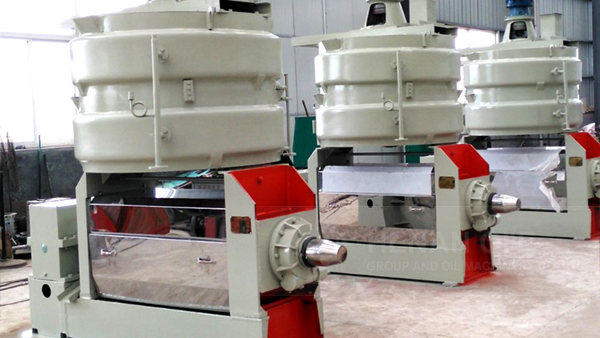
Choosing the right sesame oil extraction equipment is crucial for businesses to improve product quality and market competitiveness. As the saying goes, 'Choose the right equipment = lock in quality and open up the high - end market'. Even with a small investment, you can produce high - end sesame oil with a delicate taste. If you are still unsure which equipment is right for you, click here to learn more and make an informed decision.
What are your thoughts on choosing sesame oil extraction equipment? Share your experiences and questions in the comments below!