This hands-on tutorial explains how a laboratory-grade supercritical CO₂ extraction system is typically operated—from feed preparation and start-up checks to oil collection, cleaning, and routine maintenance. It focuses on pressure discipline, solvent recovery, and repeatability so research teams and small-batch producers can obtain consistent, high-quality walnut oil with fewer trial-and-error cycles.
A supercritical CO₂ platform is more than an extractor vessel. The system behaves like a closed-loop, high-pressure process line where each module influences extraction selectivity, yield, and safety. In Penguin Group labs, the most repeatable outcomes come from treating the setup as a coordinated control system rather than a single machine.
Holds the walnut matrix and defines mass transfer. Packing density, bed uniformity, and internal filters directly impact pressure drop and channeling risk.
Provides stable flow at target pressure. Pulsation control and pre-cooling (where applicable) help reduce pressure oscillations that blur process data.
Stabilizes solvent density and solvating power. Small temperature drifts can change extraction selectivity, especially for delicate nut lipids.
Depressurizes and condenses extracted oil fractions while returning CO₂. Separator pressure steps determine how cleanly oil drops out.
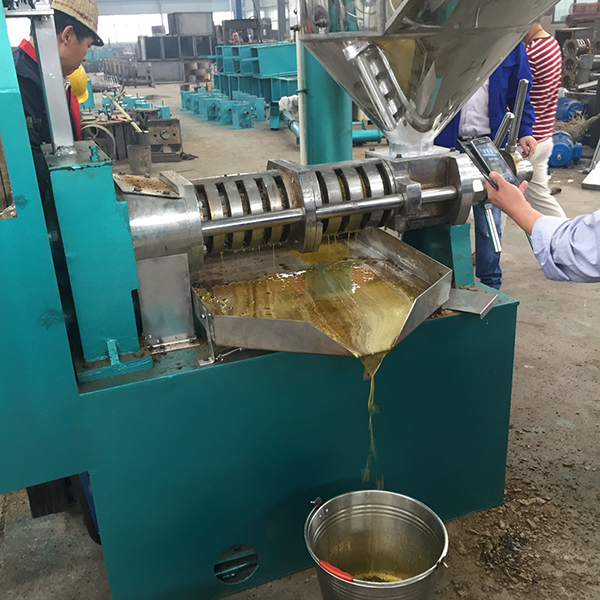
The following sequence is designed for repeatability—so the run data can be compared across batches, operators, and R&D iterations. Adjust only one variable at a time when optimizing.
Walnut oil extraction with supercritical CO₂ typically targets lipid solubility while limiting thermal stress. A practical lab approach is to run a two-stage profile:
Keep continuous logs of pressure, temperatures (inlet/outlet), CO₂ flow, separator pressure, and collection mass. Good labs also record ambient conditions and operator actions to explain run-to-run variance.
Cleanliness is not cosmetic—it is data integrity. Use your lab-approved procedure for flushing lines, cleaning separators, and drying the system. Replace or regenerate filters on schedule, and always document cleaning completion before the next run.
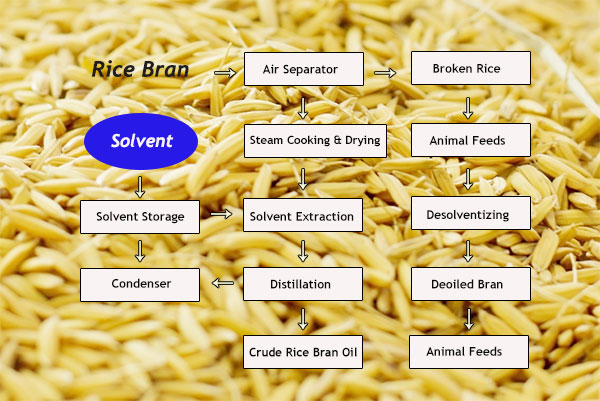
Supercritical CO₂ solvating power rises mainly with pressure (via density) and shifts with temperature (via volatility/diffusivity). For walnut oil, an R&D-friendly window often balances yield and nutrient retention without harsh solvents.
| Parameter | Typical Lab Range (Walnut Oil) | Primary Impact | Operational Watch-Out |
|---|---|---|---|
| Extraction Pressure | 200–350 bar | Higher density → higher oil solubility and faster recovery | Higher pressure amplifies leaks and seal wear; monitor pressure ripple |
| Extraction Temperature | 40–60°C | Affects selectivity; moderate temps help preserve aroma-sensitive fractions | Temperature drift changes solvent power; stabilize before run start |
| CO₂ Mass Flow | 5–25 g/min (bench lab) | Controls contact time and mass transfer rate | Too high → channeling, lower efficiency; too low → long cycles |
| Separator Pressure (1st) | 60–120 bar | Drives oil drop-out and fractionation behavior | Abrupt drops can cause foaming and carryover into vent lines |
| Run Time | 60–180 min (R&D) | Defines total solvent-to-feed ratio (key driver of yield) | Longer is not always better; watch diminishing returns |
In controlled lab comparisons, teams often observe that improving bed uniformity and reducing pressure fluctuations can increase effective extraction efficiency by 10–25% even before changing chemistry. With a standardized SOP and consistent logging, many R&D groups report cycle-to-cycle time savings that can translate into ~30% higher development throughput for parameter screening—simply because fewer runs are discarded for instability or poor repeatability. Master this operating guide, and your walnut oil R&D efficiency can improve by 30%+ under typical lab constraints.
Supercritical CO₂ is widely considered a green extraction medium, but the lab reality is simple: high pressure is the primary hazard. Safe operation depends on conservative ramping, reliable interlocks, and strict venting control.
| Symptom | Most Common Root Cause | What to Check First | Corrective Action |
|---|---|---|---|
| Pressure fluctuates | Pump pulsation, unstable back-pressure valve, micro-leak | Pressure control valve behavior; fitting torque; sensor drift | Tighten/replace seals, tune control loop, verify sensor calibration |
| Flow rate drops | Filter clogging from fines/waxes; bed compaction | Inlet filter, sintered discs, differential pressure trend | Stop and depressurize safely; replace/clean filters; adjust grind/packing |
| Unexpected low yield | Moisture out of range, channeling, insufficient solvent-to-feed ratio | Feed moisture %, particle size distribution, run time & flow totals | Standardize feed prep; increase contact time; refine two-stage profile |
| Oil carries over into lines | Separator setpoint mismatch; too rapid depressurization | Separator pressure/temperature logs; vent path cleanliness | Optimize separator steps; slow down pressure-down; add collection stages |
Preventive maintenance is also a quality system. Labs that follow a fixed checklist tend to see fewer unstable runs, fewer unplanned shutdowns, and more credible comparison data when publishing or transferring processes.
Build repeatable runs, reduce troubleshooting time, and tighten yield consistency. Get the complete Supercritical CO₂ Extraction Operation Manual (PDF) for laboratory-grade workflows, parameter logging templates, and maintenance checklists tailored for walnut oil R&D and small-batch production.

 206
|
206
|
 centrifugal separation technology
palm kernel oil purification
density-based separation principle
decanter centrifuge
disc stack centrifuge
centrifugal separation technology
palm kernel oil purification
density-based separation principle
decanter centrifuge
disc stack centrifuge
 485
|
Palm kernel crusher selection
Palm kernel crushing particle size
Equipment maintenance techniques
Palm kernel oil extraction machinery
Crusher daily maintenance
485
|
Palm kernel crusher selection
Palm kernel crushing particle size
Equipment maintenance techniques
Palm kernel oil extraction machinery
Crusher daily maintenance
 207
|
mustard seed oil refining equipment maintenance
degumming tank care tips
decolorizing tank lifespan extension
refining equipment upkeep guide
oil processing equipment maintenance
269
|
Palm kernel oil distillation
Vacuum distillation
Molecular distillation
Operation mistakes
Oil refining
86
|
palm kernel crushing granular size
oil extraction efficiency
hammer mill vs roller crusher
pressing process optimization
equipment maintenance strategy
207
|
mustard seed oil refining equipment maintenance
degumming tank care tips
decolorizing tank lifespan extension
refining equipment upkeep guide
oil processing equipment maintenance
269
|
Palm kernel oil distillation
Vacuum distillation
Molecular distillation
Operation mistakes
Oil refining
86
|
palm kernel crushing granular size
oil extraction efficiency
hammer mill vs roller crusher
pressing process optimization
equipment maintenance strategy