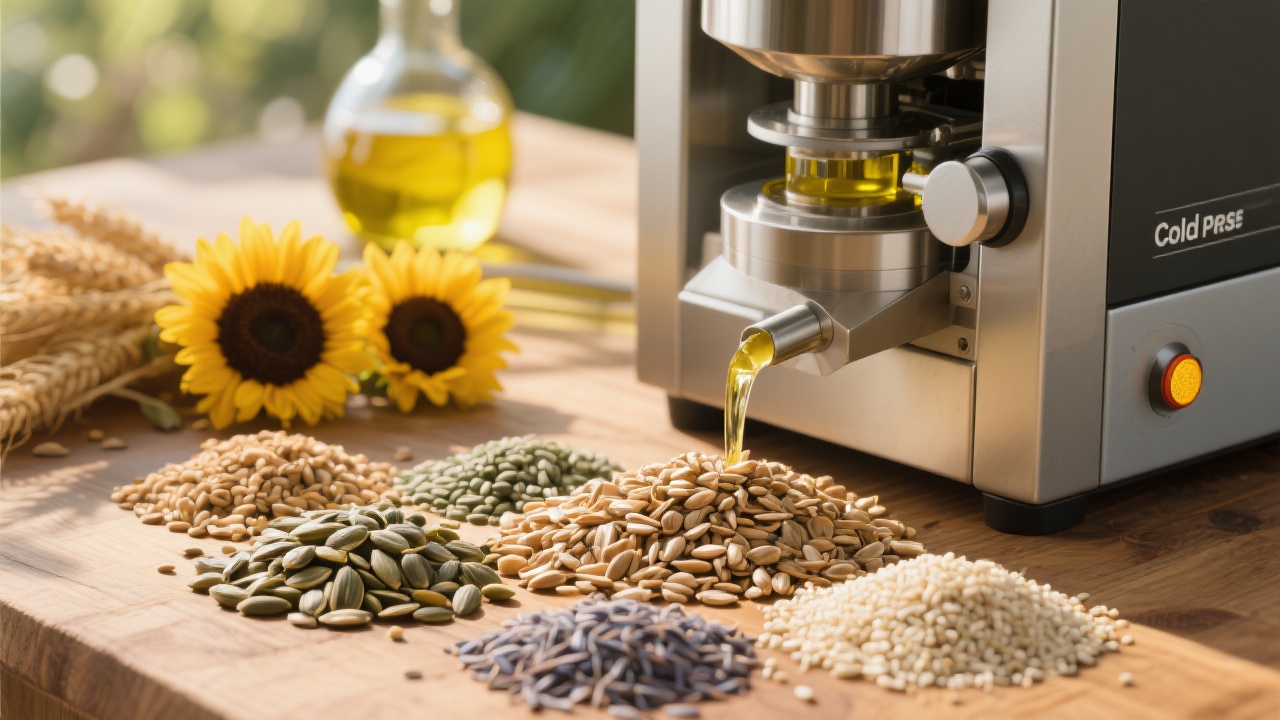
Why has cold-pressed sunflower oil become the darling of the high-end edible oil market? This article delves deep into the full-process application of low-temperature pressing technology in sunflower oil production. From raw material screening to low-temperature refining, every step strictly controls the temperature (below 60°C) to ensure that the flavor and nutrition are not lost. Through a scientific comparison of the differences in sensory characteristics, vitamin E, and polyphenol content between cold-pressed and hot-pressed oils, it reveals how the cold-pressing process meets the needs of the upgraded health consumption. At the same time, it provides practical suggestions on equipment selection, quality testing, and label compliance for small and medium-sized enterprises to help them create differentiated high-end products. Click to learn about advanced cold-pressing equipment solutions and embark on the road to high-quality oil products.
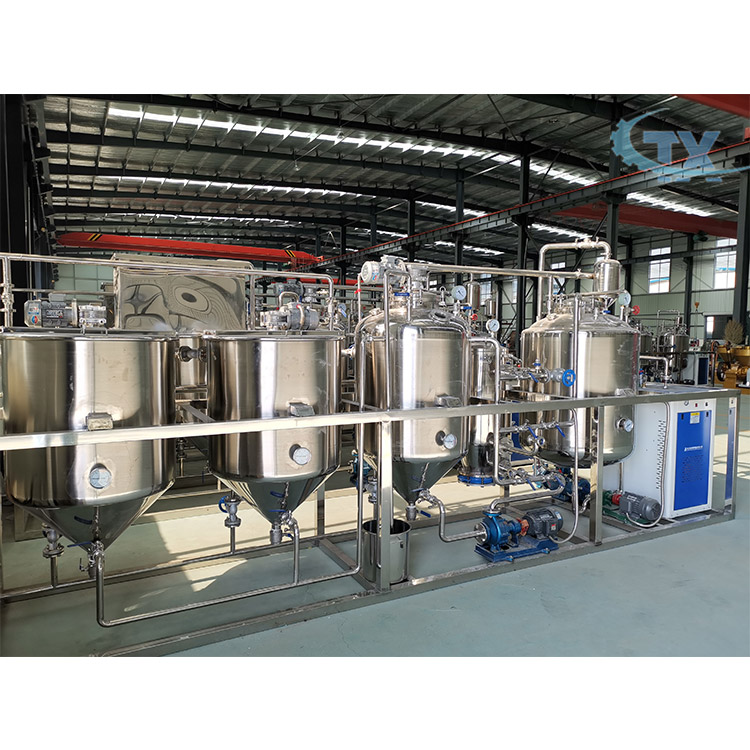
The process of cold-pressed sunflower oil includes raw material screening, low-temperature crushing, gentle pressing, precise filtration, and low-temperature refining. Temperature control plays a crucial role in retaining active ingredients. For example, during the whole process, keeping the temperature below 60°C can effectively preserve the vitamins, plant sterols, and polyphenols in sunflower seeds. As shown in the data reference box below, cold pressing can retain more than 90% of vitamin E in sunflower seeds.
Data Reference: Cold pressing retains over 90% of vitamin E in sunflower seeds, while hot pressing may only retain about 60%.
There are significant differences between cold-pressed and hot-pressed oils in terms of sensory experience and nutritional indicators. In terms of sensory experience, cold-pressed oil has a more natural aroma and a milder taste, while hot-pressed oil may have a stronger but sometimes overly pungent smell. Regarding nutritional indicators, according to industry research data, cold-pressed oil contains higher levels of vitamin E, plant sterols, and polyphenols. For instance, cold-pressed sunflower oil can retain up to 95% of plant sterols, while hot-pressed oil retains only about 70%.
Consumers are increasingly concerned about natural, additive-free, and high-nutrition oils. The cold-pressing technology precisely meets this demand. With the improvement of living standards, consumers are willing to pay more for healthier and higher-quality edible oils. Cold-pressed sunflower oil, with its rich nutrition and natural flavor, has become the first choice for many health-conscious consumers.
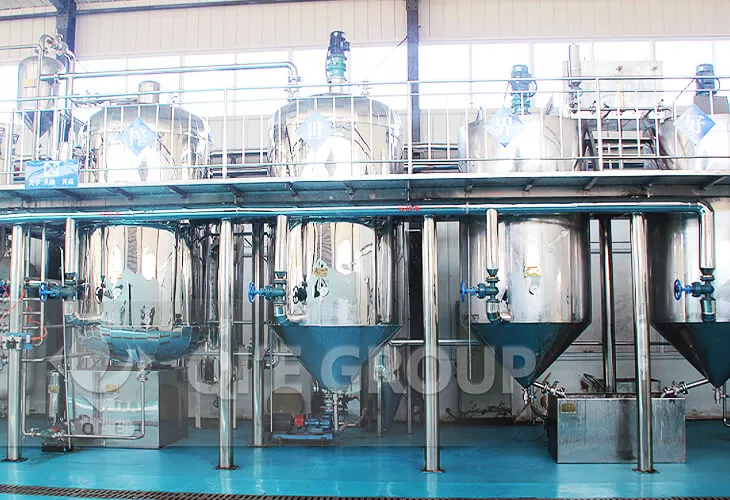
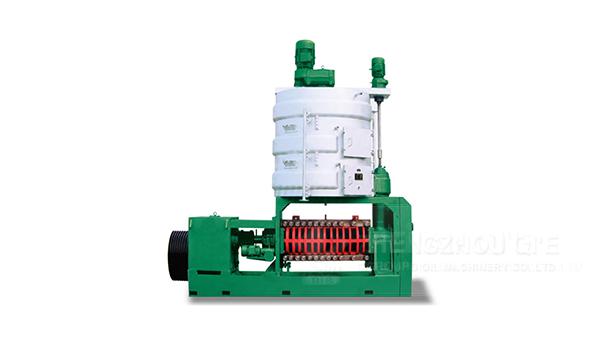
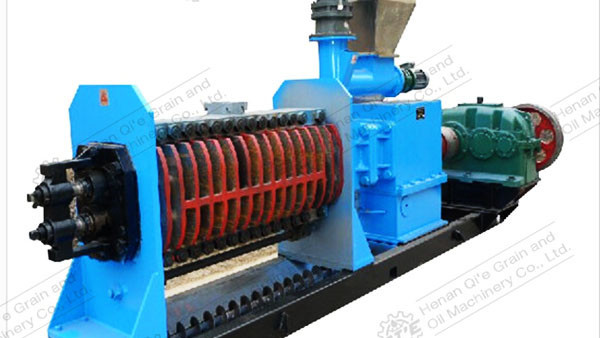
For small and medium-sized enterprises, choosing suitable cold-pressing equipment is the first step. When selecting equipment, factors such as production capacity, oil quality requirements, and cost should be considered. In addition, setting key quality detection parameters, such as acid value and peroxide value, is essential to ensure product quality. Moreover, enterprises must comply with national label regulations to provide consumers with accurate product information.
Q: Is the oil yield of cold pressing low?
A: Although the oil yield of cold pressing is generally slightly lower than that of hot pressing, the quality of cold-pressed oil is much higher. The loss of oil yield can be compensated by the premium price of high-quality products in the market.
Q: Can cold-pressed oil be stored for a long time?
A: Cold-pressed oil contains more antioxidants, such as vitamin E and polyphenols, which can effectively prevent oxidation. Therefore, under proper storage conditions, cold-pressed oil can be stored for a relatively long time.
If you are interested in learning more about advanced cold-pressing equipment solutions and want to start your journey towards high-quality oil products, click here to further consult or download our white paper.

 156
|
156
|
 Rice Bran Oil Extraction Machinery
Oil Extraction Machinery for Rice Bran
Efficient Rice Bran Oil Extraction
Rice Bran Oil Extraction Machinery
Oil Extraction Machinery for Rice Bran
Efficient Rice Bran Oil Extraction
 474
|
Cottonseed oil production line
Grain and oil machinery and equipment
Cottonseed Oil Processing
Efficient energy
Technical Support
Customization
Environmentally friendly refining
QIE Group
474
|
Cottonseed oil production line
Grain and oil machinery and equipment
Cottonseed Oil Processing
Efficient energy
Technical Support
Customization
Environmentally friendly refining
QIE Group
 479
|
small-scale palm oil production line equipment
high oil yield extraction equipment
customizable palm oil equipment
479
|
small-scale palm oil production line equipment
high oil yield extraction equipment
customizable palm oil equipment
 354
|
Sunflower oil pressing technology
Physical pressing oil yield
Nutrient retention process
Edible oil processing equipment
Press operation skills
354
|
Sunflower oil pressing technology
Physical pressing oil yield
Nutrient retention process
Edible oil processing equipment
Press operation skills
 480
|
Cottonseed Oil Extraction Machinery
Cottonseed Oil Processing
Oil Extraction Machinery
Industrial Cottonseed Oil Production
Refining Equipment for Cottonseed Oil
Cottonseed Oil Yield Improvement
Eco-friendly Cottonseed Oil Machinery
Automated Cottonseed Oil Extraction
Cottonseed Oil Processing Technology
Cottonseed Oil Production Efficiency
480
|
Cottonseed Oil Extraction Machinery
Cottonseed Oil Processing
Oil Extraction Machinery
Industrial Cottonseed Oil Production
Refining Equipment for Cottonseed Oil
Cottonseed Oil Yield Improvement
Eco-friendly Cottonseed Oil Machinery
Automated Cottonseed Oil Extraction
Cottonseed Oil Processing Technology
Cottonseed Oil Production Efficiency





.jpg?x-oss-process=image/resize,m_fill,h_300,w_300/format,webp)