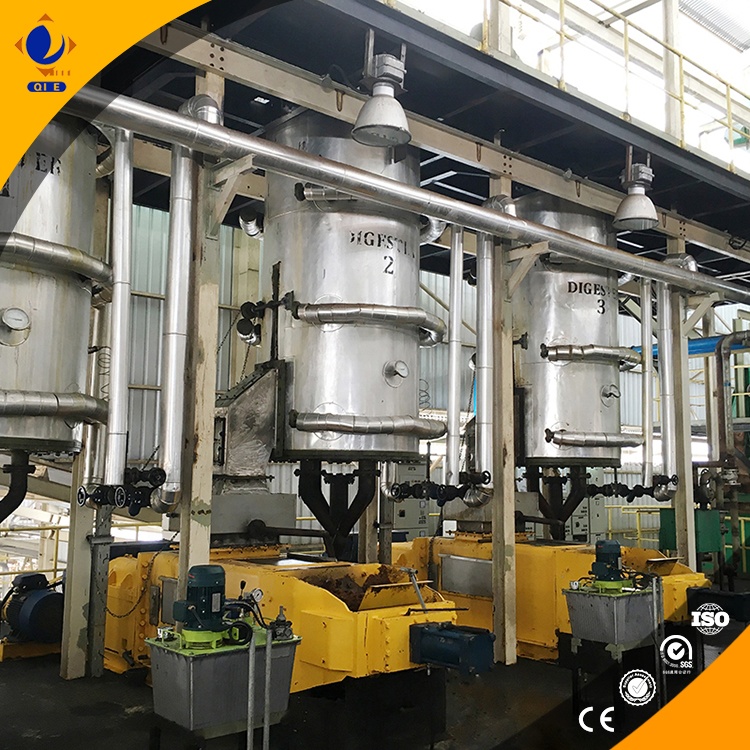
In the high-end edible oil market, the low-temperature pressing technology has emerged as a game-changer, especially in the production of cold-pressed sunflower oil. This article comprehensively analyzes the key applications of this technology, offering in - depth insights for industry players.
The production of cold-pressed sunflower oil starts with raw material screening. According to industry research, high - quality sunflower seeds with a moisture content of around 8 - 10% are ideal for low - temperature pressing. These seeds should be free from mold, pests, and other contaminants. As a study from the International Edible Oil Research Institute shows, proper raw material selection can improve the final oil quality by up to 30%.
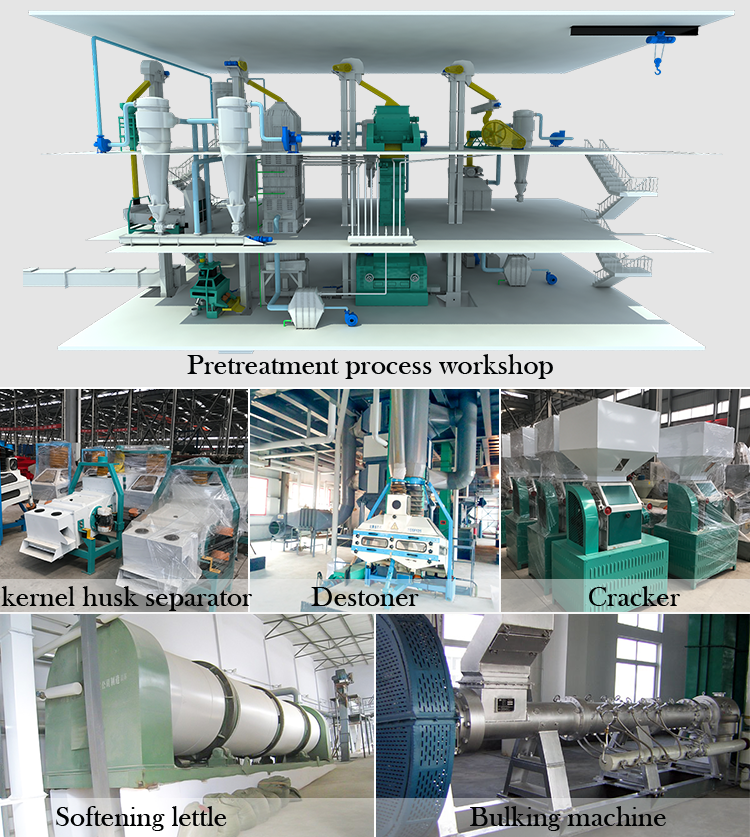
After screening, the low - temperature crushing process comes into play. This step is crucial as it affects the active ingredients in the oil. At a temperature controlled below 40°C, the crushing process can effectively preserve the natural antioxidants and vitamins in the sunflower seeds. Research indicates that compared with traditional high - temperature crushing, low - temperature crushing can retain up to 90% of the original active ingredients in the seeds.
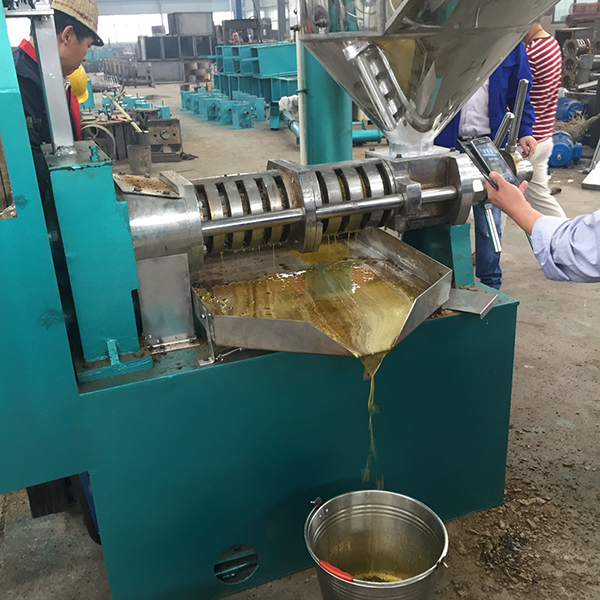
Gentle pressing is another key stage in maintaining the natural flavor of the oil. By applying a slow and steady pressure, the oil is extracted without generating excessive heat. A comparison between cold - pressed and hot - pressed oils reveals that cold - pressed oil has a more delicate and pure flavor. In a sensory evaluation, over 80% of participants preferred the taste of cold - pressed sunflower oil over hot - pressed ones.

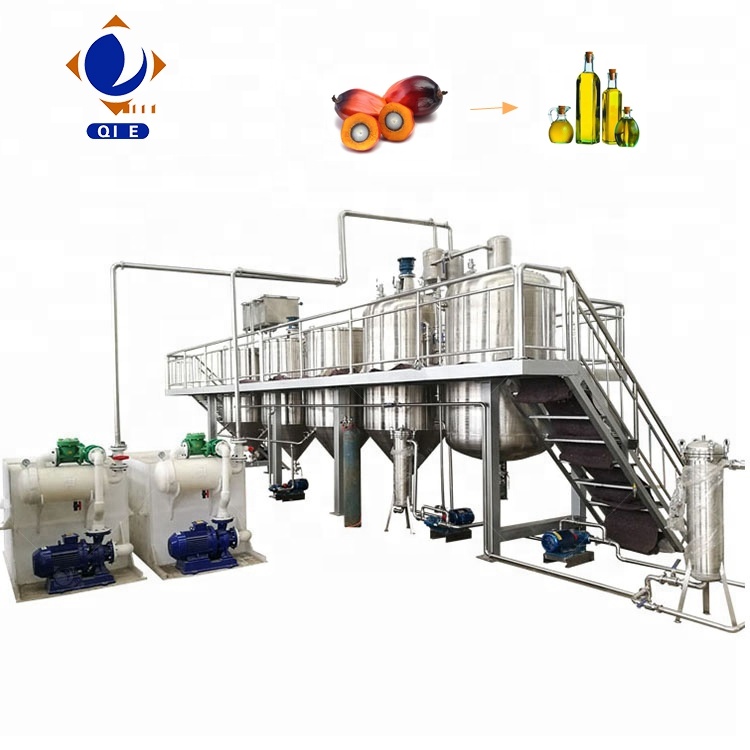
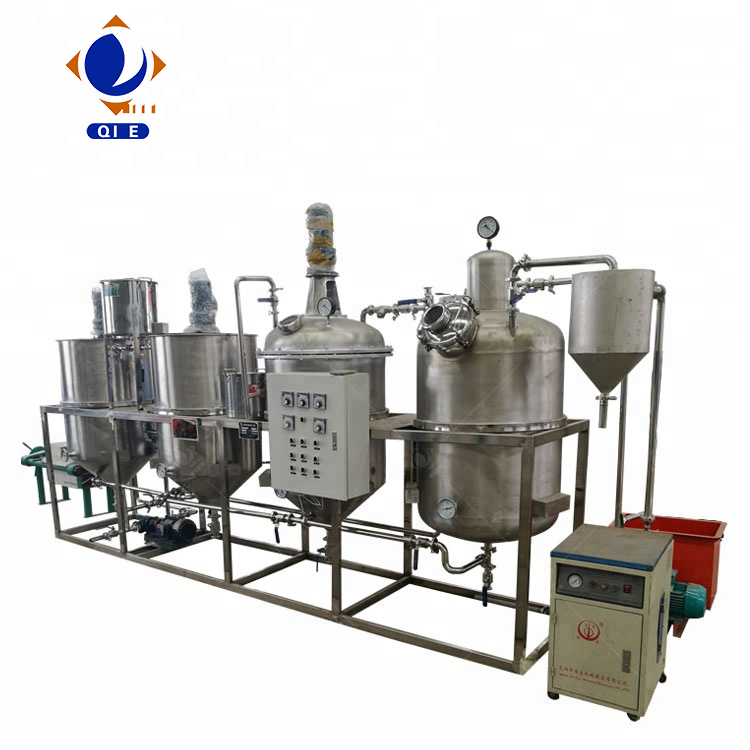
Precision filtration and low - temperature refining are essential for removing impurities while preserving the nutritional value of the oil. During the filtration process, a multi - layer filter system can effectively remove fine particles. In the low - temperature refining stage, the temperature is usually kept below 60°C to prevent the loss of nutrients. Studies suggest that low - temperature refining can retain up to 85% of the original nutritional components in the oil.
When it comes to sensory qualities and nutritional values, cold - pressed and hot - pressed oils show significant differences. Cold - pressed oil has a lighter color, a more natural aroma, and a higher content of unsaturated fatty acids. Research from the European Food Research Center indicates that cold - pressed sunflower oil contains up to 20% more unsaturated fatty acids than hot - pressed oil, which is beneficial for heart health.
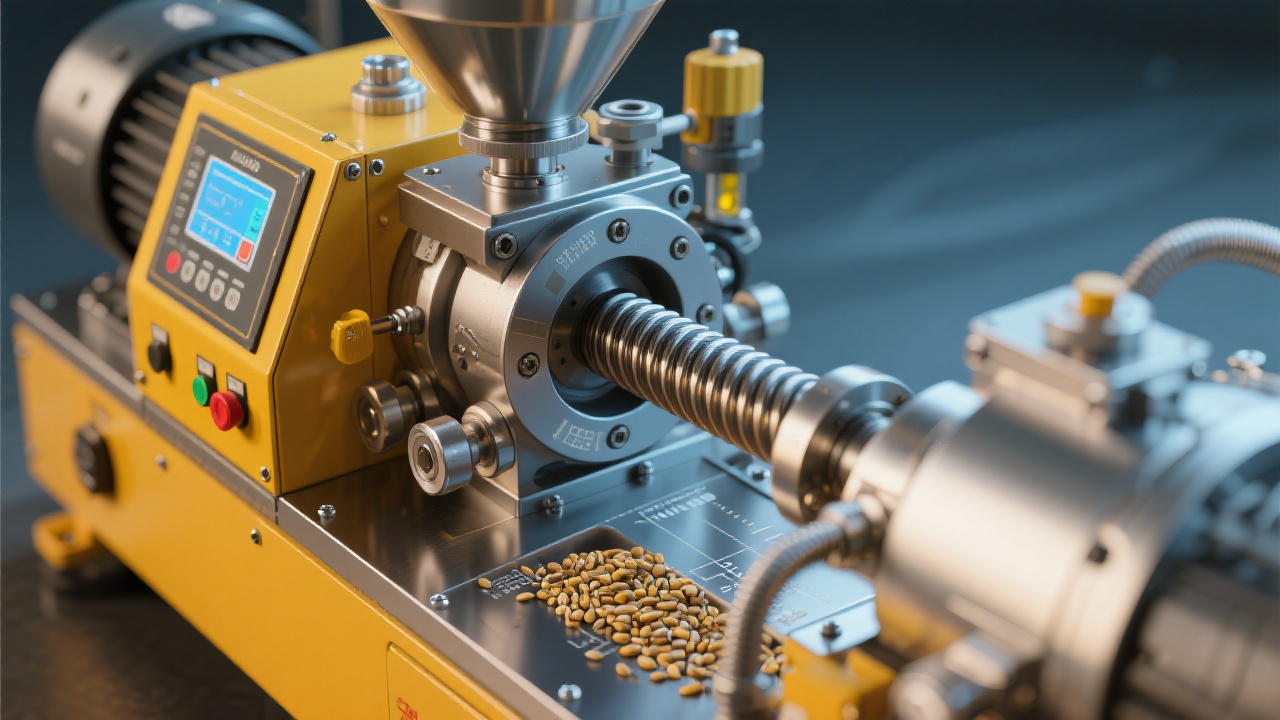
For small and medium - sized enterprises and boutique brands, equipment selection is a critical factor. When choosing cold - pressing equipment, parameters such as pressing capacity, temperature control accuracy, and energy consumption should be considered. Additionally, establishing a comprehensive quality inspection system is essential. Key indicators include acid value, peroxide value, and fatty acid composition. Regarding label compliance, brands need to accurately label the oil's origin, production process, and nutritional information to meet regulatory requirements.
Are you interested in enhancing your high - end edible oil production? To learn more about advanced cold - pressing equipment solutions that can help you achieve better product quality and market competitiveness, click here.

 68
|
68
|
 Palm Kernel Oil Extraction Machinery
Oil Extraction Machinery
High-Quality Palm Kernel Oil
Efficient Oil Extraction Process
Advanced Palm Kernel Oil Equipment
Sustainable Palm Oil Processing
Reliable Oil Extraction Technology
Cost-Effective Oil Production
Innovative Palm Kernel Oil Solutions
Palm Kernel Oil Extraction Machinery
Oil Extraction Machinery
High-Quality Palm Kernel Oil
Efficient Oil Extraction Process
Advanced Palm Kernel Oil Equipment
Sustainable Palm Oil Processing
Reliable Oil Extraction Technology
Cost-Effective Oil Production
Innovative Palm Kernel Oil Solutions
 134
|
supercritical CO₂ sesame oil extraction
green oil extraction technology
supercritical CO₂ extraction equipment
sesame oil quality enhancement
eco-friendly oil processing
134
|
supercritical CO₂ sesame oil extraction
green oil extraction technology
supercritical CO₂ extraction equipment
sesame oil quality enhancement
eco-friendly oil processing
 404
|
QIE Group
Isolated Soy Protein
Non-GMO
Environmental friendly
high protein
Nutritional Supplements
food processing
B2B Export
Quality Assurance
Personalization
404
|
QIE Group
Isolated Soy Protein
Non-GMO
Environmental friendly
high protein
Nutritional Supplements
food processing
B2B Export
Quality Assurance
Personalization
 179
|
customizable palm oil processing line
advanced palm oil production technology
optimized oil extraction solutions
179
|
customizable palm oil processing line
advanced palm oil production technology
optimized oil extraction solutions
 233
|
sunflower oil extraction
solvent extraction method
hexane oil recovery
energy-efficient oil processing
oilseed refining equipment
233
|
sunflower oil extraction
solvent extraction method
hexane oil recovery
energy-efficient oil processing
oilseed refining equipment