Operating a manual sunflower oil extractor starts with understanding how the press works—not simply turning a handle. Seed condition, steady feeding, correct adjustment, and clean oil-contact surfaces all influence the pressing process.
Qi'e Grain and Oil Machinery Co., Ltd. provides grain and oil processing equipment alongside design, installation, and technical services. This guide helps small-scale processors and equipment buyers understand manual sunflower oil pressing. Component layouts, supported adjustments, and operating limits must be confirmed against the actual model and its manufacturer’s instructions.
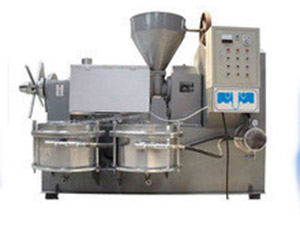
A manual sunflower oil extractor uses operator-applied mechanical force to compress sunflower seeds and release oil. The pressing mechanism depends on the equipment design. Released oil is collected separately from the remaining pressed seed material.
A strainer separates particles from liquid; it does not extract oil from intact seeds. Likewise, rotating seeds alone is not an oil extraction mechanism unless that movement drives a mechanism that applies effective mechanical pressure.
Temperature conditioning may form part of a particular pressing process, but heating is not a universal requirement for every manual extractor. Use only the preparation and heating method specified for the equipment. Do not assume that a manually operated press is automatically suitable for cold-press production.
More force does not necessarily mean better extraction. Excessive restriction or loading can increase operating resistance. Oil output depends on seed characteristics, preparation, equipment condition, and the pressing process; a fixed oil yield cannot be guaranteed.
Treat changes in output or operating effort as signals to check the process—not as a reason to increase force immediately.
| Observation | Checks to make | Practical response |
|---|---|---|
| Low oil output | Seed condition, required preparation, feed consistency, outlet obstruction, and supported press settings. | Check one factor at a time. Restore the recommended setup rather than tightening indiscriminately. |
| High resistance or interrupted discharge | Overfeeding, foreign material, blocked discharge, or an unsuitable adjustment. | Stop operation. Inspect and clear the equipment only after movement has stopped and stored force has been safely released. |
| Visible sediment in collected oil | Seed cleanliness, collection-container cleanliness, and the initial filtration arrangement. | Review cleaning and filtration. Sediment removal alone does not establish edible-oil quality or safety. |
After pressing, stop the mechanism, release any stored pressure as instructed, and allow heated parts to cool where applicable. Disconnect any powered accessory before cleaning or servicing it.
Screening, settling, or other suitable clarification steps can reduce suspended particles in pressed sunflower oil. They do not replace a complete refining process or remove every unwanted constituent. Whether further processing is necessary depends on the oil’s condition, intended use, and applicable food requirements. Do not assume that freshly pressed, filtered oil is ready for commercial edible-oil sale.
Manual operation, electric drive, and commercial-scale use describe different aspects of equipment selection. A commercial extractor may be electrically driven; the labels are not mutually exclusive. Buyers should assess the actual pressing mechanism, operating workload, seed preparation requirements, cleaning access, and downstream oil treatment needs.
For a sunflower oil processing project, share your seed condition, intended production scale, available utilities, and final oil requirements with Qi'e. These details provide a practical basis for discussing sunflower oil extraction equipment and any required filtration or refining stages. Confirm model-specific specifications and instructions before purchase or operation.

 282
|
 Qi'e Group edible oil processing equipment edible oil production line oil pressing equipment sunflower seed oil extraction machine
 385
|
Qi'e Grain and Oil Machinery Co., Ltd. edible oil processing equipment edible oil production line oil pressing equipment edible oil refining equipment
 313
|
Qi'e Group grain and oil machinery EPC delivery installation service project management
 337
|
Qi'e Grain and Oil Machinery Co., Ltd. mustard oil extraction mustard seed oil press machine mustard oil production line mustard oil processing plant
54
|
Qi'e Grain and Oil Machinery Co., Ltd. cold press oil machine hot pressing process vegetable oil solvent extraction oil extraction process selection