Operating a manual sunflower oil extractor requires more than feeding seeds and turning a handle. Consistent oil flow depends on suitable seed preparation, correct press assembly, steady feeding, and settings appropriate to the equipment.
Qi'e Grain and Oil Machinery Co., Ltd. provides this guide for small-scale processors and equipment buyers evaluating sunflower seed pressing. It explains typical component functions, safe operation, low oil output checks, and cleaning practices. Equipment construction and adjustment methods vary, so the instructions supplied with the actual machine take priority.
Key operating principle: Sunflower oil extraction requires mechanical pressure to release oil from the seeds. Simply rotating seeds in a strainer does not extract their oil. A strainer is useful for cleaning seeds or separating coarse particles from oil after pressing.
A manual sunflower oil extractor uses operator-applied force to compress prepared seeds. In a hand-driven screw press, turning the handle moves seeds through the pressing chamber, where compression releases oil. Oil and pressed residue leave through their respective discharge paths. Other manual press designs may use a different compression mechanism.
Heating requirements are model- and process-dependent. Some presses require conditioning or an approved heating arrangement; others are intended for operation without added heat. Do not assume every manual extractor needs heating, or that operation without added heat automatically establishes a cold-pressed product claim.
This is a general component guide, not a specification for a particular Qi'e model.
Safety boundary: Keep fingers and tools out of feed and discharge openings during operation. Never use an improvised handle extension to overcome a jam. Stop the press before clearing obstructions or dismantling components; disconnect any fitted electrical heater according to its instructions.
Low oil flow does not identify a single fault. Check the raw material, feeding conditions, assembly, and discharge paths before changing press settings. Compare observations under similar conditions rather than judging performance from one short run.
| Observation | Possible checks | Practical next step |
|---|---|---|
| Little oil despite continuous feeding | Seed suitability, moisture condition, required preparation, and pressing component assembly | Verify the seed preparation requirements and assembly instructions before adjusting compression. |
| Handle becomes unusually difficult to turn | Overfeeding, foreign material, blocked discharge, or an unsuitable adjustment | Stop and inspect safely. Do not force the handle or tighten settings further. |
| Oil flow is intermittent | Uneven feeding, material bridging at the inlet, or inconsistent seed condition | Use a controlled feed and consistent seed preparation. Clear bridging only after stopping. |
| Oil collects inside instead of draining | Blocked oil outlet or incorrect positioning | Stop, clean accessible discharge paths as instructed, and confirm mounting orientation. |
| Low output continues after basic checks | Worn pressing parts, model limitations, or settings requiring technical review | Record the model, seed preparation, settings, and symptoms for supplier assessment. |
Avoid diagnosing yield by appearance alone. Oily-looking residue may justify further investigation, but it does not quantify residual oil or extraction efficiency.
After operation, remove retained seed material and residue from accessible areas. Dismantle only the parts identified as removable in the equipment instructions. Use approved cleaning methods, dry cleaned components as required, and inspect pressing surfaces, fasteners, and mounting points before reassembly.
Settling and suitable filtration can separate suspended seed particles from pressed oil. They do not establish that the oil meets food safety, shelf-life, or market requirements. Initial filtration does not replace complete refining where required, appropriate testing, or hygienic storage and handling.
Manual pressing should be assessed against available operator effort, intended throughput, seed preparation needs, and product requirements. For sustained commercial production, equipment selection should also consider feeding consistency, downstream filtration or refining, utilities, and maintenance access.
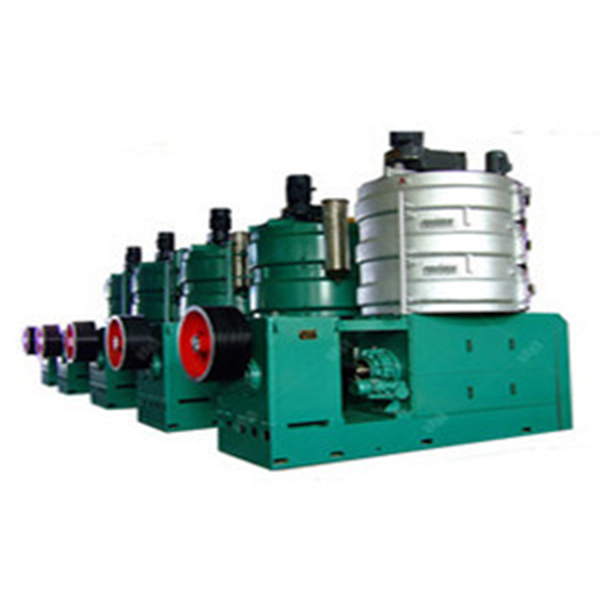
Qi'e provides oil pressing equipment, oil production line equipment, and oil refining equipment, alongside design, installation, and technical services. To discuss a suitable configuration, provide your sunflower seed condition, intended processing volume, available utilities, and desired final oil product.
Explore Qi'e sunflower oil extraction equipment and confirm the actual model's operating method, preparation requirements, and supplied accessories before purchasing.

 437
|
 Qi'e Grain and Oil Machinery Co., Ltd. sunflower oil extraction machine sunflower oil processing line edible oil refining equipment oil processing plant turnkey solution
 385
|
Qi'e Grain and Oil Machinery Co., Ltd. edible oil processing equipment edible oil production line oil pressing equipment edible oil refining equipment
 171
|
Qi'e Grain and Oil Machinery Co., Ltd. grain and oil machinery solutions oil pressing production line edible oil refining equipment oil processing installation and technical services
 282
|
Qi'e Group edible oil processing equipment edible oil production line oil pressing equipment sunflower seed oil extraction machine
 183
|
Qi'e Grain and Oil Machinery grain and oil machinery solutions edible oil production line oil pressing and refining equipment turnkey oil processing plant