A manual sunflower oil extractor can be suitable for occasional, small-batch processing when seed quantities are limited, labor is available, and powered equipment is not yet justified. It is less suitable when a project needs regular output, predictable delivery schedules, or sustained commercial production.
Qi'e Grain and Oil Machinery Co., Ltd. provides grain and oil processing equipment alongside design, installation and technical services. For households, community processing projects and startup trials, equipment selection should begin with the available seeds, intended use of the oil and practical operating conditions—not the purchase price alone.
A manual sunflower oil extractor uses human-powered mechanical pressure to release oil from prepared sunflower seeds. Its suitability depends on the press design, seed condition, operator effort and the amount of material to be processed.
Manual pressing is not the same as passing seeds through a strainer. A strainer can separate particles from liquid already extracted, but it does not provide the pressure needed to extract oil from intact seeds. Mechanical pressing is also distinct from solvent extraction, which requires a different process and supporting equipment.
Manual pressing may be practical when small quantities are processed infrequently and the operator accepts the physical effort involved. Cleaning, suitable oil collection and proper storage remain necessary, even when the oil is not sold.
A manual setup may help assess locally available seeds and establish basic processing routines. Shared projects should consider operator availability, cleaning between batches and whether processing can keep pace with incoming seed supplies.
Small trials can help identify raw-material and handling requirements before committing to a larger installation. However, manual trial results should not be treated as proof of commercial throughput, production cost or future profitability.
Global sunflower oil market trends matter to small processors through local seed availability, purchase costs, competing oil prices and customer demand. Their practical impact varies by location. Projects in Asia, Africa and South America should use current local information rather than assume that a wider market shift automatically creates a profitable processing opportunity.
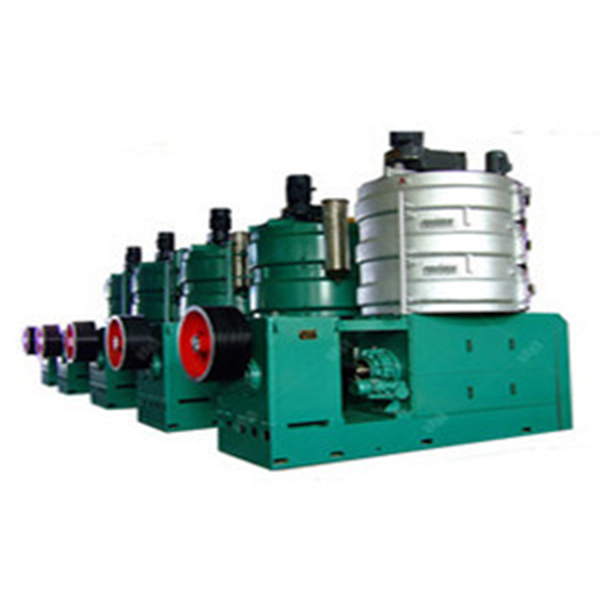
“Manual” and “electric” describe how equipment is powered; “commercial” describes its intended application. An electric press can also be commercial equipment. The comparison below provides selection guidance, not model-specific performance specifications.
| Selection factor | Manual press | Electric press | Commercial processing setup |
|---|---|---|---|
| Operating effort | Relies on human effort to drive pressing. | Motor-driven pressing; feeding and handling may still be manual. | Staffing depends on the selected equipment and automation level. |
| Processing schedule | Consider for occasional batches and limited trials. | Consider when repeated manual pressing becomes impractical. | Assess for regular production and coordinated processing stages. |
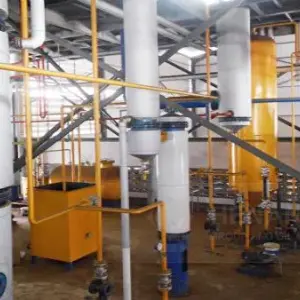
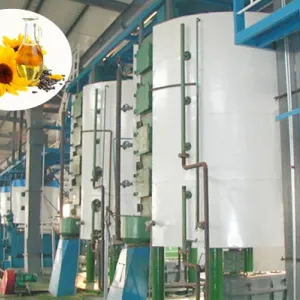
| Supporting equipment | Seed cleaning, oil collection, filtration and storage still need planning. | Confirm power supply, safety provisions and downstream handling. | Coordinate preparation, extraction, filtration, storage and any required refining. |
| Purchase decision | Balance initial cost against labor and usable output. | Verify suitability for the seeds, operating hours and available electricity. | Evaluate the complete process, installation requirements and service scope. |
Oil quality depends on raw materials, processing conditions and post-processing. Neither manual extraction nor a particular machine establishes organic status; any organic claim requires compliance with the relevant certification rules.
Consider powered equipment or a commercial setup when manual effort limits production, seed batches wait too long for processing, or recurring orders require a more dependable schedule. Upgrading should address the actual bottleneck: a larger press alone will not solve inadequate cleaning, filtration or storage capacity.
Before deciding, record seed input, collected oil, operating time, labor hours and handling losses over representative trials. Use those observations to discuss equipment requirements with the supplier. Confirm model-specific capacity, utilities, included components and maintenance needs rather than relying on general equipment labels.
For an equipment discussion, share your project location, available seed quantity, intended processing schedule, electricity supply and whether the oil is for household use or commercial sale. These details help establish whether a small press or a more integrated processing arrangement should be evaluated.
Explore Qi'e’s sunflower oil extraction equipment and small oil mill options. Confirm the available configuration and service scope for your project before purchasing.

 463
|
 Qi'e Grain and Oil Machinery edible oil processing equipment oil pressing production line oil refining equipment vegetable oil processing
 401
|
Qi'e Grain and Oil Machinery Co., Ltd. oil processing production line oil pressing equipment selection vegetable oil solvent extraction equipment edible oil refining equipment
368
|
Qi'e Grain and Oil Machinery grain and oil machinery project edible oil plant construction complete equipment delivery equipment installation and commissioning
 468
|
edible oil production line equipment oil pressing equipment oil refining equipment mustard oil extraction Qi'e Grain and Oil Machinery Co., Ltd.
 380
|
Qi'e Grain and Oil Machinery Co., Ltd. grain and oil processing equipment selection oil pressing production line vegetable oil solvent extraction equipment edible oil refining equipment