Mustard Oil Extraction Equipment and Processing Line Solutions
2026-09-19
Qi'e Grain and Oil Machinery Co., Ltd.
Concept Explanation
Qi'e Grain and Oil Machinery explains mustard oil extraction equipment, from seed cleaning and pressing machines to filtration, storage and integrated oil processing line planning.
Mustard oil extraction is the controlled process of converting cleaned mustard seed into crude edible oil, press cake and, where required, prepared oil for downstream refining, storage or packaging. The right production configuration depends on seed condition, desired capacity, extraction method, local utility conditions and the intended oil quality profile.
Qi'e Grain and Oil Machinery Co., Ltd. supplies equipment and process-line solutions for oil mills, food processors and international project buyers seeking to build or upgrade mustard oil processing operations. From seed cleaning and mechanical pressing to filtration, oil storage and packaging integration, each section can be selected as a stand-alone unit or planned as part of a coordinated mustard oil production line.
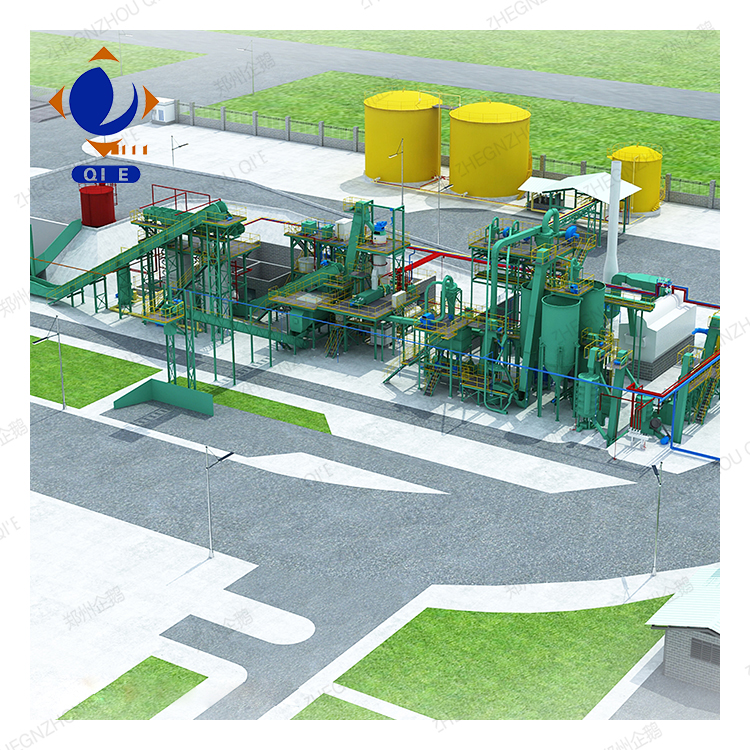
A Practical Mustard Oil Processing Line
A mustard oil production line is not defined by one machine alone. Reliable processing requires each stage to support the next: seeds need to be cleaned before pressing, crude oil needs separation after pressing, and filtered oil needs suitable storage before filling or further treatment.
For a basic mechanical extraction setup, the process commonly follows this sequence:
Mustard seed receiving → cleaning → conditioning or cooking when applicable → pressing → crude oil filtration → oil storage → packaging or downstream refining
Equipment selection should follow the planned process route, capacity and operating requirements.
Core Equipment for Mustard Oil Extraction
Processing Section
Typical Equipment
Primary Function
Seed preparation
Mustard seed cleaning machine
Removes stones, dust and other foreign material before processing.
Seed conditioning
Cooking kettle or seed heating unit
Conditions seeds for hot pressing where the selected process requires heating.
Oil pressing
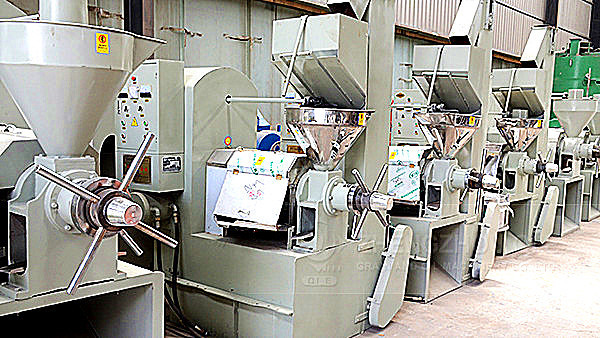
Mustard seed oil press machine / screw oil press
Applies mechanical pressure to extract oil from prepared mustard seed.
Oil clarification
Plate filter press or pressure leaf filter
Separates suspended solids and press residues from crude oil.
Oil handling
Mustard oil storage tanks
Provides orderly holding of extracted and filtered oil before transfer or filling.
Finished-product handling
Filling and packaging equipment
Supports preparation of oil for commercial packaging according to the project scope.
Choosing a Mustard Oil Extraction Method
The extraction route should be selected before finalizing the equipment list. Cold pressing, hot pressing and solvent extraction have different operating conditions and project requirements. A line may be designed around one route or include supporting sections according to the required production plan.
Cold Pressing
Cleaned mustard seeds are pressed under comparatively low-temperature conditions.
Process consideration: Often selected where retaining the oil’s natural flavor characteristics is important. Compared with other methods, oil yield may be lower.
Hot Pressing
Seeds are cleaned, conditioned or cooked, then mechanically pressed at elevated processing temperatures.
Process consideration: Heating can support faster extraction and higher oil yield, while the finished oil profile may differ from cold-pressed oil.
Solvent Extraction
Prepared seed or press cake is treated with an extraction solvent, followed by solvent recovery and oil handling stages.
Process consideration: This route requires more complex equipment, controlled operation and appropriate systems for solvent removal and environmental compliance.
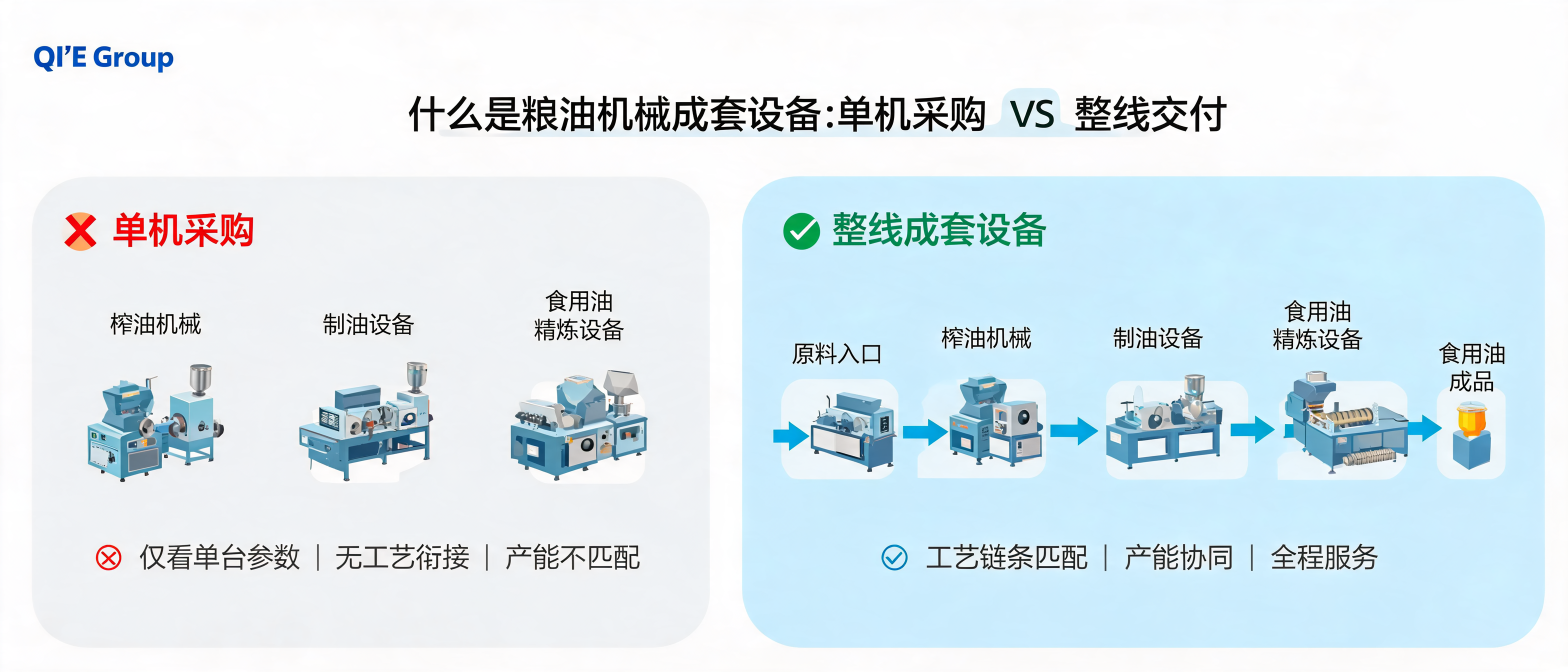
From Individual Machines to an Integrated Line
Qi'e Grain and Oil Machinery can support project planning around the practical connection of equipment sections. The aim is to establish a clear material flow from seed intake through oil handling, rather than simply combining unrelated machines.
2. Set process capacity Establish the intended daily or shift-based seed processing requirement.
3. Select extraction route Choose cold pressing, hot pressing or a solvent-based process according to project needs.
4. Plan oil handling Match filtration, storage, refining and packaging sections to the intended end product.
Key Considerations When Establishing a Mustard Oil Mill
Raw material access: A stable mustard seed supply is fundamental to continuous production planning.
Site and utilities: The proposed location should be evaluated for access to transportation, water, power and the utilities required by the chosen process.
Production scope: Decide whether the project will focus on pressed crude oil, filtered oil, packaged oil, or include downstream edible oil refining equipment.
Quality management: Seed inspection, cleaning, controlled processing and filtration form important parts of consistent oil production.
Regulatory requirements: Food processing permits, operating licenses, safety requirements and local environmental obligations should be reviewed before installation.
Budget planning: A project budget should account for machinery, installation, civil works where needed, utilities, labor, raw materials and ongoing operation.
Equipment Planning with Qi'e Grain and Oil Machinery
Qi'e Grain and Oil Machinery Co., Ltd. develops oil pressing equipment, oil production line equipment and edible oil refining equipment for B2B processing projects. For mustard oil extraction, the suitable configuration can be assessed around your seed type, process route, target capacity and required downstream operations.
Whether the requirement is a compact mustard seed oil press setup or a more complete mustard oil production line with cleaning, pressing, filtration, storage and packaging sections, a defined process scope helps create a practical foundation for equipment selection, installation planning and technical service.
2026-04-16|40|energy-saving solvent recovery systemsmart temperature control for solvent recoverywaste heat utilization in manufacturingclosed-loop solvent recovery designcontinuous production energy efficiency