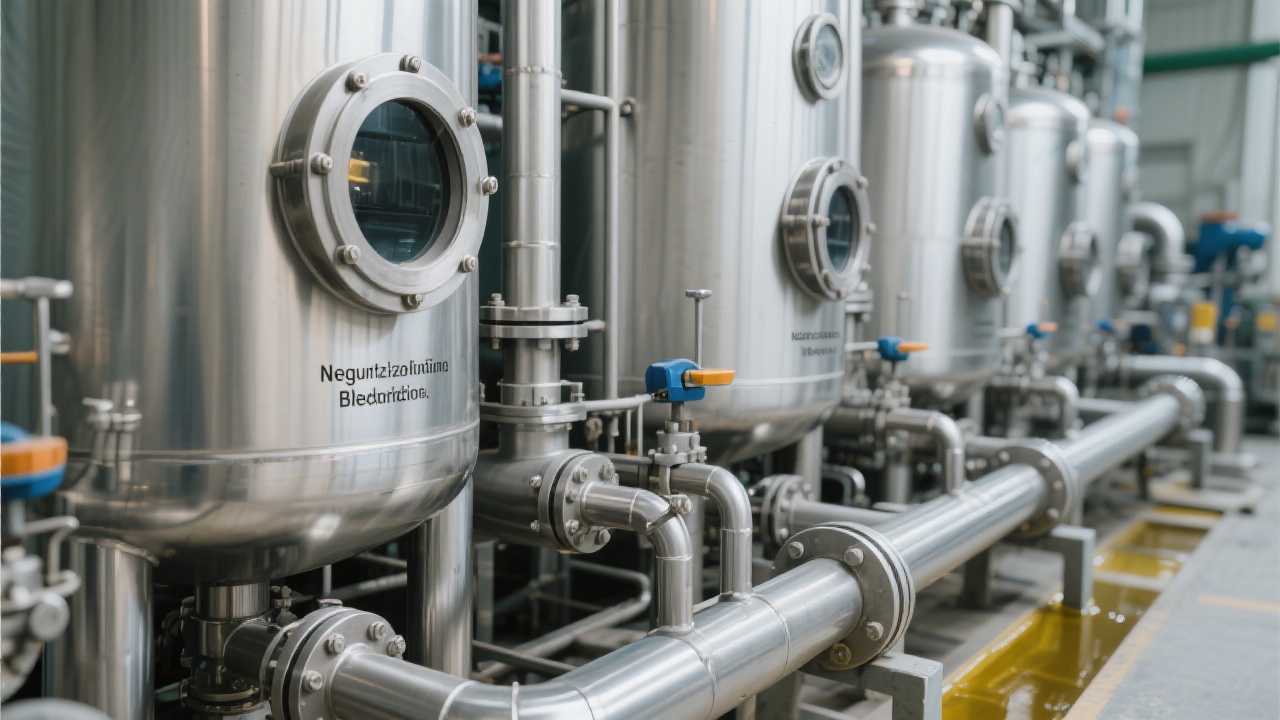
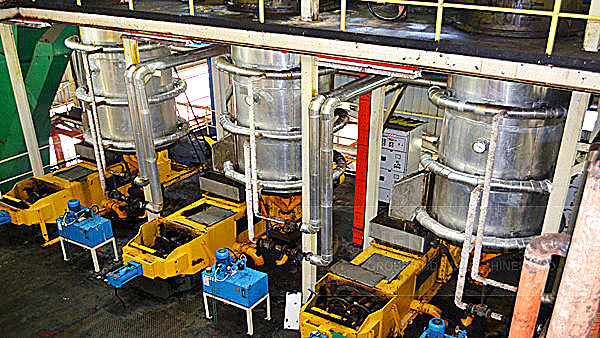
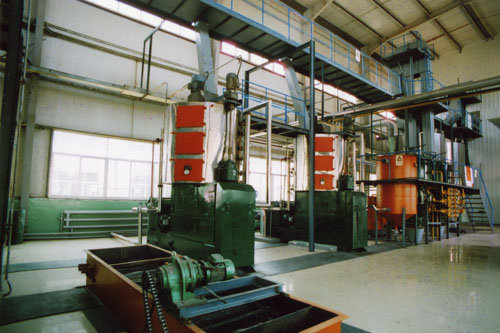
If you operate canola oil refining equipment, particularly the degumming and bleaching tanks, understanding precise maintenance workflows is key to extending equipment lifespan, enhancing oil quality, and reducing costly downtime. This guide, based on hands-on experience and technical data, empowers you to optimize your refining process for consistent, high-quality output.
In the refining sequence, the degumming tank is responsible for removing phospholipids and impurities, while the bleaching tank decolorizes and adsorbs residual contaminants. These vessels face harsh conditions — including fluctuating temperatures often between 60–80°C, abrasive bleaching earth particles, and corrosive elements — which accelerate wear.
The primary failure points you need to watch include:
Several variables directly impact the service life of your degumming and bleaching tanks:
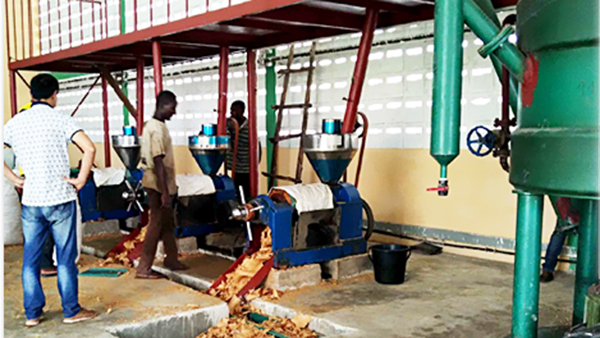
Implementing a rigorous maintenance routine is your best defense. We recommend the following schedule:
| Maintenance Task | Frequency | Details |
|---|---|---|
| Seal inspection and replacement | Quarterly | Check all seals for wear; replace if any brittleness or leaks detected. |
| Internal cleaning and sediment removal | After every batch or weekly | Flush tanks with warm water and approved cleaning agents to remove all adsorbent residues. |
| Lubrication of valves and agitators | Monthly | Apply food-grade lubricant to ensure smooth operation and prevent mechanical wear. |
| Temperature and pressure sensor calibration | Bi-Annually | Verify sensor accuracy to maintain process control fidelity. |
Expert Insight: “Automating routine monitoring with data logging software significantly reduces unexpected faults. Companies that adopted predictive maintenance saw a 25% increase in equipment uptime within 12 months.” – Dr. Helen Zhou, Oil Refining Technology Specialist
Despite best practices, faults do occur. Common issues and recommended responses include:
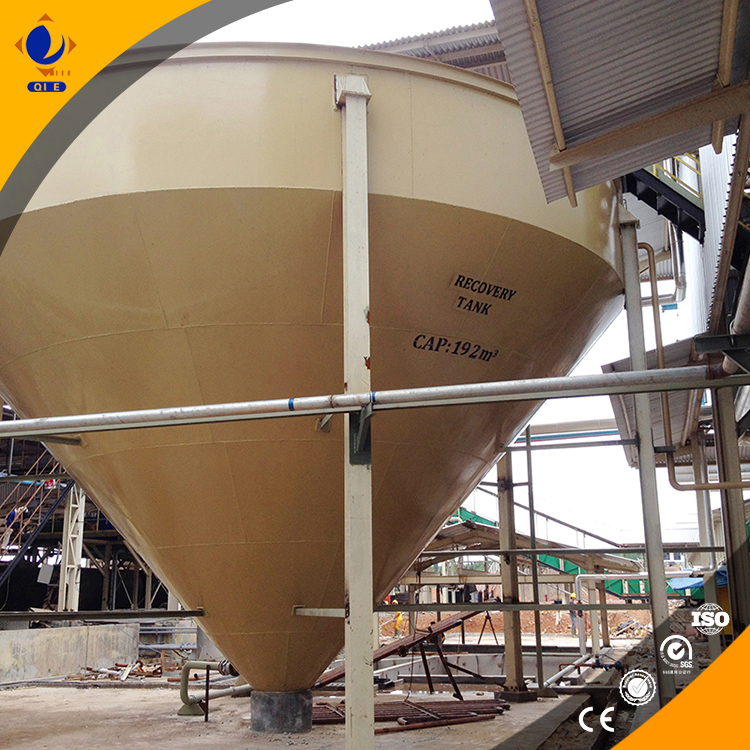
Integrating automated control systems and real-time data tracking allows you to foresee maintenance needs before breakdowns occur, fine-tune operating parameters, and keep your refining process running smoothly. Consider adopting SCADA systems for precision management.
Every processing plant has unique operating conditions. Whether faced with heavier processing loads, frequent temperature fluctuations, or environmental factors, adapt the suggested maintenance intervals and cleaning agents accordingly. Regular operator training on maintenance data collection enhances problem detection and reduces downtime.


 219
|
219
|
 Rice bran oil extraction equipment
Intelligent solvent extraction
Rice bran oil production process
Pretreatment equipment
Refining technology
Rice bran oil extraction equipment
Intelligent solvent extraction
Rice bran oil production process
Pretreatment equipment
Refining technology
 147
|
Palm Fruit Oil Extraction Machinery
Oil Extraction Machinery
Palm Oil Processing Equipment
147
|
Palm Fruit Oil Extraction Machinery
Oil Extraction Machinery
Palm Oil Processing Equipment
 332
|
Palm kernel oil centrifuge
Decanter centrifuge
Disc centrifuge
Oil purification technology
Centrifugal separation principle
332
|
Palm kernel oil centrifuge
Decanter centrifuge
Disc centrifuge
Oil purification technology
Centrifugal separation principle
 384
|
Hydraulic oil press
Screw oil press
Sesame oil extraction equipment
Small - scale oil extraction equipment
Sesame oil pressing process
384
|
Hydraulic oil press
Screw oil press
Sesame oil extraction equipment
Small - scale oil extraction equipment
Sesame oil pressing process
 415
|
Rice Bran Oil Extraction Machinery
High-Quality Rice Bran Oil Extraction
Rice Bran Oil Production Equipment
415
|
Rice Bran Oil Extraction Machinery
High-Quality Rice Bran Oil Extraction
Rice Bran Oil Production Equipment





.jpg?x-oss-process=image/resize,m_fill,h_300,w_300/format,webp)

.jpg)