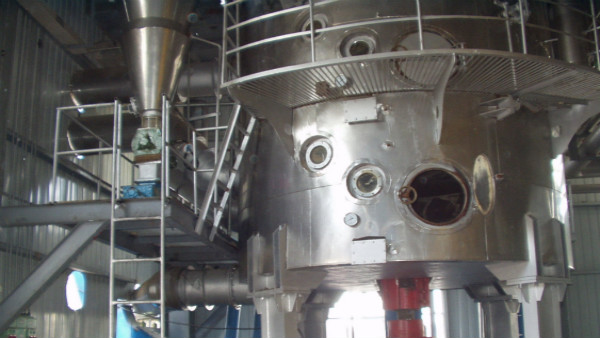
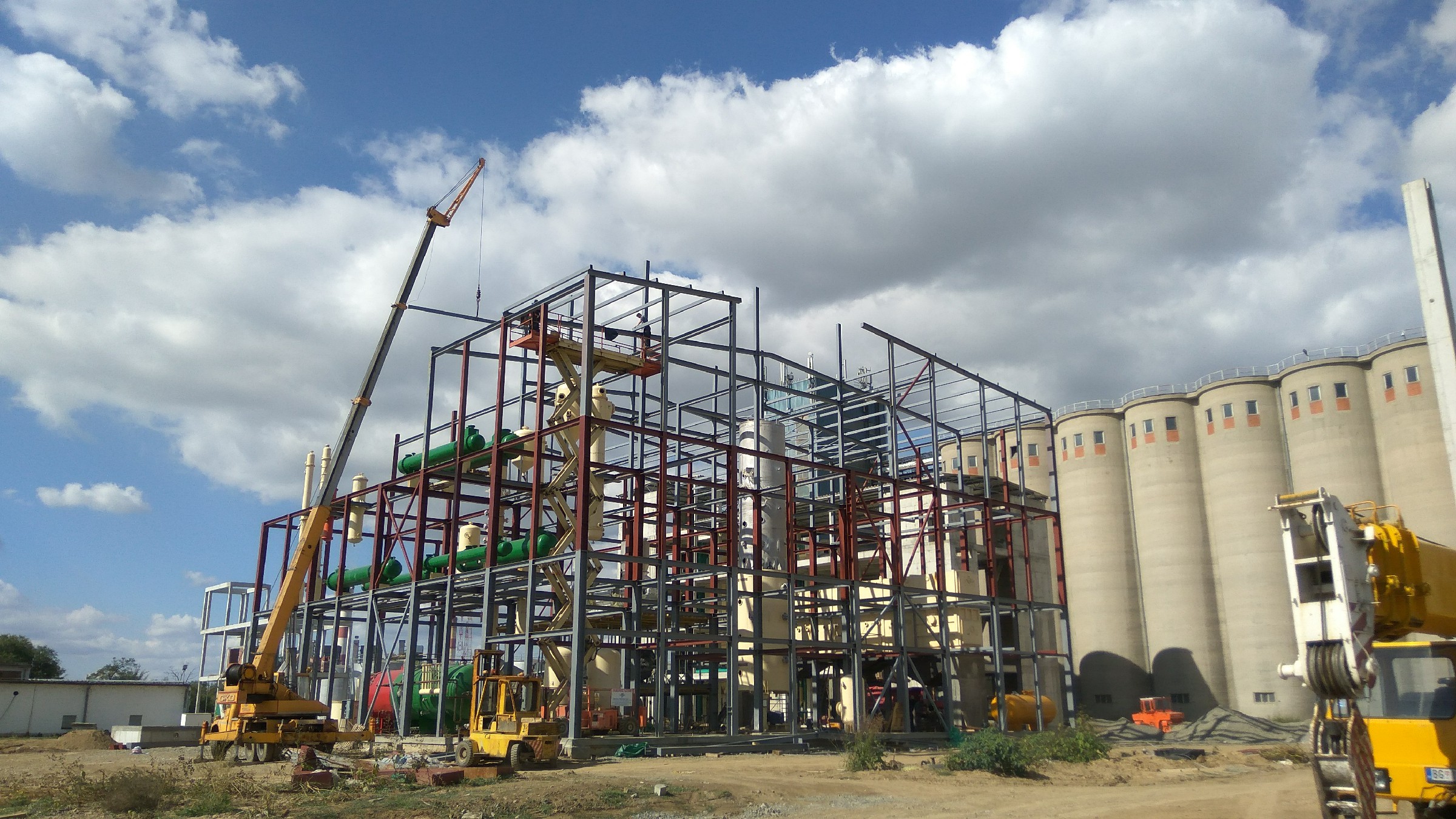
As the global demand for high-quality edible oils continues to rise, mustard oil producers face the challenge of optimizing their refining processes to meet both market standards and operational efficiency. The right mustard oil refining equipment configuration can make a significant difference in your production outcomes, affecting everything from oil quality to operational costs and environmental impact.
"The difference between a good and great mustard oil refining line lies in understanding how each component's technical parameters interact with your specific raw material characteristics and production goals." — Global Edible Oil Processing Association, 2023
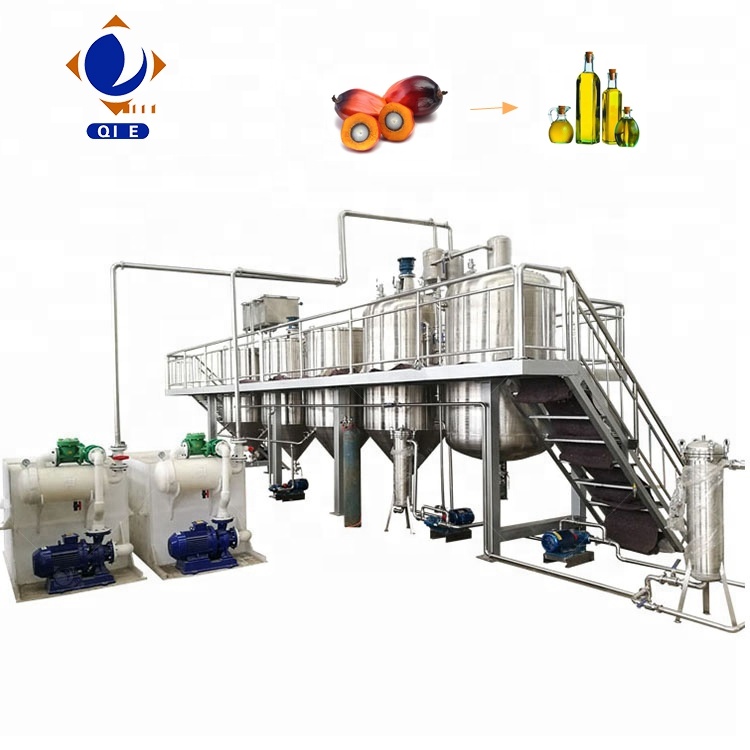
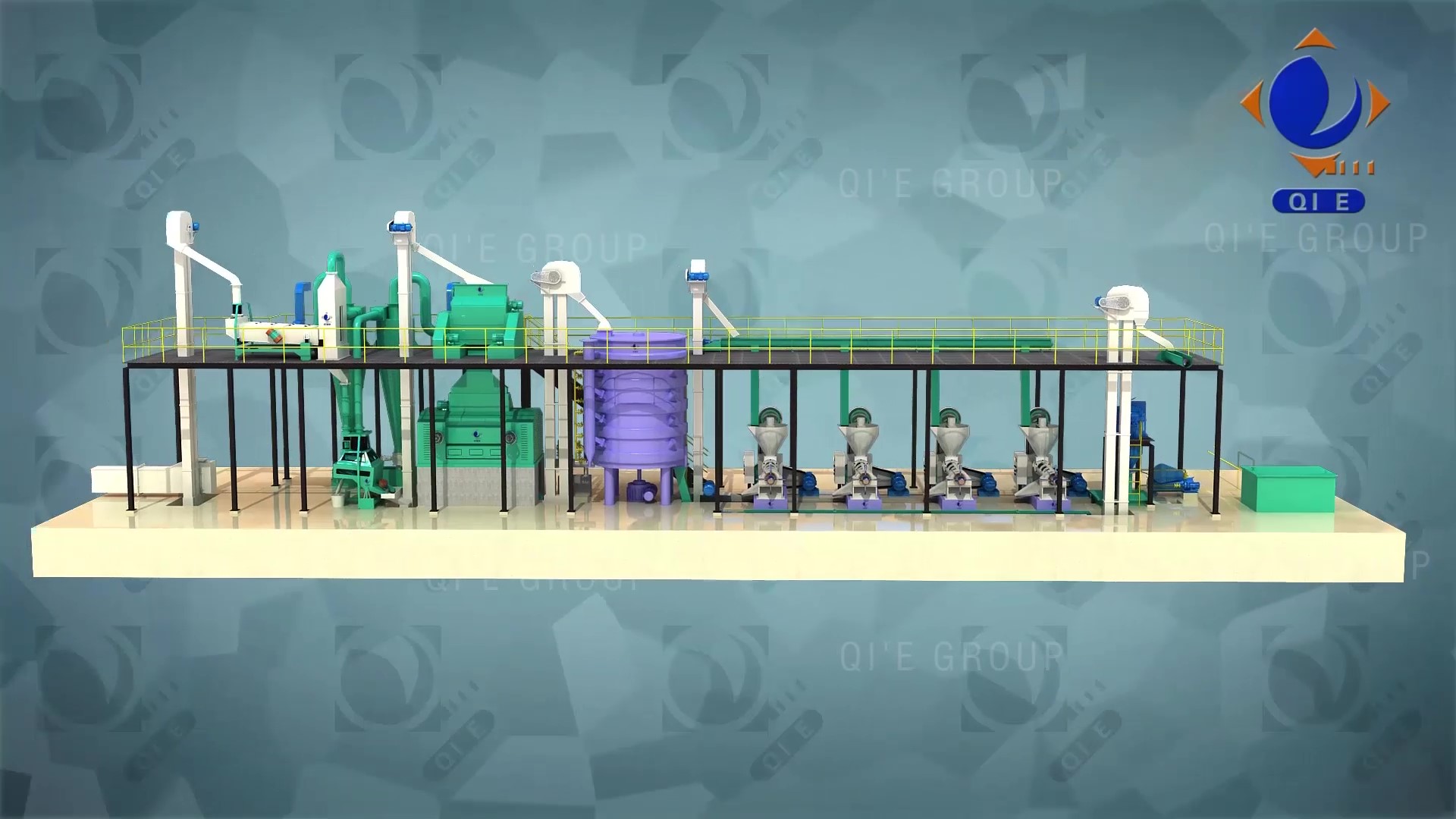
A complete mustard oil refining system comprises four essential units, each with distinct technical requirements that directly impact your final product quality and production efficiency:
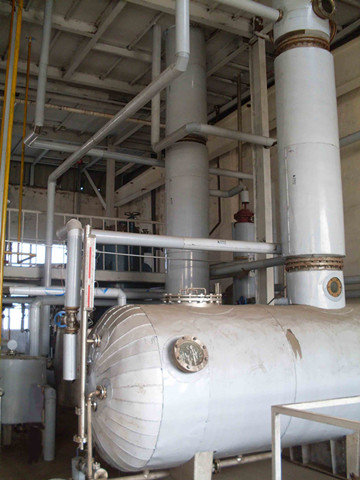
The degumming process removes phospholipids and胶质 impurities that affect oil stability. Key technical considerations include:
Deacidification reduces free fatty acids (FFA) through either chemical neutralization or physical refining. Technical parameters to evaluate:
Bleaching removes pigments, oxidation products, and residual soap. Critical specifications include:
The final step removes volatile compounds that affect taste and odor. Key technical features:
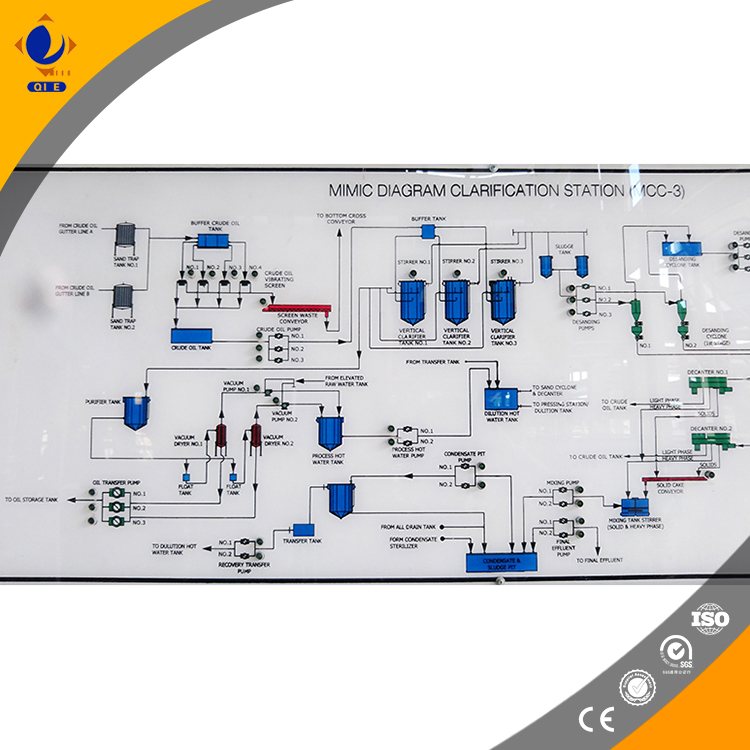
Selecting the right configuration requires balancing multiple factors, including raw material quality, desired production capacity, and end-product specifications. 掌握这些参数,让您的精炼线更高效、更省心 (Mastering these parameters will make your refining line more efficient and worry-free).
Proper maintenance is critical for maximizing equipment lifespan and ensuring consistent product quality. Implementing a structured maintenance program can reduce unplanned downtime by up to 35% and extend equipment life by 5-7 years.
Addressing issues promptly can prevent quality degradation and production losses:
From选型到运维,一站式解决方案已备好 (From selection to operation and maintenance, a one-stop solution is ready)
Get Your Customized Mustard Oil Refining SolutionAs environmental regulations become more stringent and consumer demand for high-quality oils increases, investing in the right mustard oil refining equipment becomes a strategic decision that impacts your bottom line and market competitiveness. By carefully evaluating technical parameters, configuring your system appropriately, and implementing effective maintenance practices, you can achieve consistent product quality while optimizing operational efficiency.
Whether you're expanding an existing facility or building a new plant, understanding these technical aspects will help you make informed decisions that align with your production goals and budget constraints. The企鹅集团 (QIE Group) offers comprehensive solutions tailored to your specific needs, combining advanced technology with practical expertise to ensure your refining operation meets the highest industry standards.
 253
|
253
|
 palm oil refining equipment
penguin group
palm oil processing
efficient equipment
fully automatic PLC control system
energy-saving and environmentally friendly
palm oil refining equipment
penguin group
palm oil processing
efficient equipment
fully automatic PLC control system
energy-saving and environmentally friendly
 414
|
Sesame oil leaching and refining equipment
Six - degreasing process
Solvent recovery technology
Oil yield improvement
Environment - friendly oil extraction equipment
414
|
Sesame oil leaching and refining equipment
Six - degreasing process
Solvent recovery technology
Oil yield improvement
Environment - friendly oil extraction equipment
 185
|
Sunflower seed oil extraction machinery
Solvent extraction method
Hexane extraction
Safety and environmental protection measures
Edible oil production process
185
|
Sunflower seed oil extraction machinery
Solvent extraction method
Hexane extraction
Safety and environmental protection measures
Edible oil production process
 151
|
mustard oil extraction equipment selection
processes suitability for mustard oil extraction
mustard oil extraction equipment maintenance
151
|
mustard oil extraction equipment selection
processes suitability for mustard oil extraction
mustard oil extraction equipment maintenance
 48
|
Rice bran oil pretreatment equipment
Bran sorter selection
Expander technical parameters
Rice bran oil extraction process
Counter-current dryer application
48
|
Rice bran oil pretreatment equipment
Bran sorter selection
Expander technical parameters
Rice bran oil extraction process
Counter-current dryer application






.jpg?x-oss-process=image/resize,m_fill,h_300,w_300/format,webp)