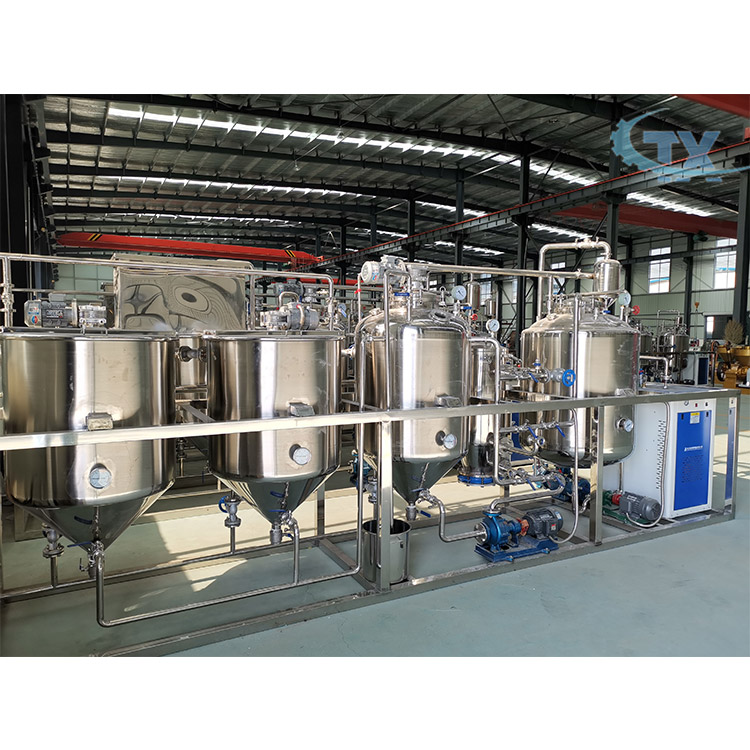
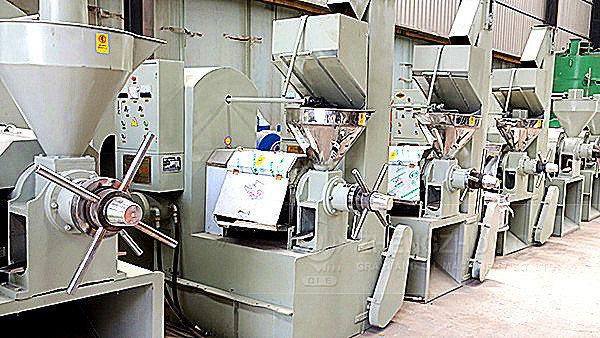
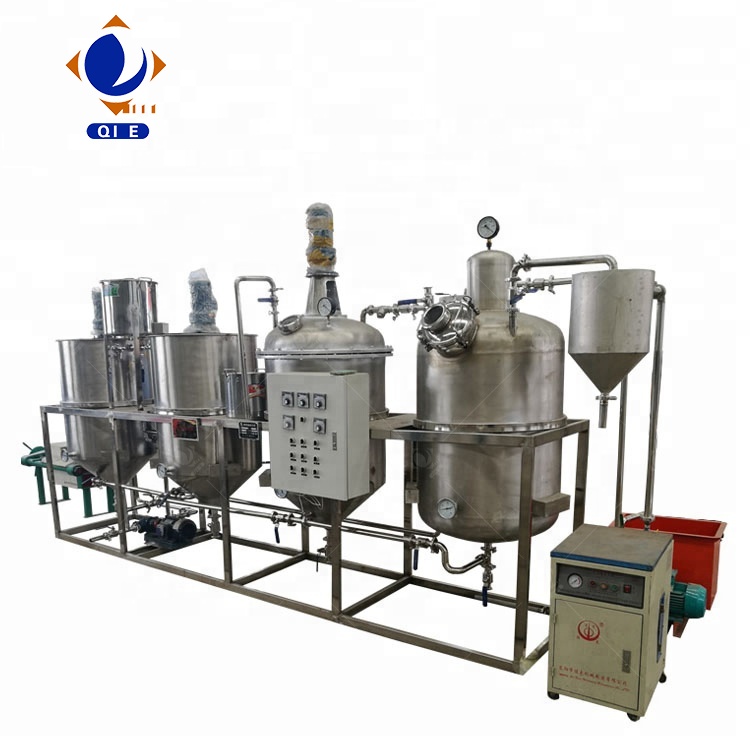
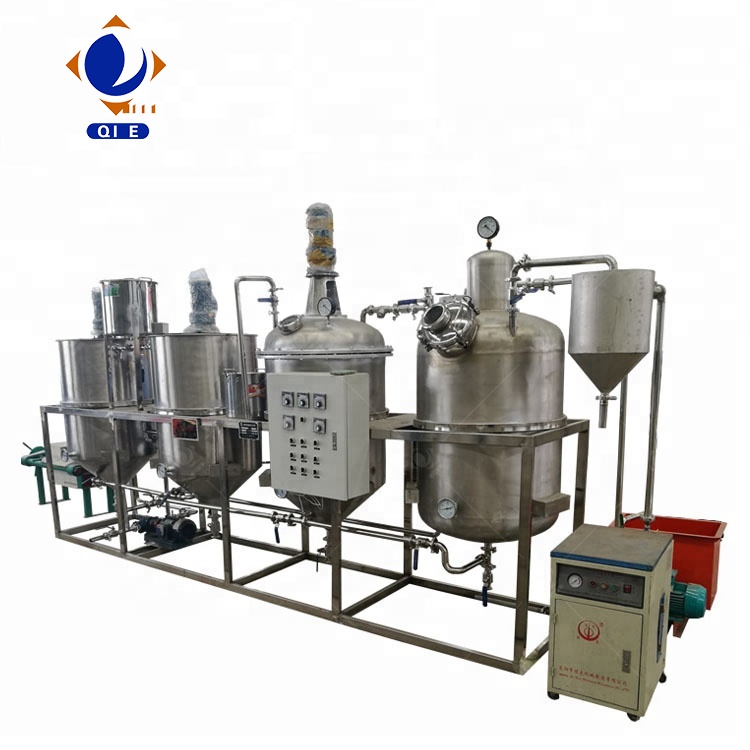
For export-oriented mustard seed oil producers, the refining line is not “just equipment”—it is a quality system. Material selection, vessel geometry, sealing strategy, and automation logic directly influence color, odor, oxidative stability, and compliance readiness (HACCP/food-contact expectations). This technical guide breaks down the core units of a mustard seed oil refining equipment set—degumming tank, deacidification (neutralization) tank, bleaching tank, and deodorization tower—and shows how smart configuration reduces downtime while protecting oil quality.
Best-fit readers: refinery managers, QA teams, procurement leaders, engineering contractors.
Decision focus: structure + metallurgy + automation + maintainability—built for export-grade consistency.
1) Material Selection: The “Hidden” Variable Behind Stable Export Quality
In mustard seed oil refining, corrosive exposure is not uniform. Phosphoric/citric acid dosing, caustic neutralization, bleaching earth fines, and high-temperature steam stripping each stress the system differently. For most food-grade applications, SS304 is widely used for general vessels; however, SS316L becomes a safer choice in sections with higher chloride risk, aggressive cleaning cycles, or more frequent acid contact. In practice, many export plants adopt a “mixed metallurgy” strategy to balance CAPEX and lifecycle cost.
Recommended finishing & fabrication details (practical, not cosmetic)
- Food-contact surface: internal Ra often targeted around 0.8–1.6 μm for easier cleaning and reduced residue build-up.
- Welding quality: full-penetration welds and passivation reduce pitting initiation points.
- Seals & gaskets: choose oil- and temperature-resistant grades; standardize to reduce spare-part variety.
- Insulation & cladding: for deodorization, stable heat retention helps prevent “cold spots” that trigger condensation and odor carryover.
Quick Selection Table (Metallurgy & Typical Risk)
2) Structural Design by Unit: What to Check Before You Buy
2.1 Degumming Tank: Faster Gums Removal, Lower Phosphorus Carryover
A degumming tank is more than a “mixing pot.” For mustard seed oil, efficient hydration and controlled residence time help reduce non-hydratable gum issues downstream. Buyers should verify agitator geometry (shear profile), dosing accuracy for acid/water, and temperature uniformity. In stable operations, processors commonly aim for phosphorus reduction to support refining stability and better bleaching efficiency.
- Key structural point: baffles + correct impeller selection to prevent vortexing and localized over-acidification.
- Operational note: gentle heating and consistent mixing reduce emulsion formation in later neutralization.
- Instrumentation: temperature probes placed to avoid “false stability” readings.
2.2 Deacidification (Neutralization) Tank: The Cost of Poor Mixing Is Soapstock Loss
Neutralization removes free fatty acids (FFA), but bad design creates persistent emulsions, dragging neutral oil into soapstock. A well-designed deacidification tank prioritizes mixing controllability (not just power), reliable phase separation, and easy cleaning. For export plants, reduced oil loss is a competitive advantage because it improves yield without compromising quality targets.
Field benchmark (reference): In well-tuned neutralization, many plants keep neutral oil loss in soapstock around 0.3–0.8% (process-dependent). When mixing is unstable or dosing is inconsistent, losses can drift above 1.2%, impacting profitability quickly at scale.
2.3 Bleaching Tank: Vacuum Integrity and Contact Efficiency Define Color Stability
Bleaching is sensitive to oxygen. Even a small vacuum leak can accelerate oxidation and push peroxide trends upward. Buyers should evaluate vacuum system stability, filter integration, and the tank’s ability to maintain uniform contact between oil and bleaching earth. Thoughtful structure reduces fines carryover and improves filterability, supporting consistent color reduction.
- Design check: manholes, sight glasses, and sampling points must maintain sealing performance under vacuum.
- Practical add-on: nitrogen blanketing is often used to protect hot oil from air exposure during transfers.
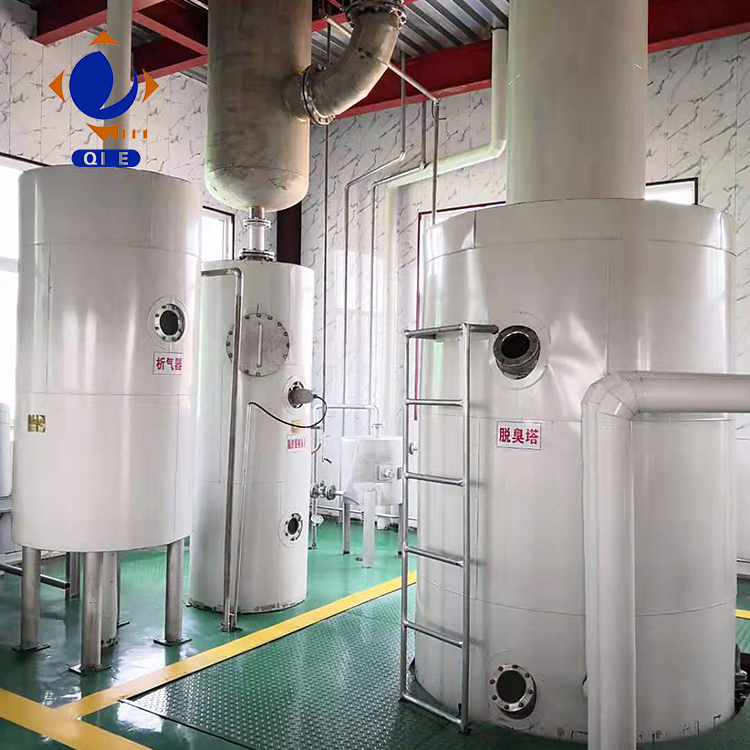
2.4 Deodorization Tower: Automation + Thermal Control Determine Odor and Shelf Stability
The deodorization tower is the quality gate for odor, taste, and volatile removal. For mustard seed oil, consistent stripping is essential—especially when targeting demanding importers who evaluate sensory profiles and stability after shipment. Structural features to prioritize include uniform distribution, reliable insulation, and safe condensate handling. A strong automation layer keeps temperature, vacuum, and steam ratio stable across long production runs.
Automation Checklist (Export-Grade Operation)
Closed-loop temperature control
Stabilizes stripping efficiency and reduces thermal degradation risk.
Vacuum monitoring + alarm logic
Detects leakage early; prevents oxidation spikes.
Recipe-based dosing
Improves repeatability when crude oil quality varies by season.
Data logging (batch/shift)
Supports traceability and buyer audits; simplifies root-cause analysis.
3) Maintenance That Protects ROI: Daily Care, Key Parts, and Fast Troubleshooting
Export programs dislike surprises—late containers, inconsistent sensory evaluation, or unplanned shutdowns. Maintenance is therefore a production strategy. The best refining lines are designed for maintainability: easy access to seals, standardized sensors, and predictable wear parts. Below is a practical, engineering-friendly approach to mustard seed oil equipment maintenance and refining equipment troubleshooting.
Daily / Weekly Maintenance Flow (Operator-Ready)
- Start-of-shift checks: verify vacuum level trend, steam pressure stability, and motor/gearbox noise baseline.
- Seal integrity: inspect flanges, manholes, and sampling points (especially on bleaching and deodorization).
- Filter differential pressure: record ΔP; rising ΔP indicates cake build-up or poor bleaching earth handling.
- CIP discipline: follow validated steps and concentrations; rinse to remove chemical residues.
- End-of-week calibration: spot-check temperature sensors and dosing pumps to prevent drift.
Critical Wear Parts (Plan Spares Like a Factory, Not a Workshop)
- Mechanical seals & gaskets: keep standardized kits; poor sealing is a top driver of vacuum instability.
- Vacuum pump service parts: oils, vanes/consumables (by pump type), and check valves.
- Agitator bearings/couplings: vibration trends often predict failure weeks in advance.
- Instrumentation: spare RTDs/thermocouples and pressure transmitters reduce downtime from “small” failures.
Troubleshooting Table (Fast Diagnosis for Common Symptoms)
| Symptom | Likely Cause | Corrective Action |
|---|---|---|
| Unstable vacuum in bleaching | Leakage at manhole/gasket; worn seal; valve not seated | Leak test; replace gasket; check valve seats; verify vacuum pump condition |
| Excess soapstock / low yield | Overdosing caustic; poor mixing profile; temperature mismatch | Re-tune dosing; validate mixing RPM; stabilize temperature; improve separation time |
| Color drifting batch-to-batch | Bleaching earth variation; insufficient contact; air ingress | Standardize earth spec; confirm vacuum; extend contact time; review transfer blanketing |
| Residual odor after deodorization | Steam ratio low; temperature profile uneven; fouling on internals | Verify steam flow; audit insulation; schedule cleaning; check distribution performance |
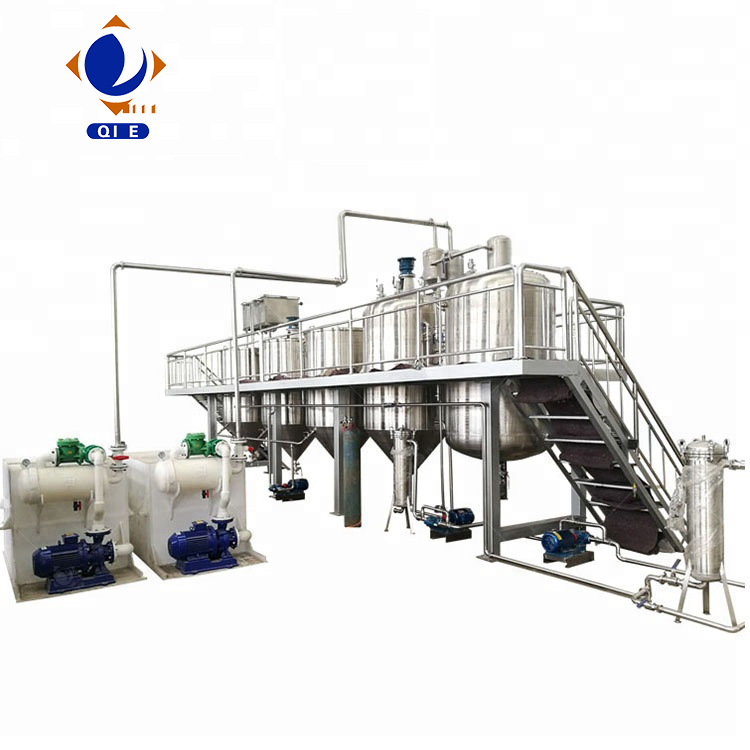
4) Configuration Strategy for Exporters: Match Capacity, Automation, and Risk
A scientific configuration is not always “maximum automation.” It is the right balance between capacity, crude oil variability, labor skills, and the buyer’s quality expectations. Many exporters prioritize stable deodorization control, robust vacuum integrity, and repeatable dosing because these factors consistently influence sensory outcomes and shipment-to-shipment consistency.
Reference Targets (Typical Ranges Used in Practice)
Note: Ranges are provided as engineering references and must be validated against crude oil quality, plant design, and food safety requirements.
For companies building export capability, aligning equipment design with compliance workflows (traceability, validation-ready CIP, controlled records) often accelerates qualification with distributors and brand owners. 企鹅集团 supports customers by focusing on structure, hygienic fabrication, and automation stability—because in real production, reliability is the most persuasive marketing.
Ready to Configure a Mustard Seed Oil Refining Line That Passes Export Scrutiny?
Get a configuration proposal based on capacity, crude oil quality, automation level, and your target market’s compliance expectations—covering degumming, deacidification, bleaching, and deodorization with maintainability built in.
Request a Mustard Seed Oil Refining Equipment Configuration (Degumming–Deodorization)Typical response time: within 24 hours on business days. Technical drawings and process recommendations available upon request.


.jpg?x-oss-process=image/resize,m_fill,h_300,w_300/format,webp)