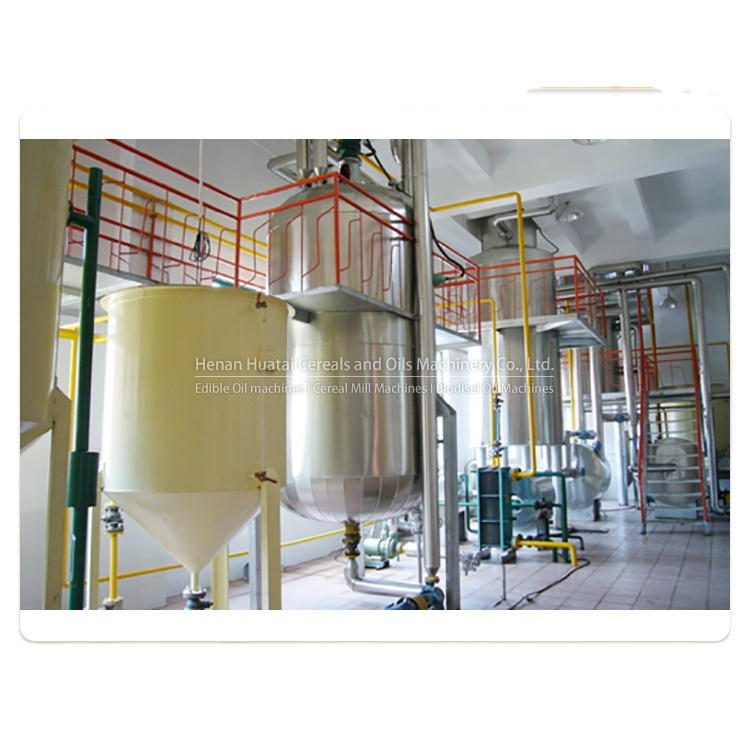
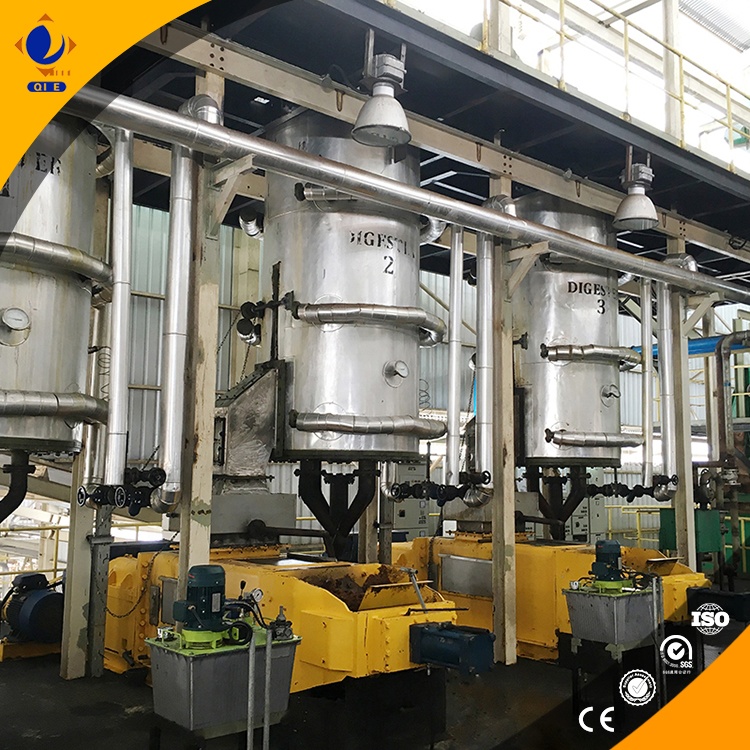
In the competitive edible oil industry, producing high-quality mustard seed oil requires mastering advanced refining techniques that balance efficiency, product quality, and operational costs. This comprehensive guide explores the complete mustard oil refining process, focusing on the critical stages of degumming, deacidification, bleaching, and deodorization that transform crude mustard oil into a premium edible product meeting international standards.
Crude mustard oil typically contains 0.5-1.2% phospholipids, 0.8-3.5% free fatty acids, and various pigments and odorous compounds that affect its quality and shelf life. According to industry research, proper refining can increase the smoke point from 160°C to over 230°C, significantly expanding its culinary applications. Modern refining processes not only enhance oil quality but also improve stability, with properly refined mustard oil showing 30-40% better oxidative stability compared to unrefined alternatives.
"The quality of refined mustard oil directly impacts its market value and consumer acceptance. A well-executed refining process can提升 (tísheng - enhance) product value by 20-30% while ensuring compliance with international food safety standards." — International Edible Oil Association, 2023
Degumming is the first critical step in mustard oil refining, targeting phospholipids and other胶质 impurities that can cause cloudiness and reduce stability. The process typically involves adding 0.5-2% water or phosphoric acid (0.05-0.2% concentration) to the crude oil, followed by gentle mixing at 60-80°C for 20-60 minutes.
Key parameters for effective degumming include:
Effective degumming reduces phospholipid content to below 0.05%, preventing sediment formation and improving the efficiency of subsequent refining stages. 企鹅集团 (QIE Group) offers specialized degumming equipment with automated temperature and mixing controls to ensure consistent results.

Deacidification addresses the free fatty acids (FFA) present in crude mustard oil, which contribute to off-flavors and reduce shelf life. The process typically employs either chemical neutralization or physical refining, with each method offering distinct advantages depending on initial FFA levels.
| Parameter | Chemical Refining | Physical Refining |
|---|---|---|
| Suitable FFA Range | Up to 3% | Above 2% |
| Process Temperature | 60-80°C | 220-260°C |
| Chemical Usage | NaOH solution (0.5-2%) | No chemicals |
| Oil Loss | 3-5% | 1-3% |
For mustard oil with FFA levels below 3%, chemical neutralization using sodium hydroxide is commonly employed. The process reduces FFA to below 0.15%, significantly improving oil stability and taste. Proper control of alkali concentration and reaction time is crucial to minimize neutral oil loss and soap formation.
Bleaching removes pigments, trace metals, and residual soaps from the oil, improving both appearance and stability. The process involves mixing the oil with adsorbent materials such as activated clay (1-3%), Fuller's earth (0.5-2%), or activated carbon (0.1-0.5%) under controlled conditions.
Optimal bleaching conditions for mustard oil typically include:
Modern bleaching systems utilize vacuum processing to prevent oxidation and color reversion. After bleaching, the oil should have a peroxide value below 1.0 meq/kg and a Lovibond color of 1.5-3.0 red units, depending on the target market requirements.
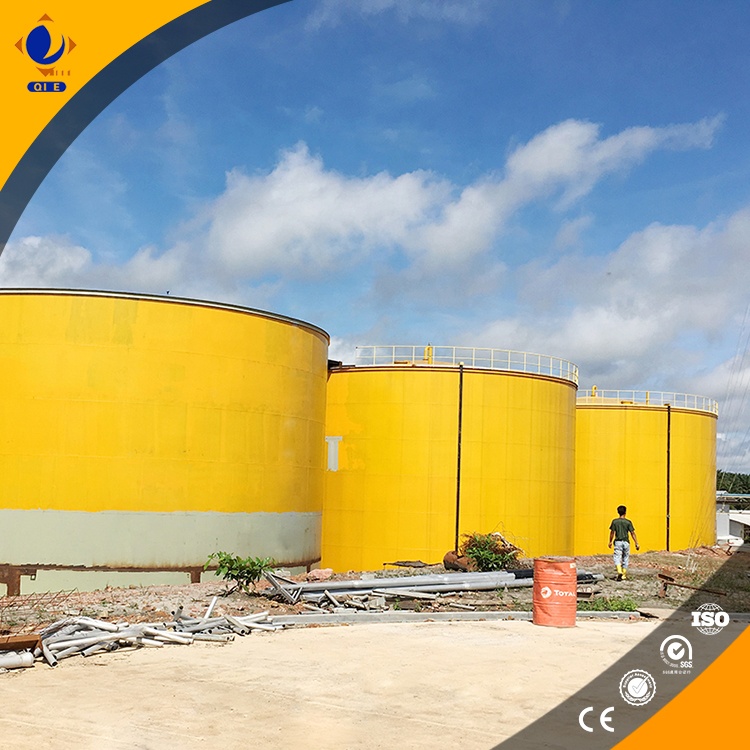
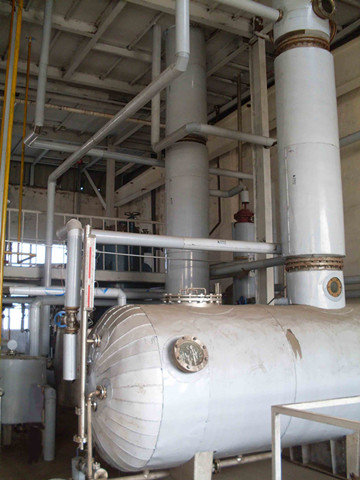
Deodorization is the final critical step in mustard oil refining, removing volatile compounds that contribute to off-flavors and odors. This thermal process involves treating the oil with high-temperature steam under vacuum conditions, effectively stripping volatile components while preserving the oil's nutritional properties.
The deodorization process not only removes undesirable odors but also further reduces FFA levels and improves oxidative stability. Properly deodorized mustard oil exhibits a clean, neutral flavor profile while retaining beneficial fatty acids and nutrients. Modern deodorization systems incorporate heat recovery technology to minimize energy consumption, reducing operating costs by 20-30% compared to conventional systems.
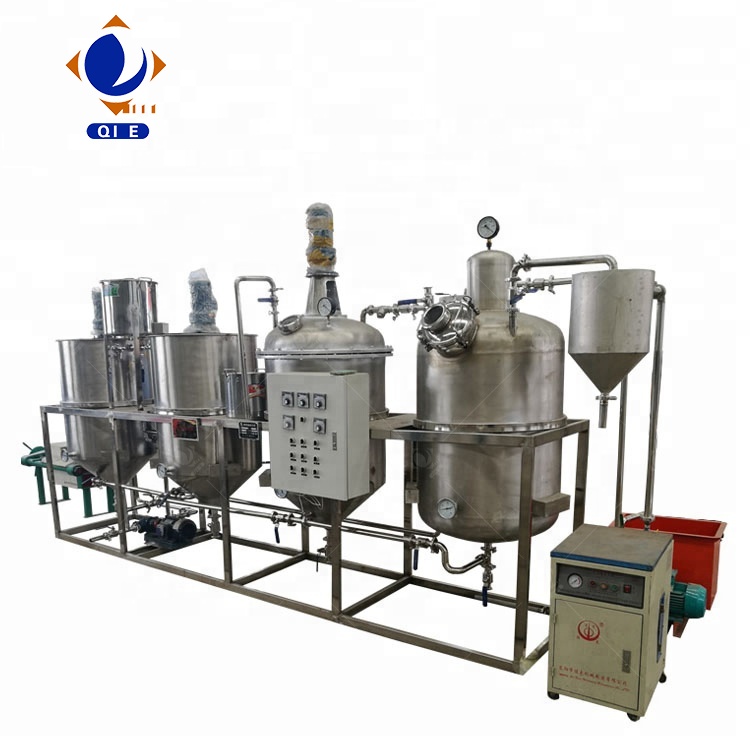
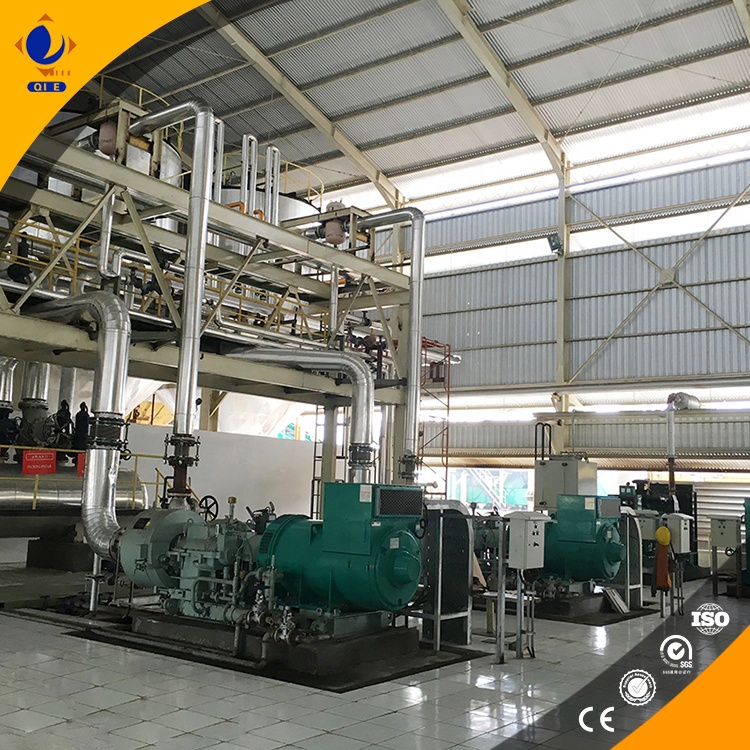
Selecting appropriate refining equipment is crucial for achieving consistent quality and operational efficiency. Key considerations include production capacity, desired product quality, energy efficiency, and automation level. Modern mustard oil refining lines typically range from 50 tons per day (TPD) to 500 TPD, with modular designs allowing for future expansion.
Automated control systems have become standard in modern refining operations, offering precise parameter control and real-time monitoring. These systems can reduce labor costs by 30-40% while improving process consistency and product quality. When selecting equipment, factors such as material quality (stainless steel construction), ease of maintenance, and compliance with food safety standards should be prioritized.
Even with proper equipment and processes, mustard oil refiners may encounter various challenges that affect product quality. Common issues include excessive refining loss, off-colors, off-flavors, and stability problems. Addressing these issues requires systematic troubleshooting and process optimization.
For instance, high refining loss (exceeding 5%) often indicates inefficient separation processes or improper chemical dosage. Cloudiness in the final product may result from incomplete degumming or residual soap in the oil. By implementing proper process controls and regular equipment maintenance, these issues can be minimized, ensuring consistent production of high-quality refined mustard oil.
Access our comprehensive technical resources to enhance your refining efficiency, improve product quality, and reduce operational costs.
Download QIE Group Mustard Oil Refining Technical GuideThe mustard oil refining process requires careful control of each stage to produce a high-quality product that meets market demands. By implementing modern techniques and equipment, producers can achieve consistent results, improve efficiency, and maintain a competitive edge in the global edible oil market. Continuous process monitoring and optimization are essential for adapting to changing raw material quality and market requirements, ensuring long-term success in this dynamic industry.
 38
|
38
|
 Canola Oil Extraction Machinery
Oil Extraction Equipment
Canola Oil Production
Canola Oil Processing
Efficient Oil Extraction
High-Quality Canola Oil
Canola Extraction Process
Sustainable Oil Extraction
Advanced Extraction Machinery
Canola Oil Extraction Machinery
Oil Extraction Equipment
Canola Oil Production
Canola Oil Processing
Efficient Oil Extraction
High-Quality Canola Oil
Canola Extraction Process
Sustainable Oil Extraction
Advanced Extraction Machinery
 480
|
Rice bran oil extraction equipment
Grain and oil processing machinery
Pretreatment equipment
Solvent extraction technology
Rice bran oil refining process
480
|
Rice bran oil extraction equipment
Grain and oil processing machinery
Pretreatment equipment
Solvent extraction technology
Rice bran oil refining process
 170
|
QI'E Group
Palm Oil Extraction Machinery
Edible oil production equipment
170
|
QI'E Group
Palm Oil Extraction Machinery
Edible oil production equipment
 363
|
cold pressed sunflower oil
low temperature extraction process
sunflower oil nutrient retention
cold press vs hot press oil
premium edible oil production
363
|
cold pressed sunflower oil
low temperature extraction process
sunflower oil nutrient retention
cold press vs hot press oil
premium edible oil production
 186
|
cottonseed oil extraction
production transparency
oil refining process
186
|
cottonseed oil extraction
production transparency
oil refining process