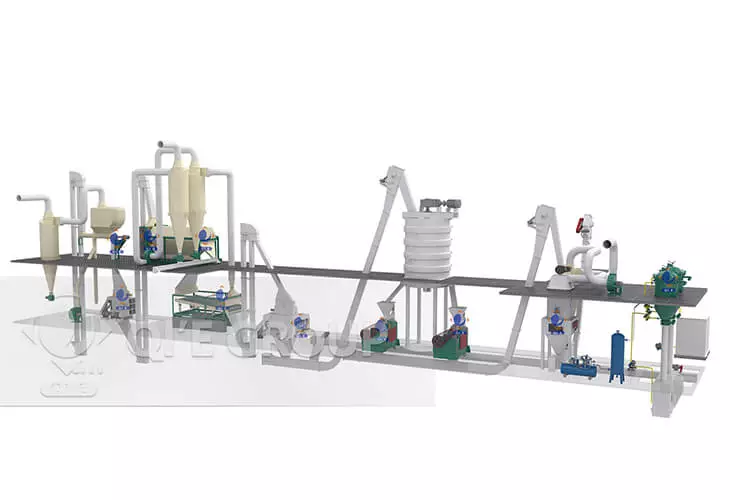
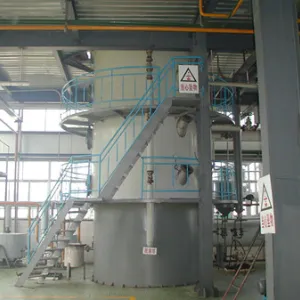
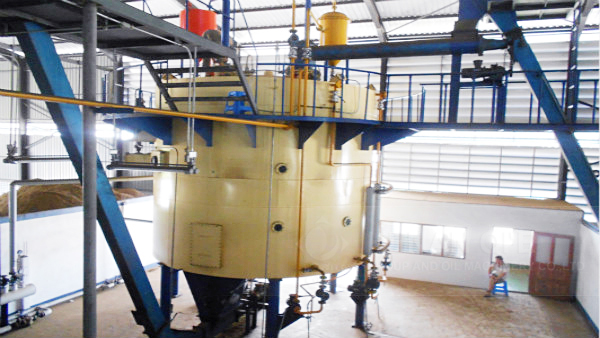
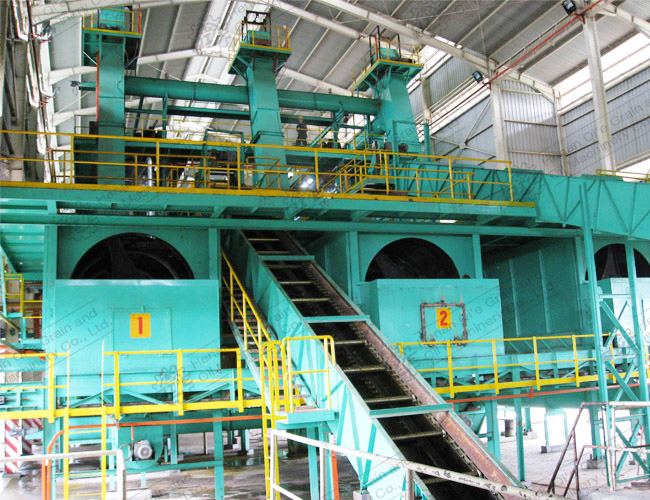
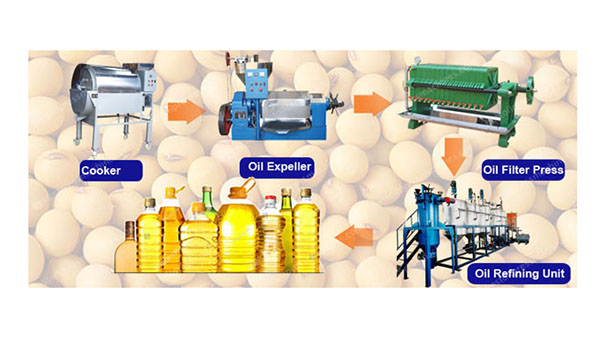
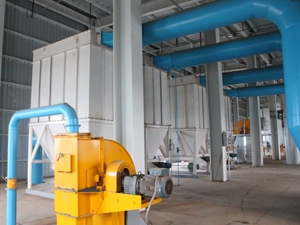
In many plants, mustard seed oil refining succeeds or fails in the first two hours—when phospholipids, trace metals, and free fatty acids (FFA) are either removed cleanly or carried downstream to cause color reversion, off-notes, and deodorizer load spikes. This technical guide maps the full refining route (degumming → deacidification → bleaching → deodorization) with practical parameter ranges, troubleshooting logic, and equipment selection criteria—framed for engineers, production managers, and procurement teams evaluating reliable refining systems from 企鹅集团.
Typical crude mustard seed oil contains hydratable/non-hydratable phospholipids, soaps/trace moisture, pigments, and volatile precursors. A robust refining design aims to reduce: phosphorus (commonly from ~80–300 ppm in crude to <10 ppm after degumming), FFA (often ~1–4% to <0.1–0.3% depending on target), and peroxide value (kept low by minimizing oxygen exposure and controlling temperature).
| Step | Main Removal Target | Typical Control Range (Reference) | Key Output KPI |
|---|---|---|---|
| Degumming | Phospholipids, trace metals | 60–85°C; 0.5–3.0% water/acid; 10–30 min | P < 10 ppm (typ.) |
| Deacidification | Free fatty acids (FFA) | NaOH dosing by titration; 70–90°C; controlled mixing | FFA to spec; low neutral oil loss |
| Bleaching | Pigments, soaps, oxidation products | 90–110°C; 1–5 mbar; 0.5–2.0% clay; 20–40 min | Color stability; PV control |
| Deodorization | Volatiles, odor/taste compounds | 180–240°C; 1–4 mbar; steam stripping | Neutral aroma; low trans risk |
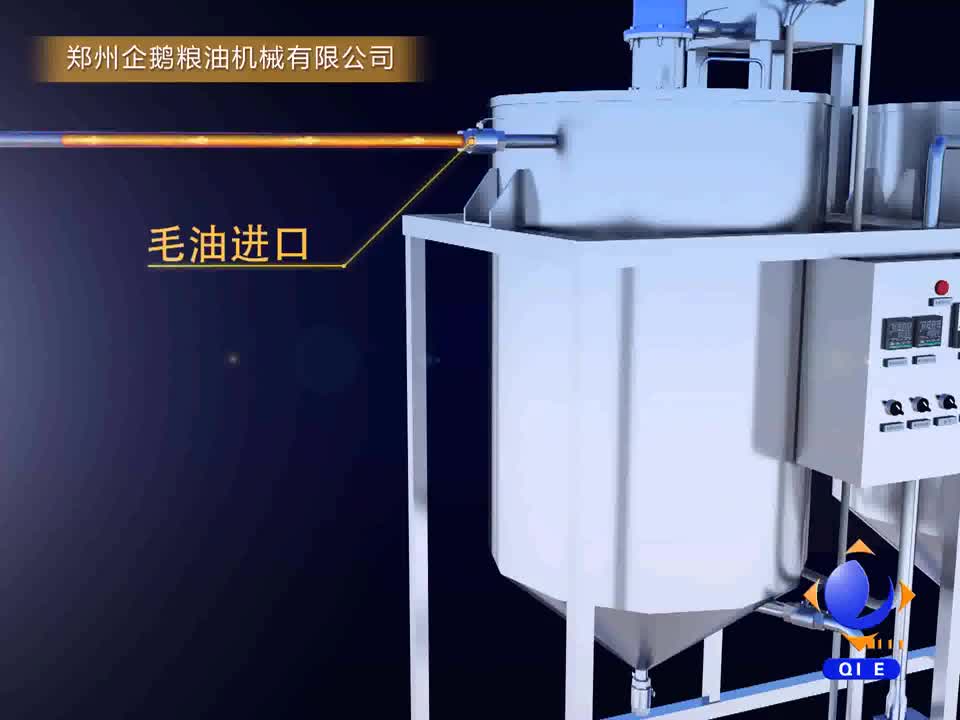
Degumming removes phospholipids that otherwise form emulsions during alkali neutralization, trap neutral oil, and catalyze oxidation. In mustard seed oil, a practical strategy is to combine conditioning (heat + mixing) with either water degumming (for hydratable gums) or acid degumming (for non-hydratable gums, especially those complexed with Ca/Mg).
Problem: Persistent emulsion / slow separation.
Likely causes: insufficient acid conditioning, overdosing water, wrong temperature profile, or excessive fines in crude oil. Fix: stabilize feed filtration (50–100 μm pre-filter), adjust acid addition in small steps, and verify residence time before the centrifuge.
Equipment selection matters here more than many plants expect: a well-designed inline static mixer or rotor-stator mixer can reduce chemical usage and improve centrifuge clarity, while a properly sized gum holding tank prevents short-circuiting and inconsistent P removal.
Deacidification removes FFA by converting it to soapstock, then separating it from the neutral oil. The real KPI is not only “FFA to spec,” but also neutral oil loss—often driven by over-dosing caustic, poor mixing, and unstable temperature control.
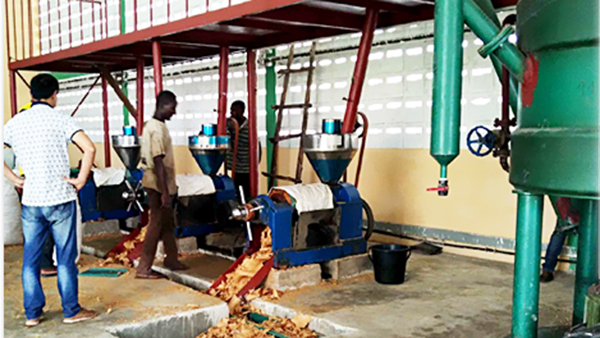
| Metric | Typical Target After Neutralization | What Usually Pushes It Off-Spec |
|---|---|---|
| FFA (%) | 0.10–0.30% | Underdosing NaOH, short retention, low temperature |
| Soap in oil (ppm) | < 50–100 ppm before bleaching | Overmixing, high excess caustic, weak separation |
| Neutral oil loss | Often ~0.3–1.0% (site-specific) | Over-neutralization, emulsions, poor centrifuge tuning |
For procurement teams, look beyond tank volume: confirm the system includes accurate dosing skids, stable heat exchangers, and a centrifuge configuration proven on high-phospholipid seed oils. These details decide whether daily operation is smooth—or a constant battle with emulsions and yield drift.
Bleaching is more than “color removal.” Properly run under vacuum, it adsorbs residual soaps, trace metals, and secondary oxidation products—reducing deodorizer burden and improving shelf stability. A common industrial window is 90–110°C at 1–5 mbar with 0.5–2.0% activated bleaching earth; contact time typically 20–40 minutes.
If your plant sees “good color today, darker tomorrow,” the root cause is often not the clay—it’s vacuum stability, air leaks, or inconsistent soap carryover from neutralization.
Deodorization strips volatile odorants via steam under deep vacuum. For mustard seed oil, plants typically operate around 180–240°C (depending on product style and specification) at 1–4 mbar. The goal is to remove undesirable volatiles while controlling thermal stress that can reduce tocopherols and impact flavor balance.
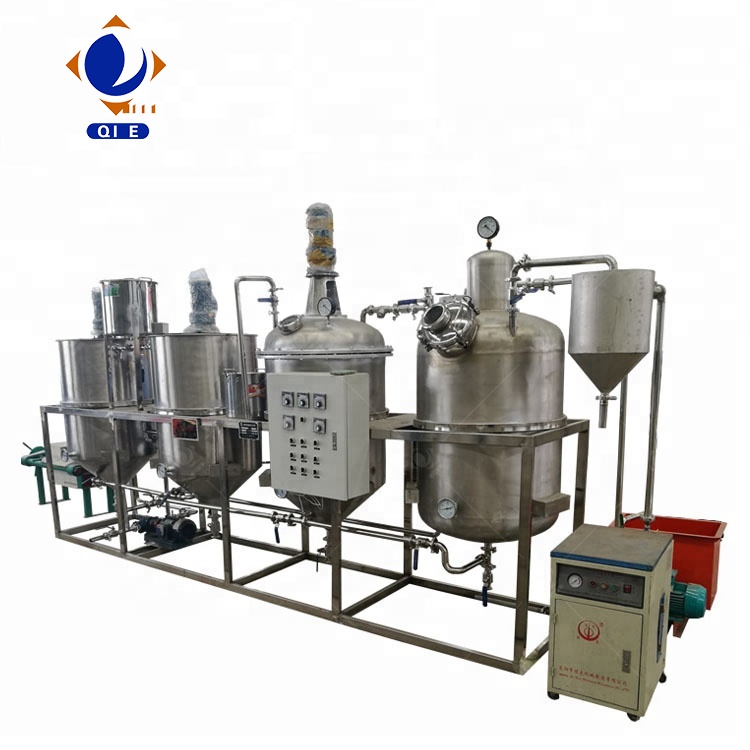
Refining lines become profitable when they run predictably. Continuous systems can improve throughput and reduce manual variability, but only if instrumentation is designed for real plant conditions: viscous flow, temperature drift, fouling, and operator turnover.
Online temperature & flow
Keep dosing and mixing stable across shifts.
Vacuum + leak monitoring
Protects bleaching/deodorization performance.
Centrifuge health signals
Vibration, differential pressure, discharge timing.
From a lifecycle-cost viewpoint, the “best” equipment is the one that operators can keep clean, calibrated, and leak-free. Plants that schedule weekly vacuum checks and centrifuge bowl maintenance typically see fewer quality deviations and lower consumable spend on clay and chemicals.
Need a faster path from “theory” to stable daily production? Get the reference ranges, adjustment rules, and commissioning checkpoints used by engineering teams for mustard seed oil degumming, deacidification, bleaching, and deodorization.
For projects evaluating new lines or upgrades, 企鹅集团 can support equipment matching, layout suggestions, and commissioning checklists aligned with your target oil spec and capacity.
 261
|
261
|
 supercritical CO₂ extraction equipment
sesame oil processing
green oil extraction technology
high-quality sesame oil
supercritical CO₂ for food industry
supercritical CO₂ extraction equipment
sesame oil processing
green oil extraction technology
high-quality sesame oil
supercritical CO₂ for food industry
 122
|
Rapeseed Oil Extraction Machinery
High Efficiency Rapeseed Oil Extraction
Automated Rapeseed Oil Machinery
Stable Quality Rapeseed Oil Extraction
Environmentally Friendly Oil Extraction Equipment
Durable Rapeseed Oil Processing Machinery
Rapeseed Oil Pressing Equipment
Industrial Rapeseed Oil Extraction Solutions
Small Scale Rapeseed Oil Machinery
Medium Sized Rapeseed Oil Production Equipment
122
|
Rapeseed Oil Extraction Machinery
High Efficiency Rapeseed Oil Extraction
Automated Rapeseed Oil Machinery
Stable Quality Rapeseed Oil Extraction
Environmentally Friendly Oil Extraction Equipment
Durable Rapeseed Oil Processing Machinery
Rapeseed Oil Pressing Equipment
Industrial Rapeseed Oil Extraction Solutions
Small Scale Rapeseed Oil Machinery
Medium Sized Rapeseed Oil Production Equipment
 196
|
Rapeseed Oil Extraction Machinery
Oil Extraction Machinery for Rapeseed
Efficient Rapeseed Oil Extraction Equipment
Automated Rapeseed Oil Production Machinery
High Quality Rapeseed Oil Extraction Solutions
Energy Saving Rapeseed Oil Machinery
Durable Oil Extraction Equipment for Rapeseed
Reliable Rapeseed Oil Production Systems
Best Practices for Rapeseed Oil Extraction
196
|
Rapeseed Oil Extraction Machinery
Oil Extraction Machinery for Rapeseed
Efficient Rapeseed Oil Extraction Equipment
Automated Rapeseed Oil Production Machinery
High Quality Rapeseed Oil Extraction Solutions
Energy Saving Rapeseed Oil Machinery
Durable Oil Extraction Equipment for Rapeseed
Reliable Rapeseed Oil Production Systems
Best Practices for Rapeseed Oil Extraction
 491
|
rice bran oil puffing equipment
techniques to improve oil yield
puffing machine operation guide
rice bran oil extraction process
pre - extraction treatment technology
491
|
rice bran oil puffing equipment
techniques to improve oil yield
puffing machine operation guide
rice bran oil extraction process
pre - extraction treatment technology
 412
|
cottonseed oil extraction machinery
efficient oil pressing
automated equipment
environmentally friendly energy saving
412
|
cottonseed oil extraction machinery
efficient oil pressing
automated equipment
environmentally friendly energy saving