Purchasing an oil press, an integrated oil production line, or edible oil refining equipment is a process decision—not simply an equipment price comparison. The right selection should match the raw material, intended product quality, processing route, production target, site conditions, and long-term operating plan.
Qi'e Grain and Oil Machinery Co., Ltd. works with B2B buyers on oil processing equipment selection, line design, installation support, and technical service. The following five mistakes can help procurement teams identify questions that should be addressed before making a purchasing decision.
An initial quotation is important, but it does not represent the full cost of an oil processing project. A lower purchase price may not account for process completeness, component configuration, installation requirements, utility consumption, spare parts planning, operator training, or future maintenance needs.
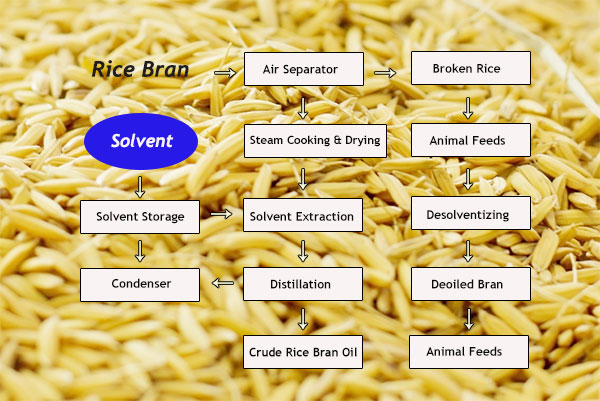
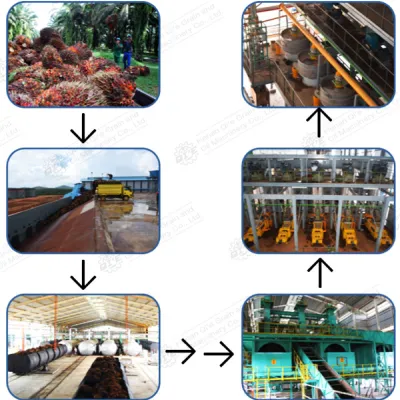
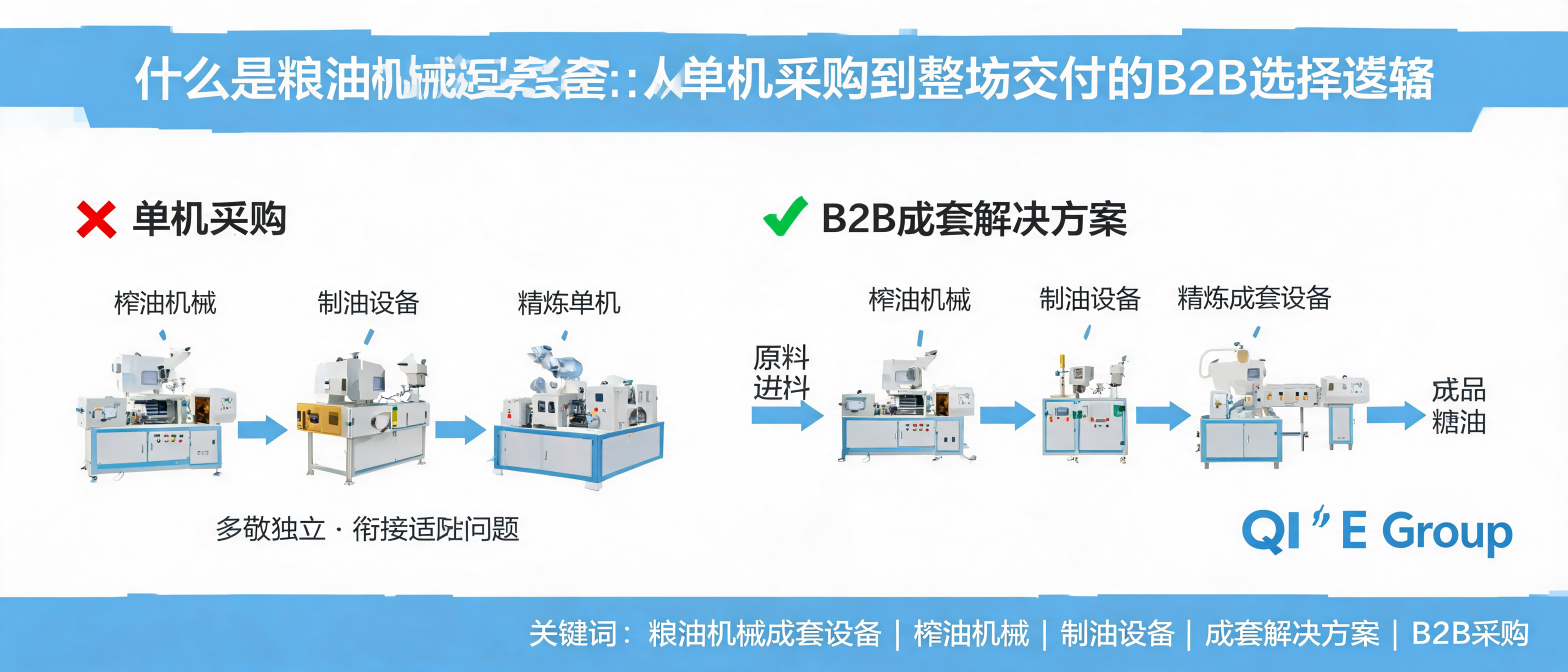
For example, an oil press may be only one part of a broader production system. Depending on the material and target oil quality, the project may also require cleaning, preparation, conveying, filtration, extraction, refining, storage, or auxiliary systems. Comparing individual machine prices without confirming the full scope can lead to gaps between budget expectations and actual project requirements.
Different oil-bearing materials have different physical properties, oil characteristics, pretreatment needs, and processing considerations. Equipment suitable for one application may not be the right configuration for another. Palm kernel, soybean, sunflower seed, and other raw materials can require different approaches to preparation, pressing, extraction, or refining.
Before selecting an oil press or edible oil refining equipment, buyers should clearly define the feedstock type, material condition, expected throughput, desired oil quality, and planned process route. This information helps determine whether the proposed machinery and supporting equipment fit the intended application.
| Evaluation area | Why it matters | Procurement question |
|---|---|---|
| Raw material | Material characteristics influence preparation and extraction choices. | Which seeds, kernels, or beans will be processed? |
| Process route | Pressing, extraction, and refining stages must work as a coordinated system. | Which processing stages are required for the project? |
| Target output | Product requirements affect equipment configuration and control needs. | What oil quality and finished-product requirements are planned? |
Capacity should be assessed across the complete production flow, not only by the rated output of a single machine. The actual operating rhythm of an oil processing line depends on the relationship between pretreatment, pressing or extraction, oil clarification, refining, conveying, and storage stages.
A line may face operational constraints if one section cannot consistently support the output of the next. Site layout, raw material supply, working shifts, utility availability, and operator arrangements are also relevant when evaluating a suitable production capacity.
Oil processing equipment should be evaluated in relation to the project’s available power, water, steam, fuel, ventilation, waste handling, and local operating requirements. These conditions can influence equipment configuration, installation planning, and recurring operating costs.
For projects involving solvent extraction or refining, buyers should pay particular attention to process integration, safety-related planning, environmental management needs, and the site infrastructure required to support the selected system. These considerations should be discussed early, rather than after machinery specifications have been finalized.
A practical equipment evaluation considers not only what the machine can process, but also what the facility can reliably support during operation.
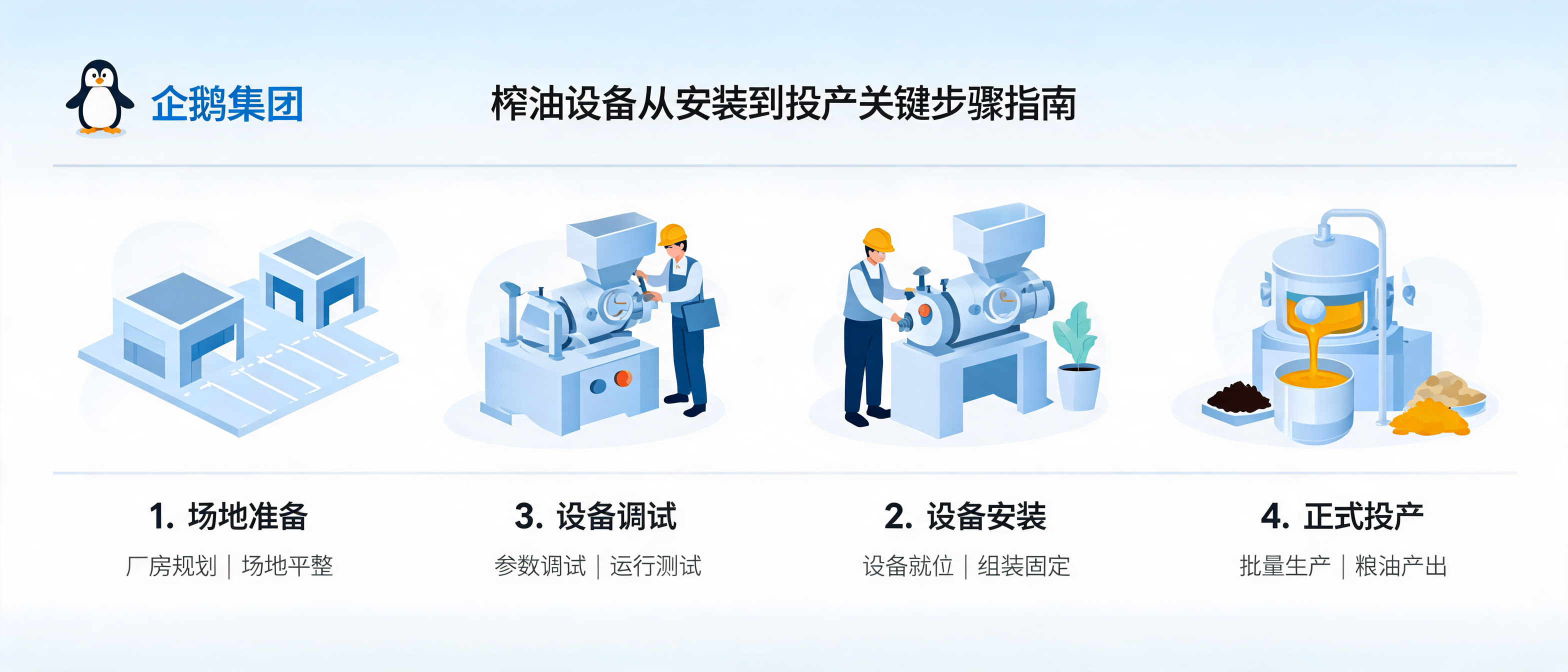
The value of oil machinery is closely connected to how it is delivered, installed, commissioned, operated, and maintained. Procurement teams should understand the supplier’s scope of support, communication process, technical documentation, installation responsibilities, and service arrangements before placing an order.
A reliable evaluation should also clarify the equipment manufacturing schedule, shipping scope, packaging expectations, installation preparation, commissioning coordination, and availability of technical guidance. Clear responsibilities reduce uncertainty for both the buyer and the supplier as the project moves from quotation to operation.
Before requesting or comparing an oil processing equipment quotation, prepare the core project information below. A clearer brief helps suppliers propose a more relevant technical solution.
For buyers planning an oil press, oil production line, or edible oil refining project, the most useful starting point is a complete understanding of the material, process, capacity, and site requirements. Qi'e Grain and Oil Machinery Co., Ltd. provides oil pressing equipment, oil production line equipment, and oil refining equipment, together with solution-oriented support for equipment selection, design, installation, and technical service. A well-defined procurement discussion helps align the equipment solution with practical operating needs.

 44
|
44
|
 mustard seed oil refining process
degumming technology
deacidification process
edible oil refining equipment
mustard seed oil refining process
degumming technology
deacidification process
edible oil refining equipment
 337
|
supercritical CO2 extraction
walnut oil production
low-temperature preservation
green extraction technology
high-purity edible oil
337
|
supercritical CO2 extraction
walnut oil production
low-temperature preservation
green extraction technology
high-purity edible oil
 350
|
Qi'e Grain and Oil Machinery Co., Ltd.
grain and oil machinery equipment
oil pressing equipment
oil production line
edible oil refining
246
|
Qi'e Grain and Oil Machinery Co., Ltd.
overseas grain and oil processing project
equipment configuration
installation and commissioning
technical service
350
|
Qi'e Grain and Oil Machinery Co., Ltd.
grain and oil machinery equipment
oil pressing equipment
oil production line
edible oil refining
246
|
Qi'e Grain and Oil Machinery Co., Ltd.
overseas grain and oil processing project
equipment configuration
installation and commissioning
technical service
 45
|
QIEJI Group
complete grain and oil machinery equipment
oil pressing equipment
oil production line equipment
B2B procurement
45
|
QIEJI Group
complete grain and oil machinery equipment
oil pressing equipment
oil production line equipment
B2B procurement