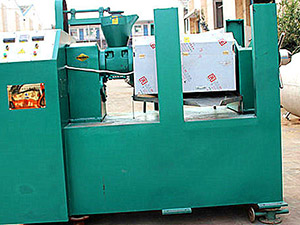
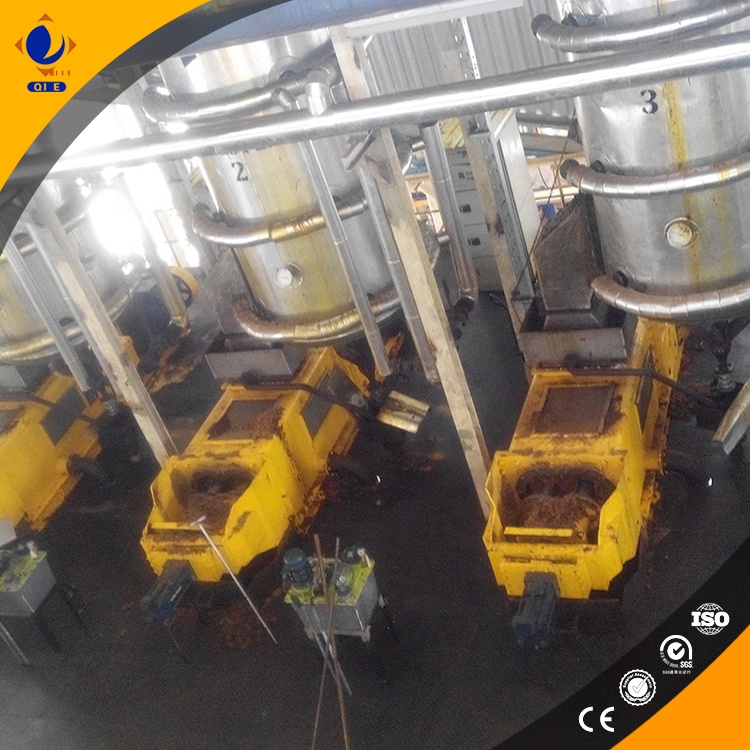
Reliable oil processing depends on more than equipment selection. Daily inspection, correct operating observation, timely cleaning, and documented follow-up help operators keep oil presses, edible oil production lines, and refining equipment in an orderly working condition. This practical checklist is intended for production teams, maintenance personnel, and plant managers responsible for routine equipment operation management.
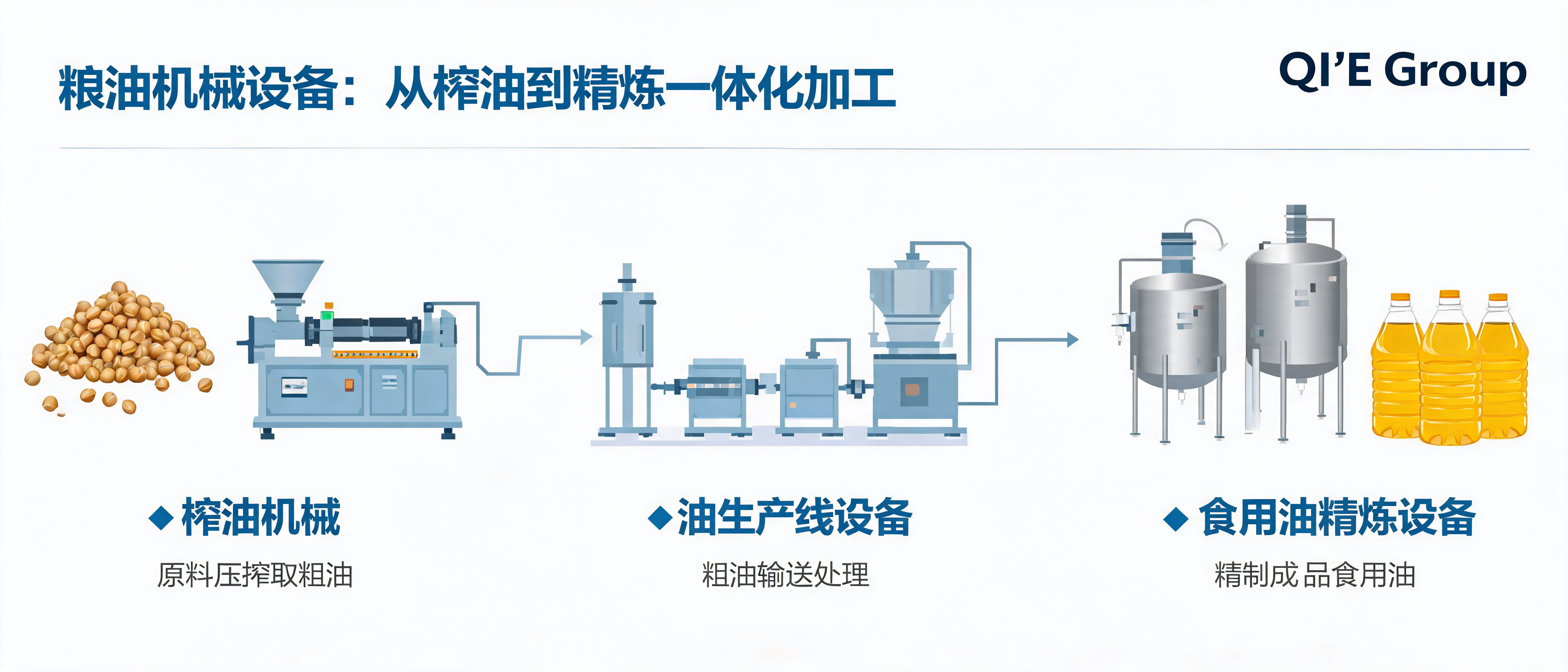
Qi'e Grain and Oil Machinery Co., Ltd. supports oil processing projects with equipment and service solutions for oil pressing, oil production, and edible oil refining. The maintenance practices below should be used together with the applicable equipment manual, site safety procedures, and the requirements of qualified technical personnel.
Oil mill equipment operates through a connected process. A condition observed at an oil press, conveying section, filtration unit, or refining stage may affect downstream operation. Daily maintenance does not replace scheduled servicing or professional repair; it provides a consistent routine for identifying visible changes before they develop into a larger operational interruption.
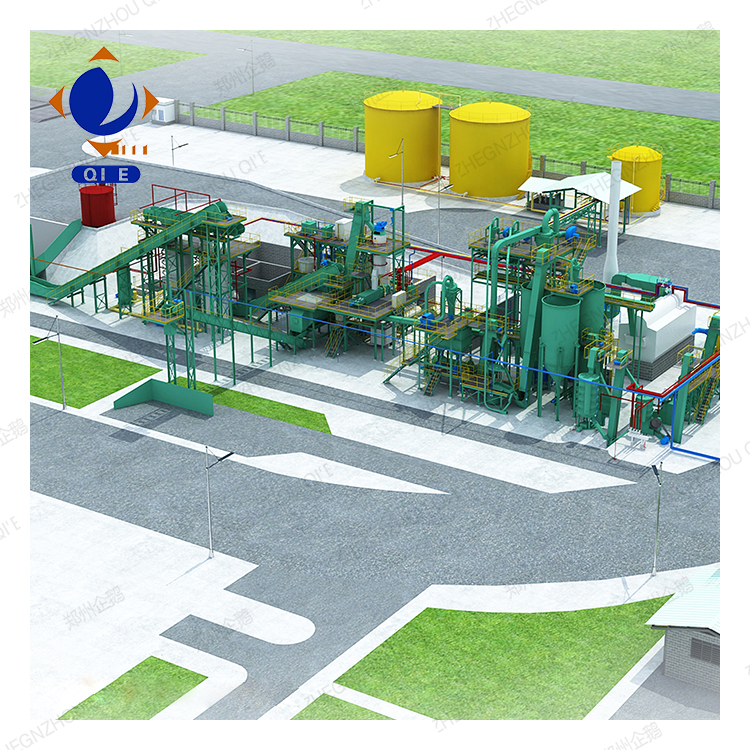
Before starting an oil press or edible oil production line, confirm that the production area and the equipment are ready for operation. The inspection scope should match the installed process configuration, including pressing, conveying, extraction, refining, filtration, and auxiliary systems where applicable.
| Inspection Area | Daily Check | Action if Attention Is Needed |
|---|---|---|
| Work area and safety | Check that access areas are clear, guards are in place, and visible safety devices are not obstructed. | Remove obstructions and report missing or damaged protective components before operation. |
| Mechanical condition | Look for loose fasteners, abnormal wear, leakage, residue buildup, or misalignment visible from the outside. | Record the observation and arrange inspection according to the equipment maintenance procedure. |
| Lubrication points | Verify lubrication status at designated points in accordance with the manufacturer’s instructions. | Use only the approved lubricant and follow the specified service interval. |
| Electrical and controls | Visually inspect panels, cables, switches, indicators, and control interfaces for apparent damage or abnormal status. | Do not bypass protective functions; refer electrical issues to authorized personnel. |
| Material flow path | Confirm that feeding, conveying, discharge, and collection points are clean and free from visible blockage. | Clean or inspect the affected section using the approved shutdown and safety process. |
During production, operators should follow the approved operating parameters for the specific equipment and raw material being processed. Attention should be given to changes from the equipment’s normal operating condition rather than relying on a single observation alone.
Note unusual noise, vibration, odor, movement, or visible leakage around the equipment. Compare observations with normal operating conditions known by the shift team.
Check that material feeding, oil discharge, cake or residue discharge, and transfer stages remain orderly for the installed process line.
Review equipment indicators and alarms according to the operating manual. Any abnormal indication should be assessed through the plant’s established response procedure.
Document relevant observations, actions taken, and unresolved conditions so that the next shift and maintenance team have a clear reference.
After shutdown and after the equipment has been made safe for cleaning, remove process residues from accessible areas in line with site procedures. Clean equipment surfaces, collection points, and surrounding floors to make the next inspection more effective and to support good production housekeeping.
Wear parts and service requirements differ by equipment model, process arrangement, operating hours, raw material characteristics, and site conditions. A practical maintenance program identifies the parts that require routine observation and maintains traceable service records for each equipment unit.
A concise record helps maintenance teams assess the situation with better context. It is useful to record factual observations rather than assumptions.
Each oil processing facility has its own equipment arrangement and operating procedures. For oil presses, edible oil production lines, and edible oil refining equipment, the most effective daily checklist is one that reflects the installed system, follows manufacturer documentation, and is consistently used by trained personnel. Qi'e Grain and Oil Machinery Co., Ltd. works with customers on oil processing equipment and related technical service needs, helping build a sound foundation for orderly operation and long-term equipment care.

 459
|
459
|
 Qi'e Grain and Oil Machinery Co., Ltd.
integrated grain and oil machinery solution
turnkey plant delivery
oil pressing equipment
oil refining equipment
Qi'e Grain and Oil Machinery Co., Ltd.
integrated grain and oil machinery solution
turnkey plant delivery
oil pressing equipment
oil refining equipment
 293
|
Qi'e Grain and Oil Machinery Co., Ltd.
complete grain and oil machinery sets
oil pressing equipment
oil production line equipment
edible oil refining equipment
293
|
Qi'e Grain and Oil Machinery Co., Ltd.
complete grain and oil machinery sets
oil pressing equipment
oil production line equipment
edible oil refining equipment
 470
|
Qi'e Grain and Oil Machinery
cold press oil machine
hot pressing process
vegetable oil solvent extraction
oil extraction equipment comparison
300
|
Qi'e Grain and Oil Machinery Co., Ltd.
edible oil refining
degumming
decolorization
deodorization
470
|
Qi'e Grain and Oil Machinery
cold press oil machine
hot pressing process
vegetable oil solvent extraction
oil extraction equipment comparison
300
|
Qi'e Grain and Oil Machinery Co., Ltd.
edible oil refining
degumming
decolorization
deodorization
 45
|
QIEJI Group
complete grain and oil machinery equipment
oil pressing equipment
oil production line equipment
B2B procurement
45
|
QIEJI Group
complete grain and oil machinery equipment
oil pressing equipment
oil production line equipment
B2B procurement