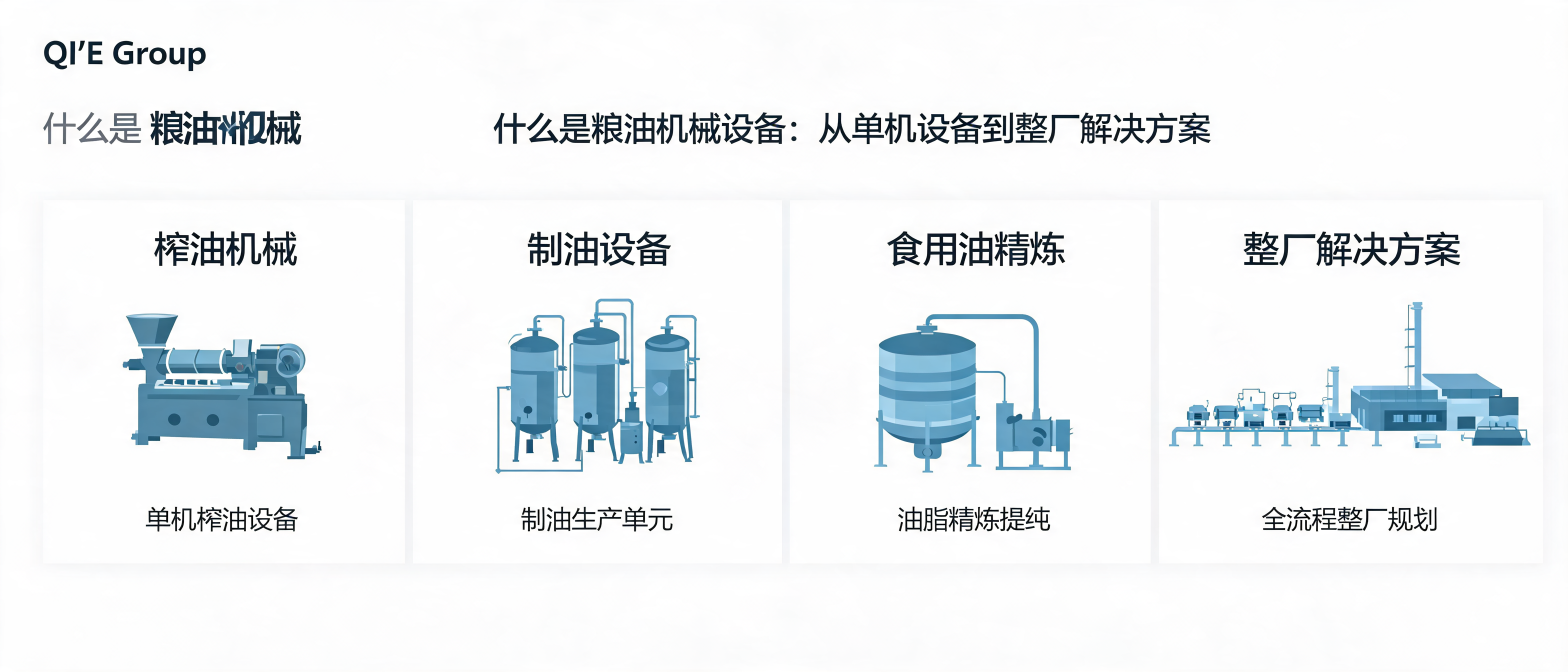
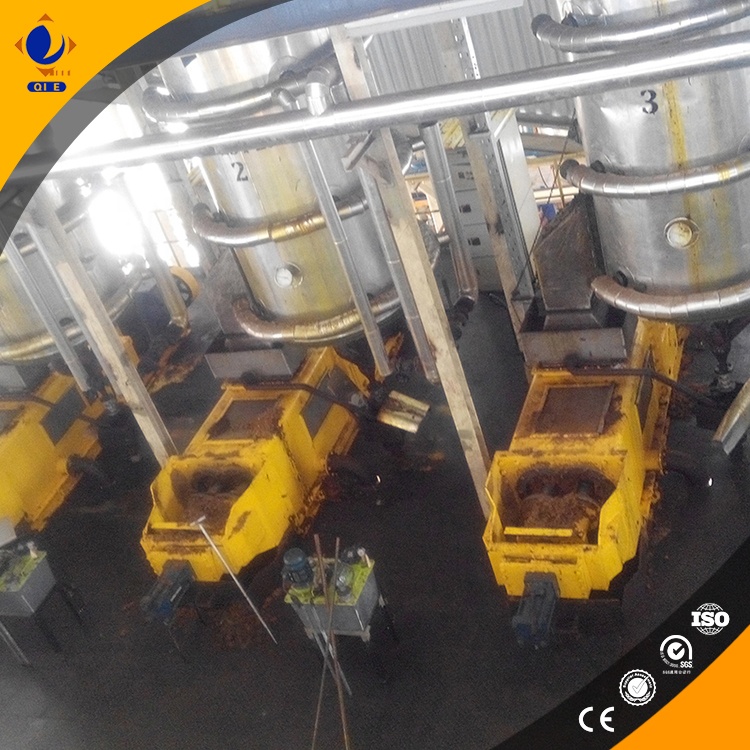
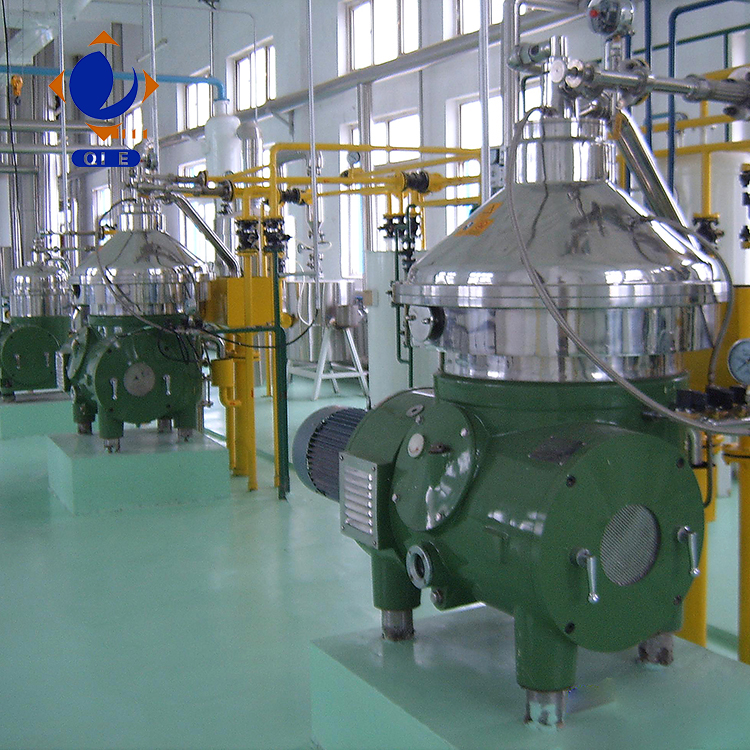
Oilseed processing projects require more than selecting a single press. A workable solution needs to connect raw-material preparation, oil extraction, filtration, storage, optional refining, and packaging in a configuration suited to the intended product and operating conditions. For mustard oil extraction, the most appropriate route depends on seed quality, required capacity, target oil characteristics, local compliance requirements, available utilities, and planned investment.
Qi'e Grain and Oil Machinery Co., Ltd. supports B2B oilseed processing projects with oil pressing equipment, edible oil refining equipment, production-line configuration, and related engineering services. The following guide outlines the main decisions involved in selecting equipment for mustard seed and similar oilseed processing applications.
Mustard oil is obtained from mustard seeds through mechanical pressing, solvent extraction, or a combination of processing stages. It is commonly used in cooking, including South Asian culinary applications. Before defining an oil production line, project teams should identify the intended processing method and the expected role of the finished oil in their market.
Define whether the project will supply pressed oil, oil requiring further refining, or a packaged retail product. This decision affects the downstream filtration, storage, refining, and filling requirements.
Daily seed-processing capacity is a primary basis for selecting the size and number of cleaning, cooking, pressing, filtering, and conveying units.
Available electricity, water, heating arrangements, plant layout, raw-material logistics, and environmental requirements should be reviewed before finalizing the line configuration.
Each extraction method has different operating characteristics. Selection should be based on the desired balance between oil yield, product properties, process complexity, and project scale rather than on one factor alone.
| Method | Typical Process Logic | Key Considerations | Suitable Project Discussion |
|---|---|---|---|
| Cold pressing | Clean mustard seeds and press under relatively low-temperature conditions. | Can help retain the natural flavor and pungency associated with the oil; extraction yield may be lower than alternative methods. | Projects focused on a less intensively processed oil profile or smaller-scale production. |
| Hot pressing | Clean seeds, condition or cook them, then mechanically press the prepared material. | Heating supports pressing efficiency and can increase oil recovery; temperature management is important because it may influence oil flavor and characteristics. | Commercial processing where higher extraction efficiency and faster processing are key considerations. |
| Solvent extraction | Prepare the seed or press cake and use a solvent-based process to recover oil, followed by solvent removal and recovery steps. | Designed for high oil recovery but requires more complex equipment, process control, safety management, and environmental compliance. | Larger or more integrated projects with suitable technical, regulatory, and utility conditions. |
An oilseed processing line is generally arranged as a sequence of connected functions. The final equipment scope should be adapted to the selected process route, capacity, automation expectation, and finished-product plan.
Refining is not automatically required for every mustard oil project. Whether to include an edible oil refining system should be determined by the intended product standard, feedstock condition, market requirements, and the buyer’s quality objectives. Refining equipment may form part of an integrated line when the project requires further treatment after extraction. The refining scope should be defined with clear process requirements rather than added as a generic equipment package.
Assess the consistency, cleanliness, moisture condition, and availability of mustard seeds. A stable supply plan is fundamental to continuous operation.
Size the line for realistic operating requirements while considering whether future capacity expansion should be accommodated in the layout.
Automation should match the operator’s production management needs, labor arrangement, maintenance capability, and budget—not simply maximize system complexity.
Confirm power supply, water availability, heating requirements, ventilation, material flow, and sufficient space for operation, cleaning, and maintenance.
Food-processing permits, operational licenses, safety practices, waste management, and environmental requirements should be reviewed according to the project location.
Installation planning, operator training, technical communication, spare-parts planning, and service access are practical considerations for long-term equipment use.
For investors and processors establishing a mustard oil extraction facility, early project definition reduces uncertainty during equipment selection and installation. A structured discussion can begin with the following information:
Qi'e Grain and Oil Machinery Co., Ltd. provides equipment for oil pressing, oil production lines, and edible oil refining applications. For mustard oil processing projects, equipment selection can be considered across the complete operating path—from seed cleaning and preparation to pressing, filtration, storage, packaging, and, where applicable, refining.
A well-matched configuration is built around the actual project conditions. By clarifying raw-material characteristics, capacity requirements, target process route, site constraints, and service needs at the outset, project owners can make more informed decisions about the oilseed processing equipment needed for their facility.
 168
|
 rice bran oil residue management small oil mill equipment maintenance rice bran oil extraction cleaning oil mill residue disposal Pengcheng Group
 274
|
Qi'e Grain and Oil Machinery Co., Ltd. grain and oil machinery complete solution oil pressing equipment oil refining equipment
234
|
Qi'e Grain and Oil Machinery Co., Ltd. complete grain and oil machinery solutions mustard oil extraction equipment edible oil production line oil refining equipment
 223
|
solvent recovery efficiency laboratory solvent utilization organic solvent recycling technology solvent recovery system optimization solvent extraction equipment parameters
463
|
Qi'e Grain and Oil Machinery edible oil processing equipment oil pressing production line oil refining equipment vegetable oil processing