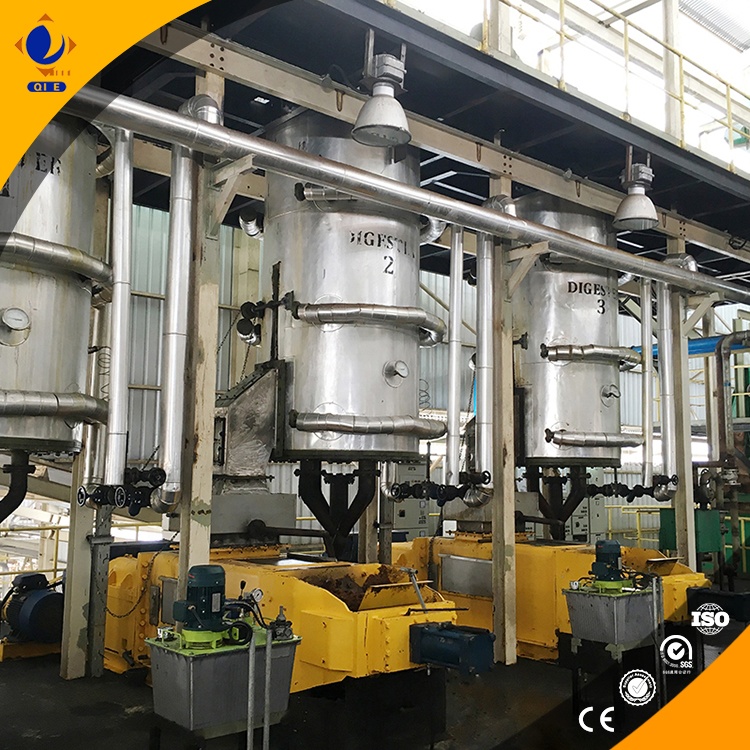
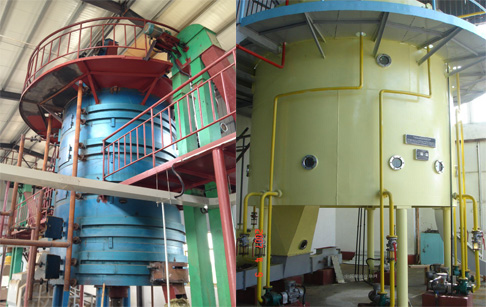
When processing palm kernels for oil extraction, the crusher plays a pivotal role in determining your overall production efficiency and operational costs. Choosing the right crusher and maintaining optimal crushing parameters directly affects the pressing performance and final oil yield. You must consider the physical characteristics of palm kernels—such as moisture content and kernel hardness—along with crusher type and particle size distribution to maximize throughput while minimizing energy consumption.
Crushing is the first mechanical step that prepares the kernels for subsequent pressing. An efficient crusher breaks down kernels into a uniform particle size, which facilitates oil release during pressing. Inconsistent particle sizes can cause blockages and increased wear on downstream equipment. Your decision to utilize a hammer crusher or roller crusher greatly influences crushing quality, equipment longevity, and energy usage.
The hammer crusher operates by high-speed rotary hammers impacting the kernels. It's ideal for kernels with lower moisture (below 6%) and moderate hardness, providing fine crushing with particle sizes typically around 2-5 mm. However, hammer crushers consume more energy (average motor power 75-90 kW) and generate more dust.
On the other hand, roller crushers employ compression by rotating rollers with adjustable gap widths, producing a more uniform particle size distribution with less energy consumption (motor power typically 30-50 kW). They are better suited for palm kernels with higher moisture content (>6%) and greater hardness, ensuring minimal kernel damage.
The moisture content and kernel hardness are key to selecting the crusher settings:
Optimizing feed speed, rotor speed (for hammer crushers), and roller gap (for roller crushers) helps you achieve a target median particle size around 3 mm, maximizing oil extraction without press clogging.
Non-uniform particle sizes directly increase pressing downtime and maintenance. Oversized particles resist compression, while excessive fine particles cause paste buildup and press clogging. Implementing regular particle size distribution tests—using sieve analysis targeting a distribution where 70-80% of particles fall between 2-4 mm—helps you maintain optimal crushing performance.
To minimize operational costs, consider these energy-saving best practices:
Using variable frequency drives (VFDs) on crushers can reduce energy usage by up to 15% under varying load conditions.
Preventive maintenance is crucial for sustained crusher efficiency:
Typical faults such as shaft misalignment and belt slippage must be diagnosed promptly to maintain crusher stability and avoid costly repairs.
Effective crushing operations hinge on a well-defined workflow encompassing kernel quality assessment, crusher parameter adjustments, scheduled maintenance, and continuous monitoring:

 68
|
68
|
 Palm Kernel Oil Extraction Machinery
Oil Extraction Machinery
High-Quality Palm Kernel Oil
Efficient Oil Extraction Process
Advanced Palm Kernel Oil Equipment
Sustainable Palm Oil Processing
Reliable Oil Extraction Technology
Cost-Effective Oil Production
Innovative Palm Kernel Oil Solutions
Palm Kernel Oil Extraction Machinery
Oil Extraction Machinery
High-Quality Palm Kernel Oil
Efficient Oil Extraction Process
Advanced Palm Kernel Oil Equipment
Sustainable Palm Oil Processing
Reliable Oil Extraction Technology
Cost-Effective Oil Production
Innovative Palm Kernel Oil Solutions
 60
|
small enterprises
market demand
oil processing
60
|
small enterprises
market demand
oil processing
 400
|
extraction technology
supercritical CO2
solvent extraction
400
|
extraction technology
supercritical CO2
solvent extraction
 118
|
solvent extraction sunflower oil
sunflower oil processing equipment
industrial oil extraction technology
energy-efficient oil press
unit energy consumption optimization
118
|
solvent extraction sunflower oil
sunflower oil processing equipment
industrial oil extraction technology
energy-efficient oil press
unit energy consumption optimization
 407
|
Sunflower oil press
Physical pressing
Vitamin E retention
Pressing process optimization
Sunflower oil production technology
407
|
Sunflower oil press
Physical pressing
Vitamin E retention
Pressing process optimization
Sunflower oil production technology





.jpg?x-oss-process=image/resize,m_fill,h_300,w_300/format,webp)