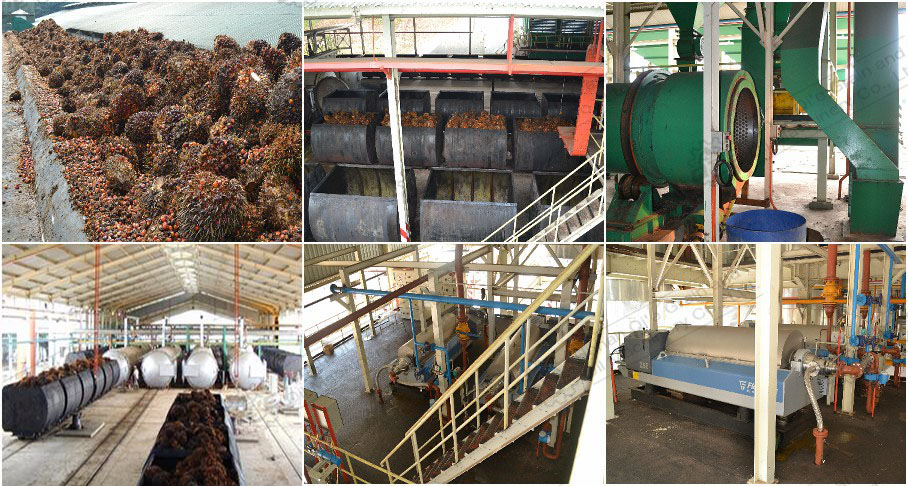
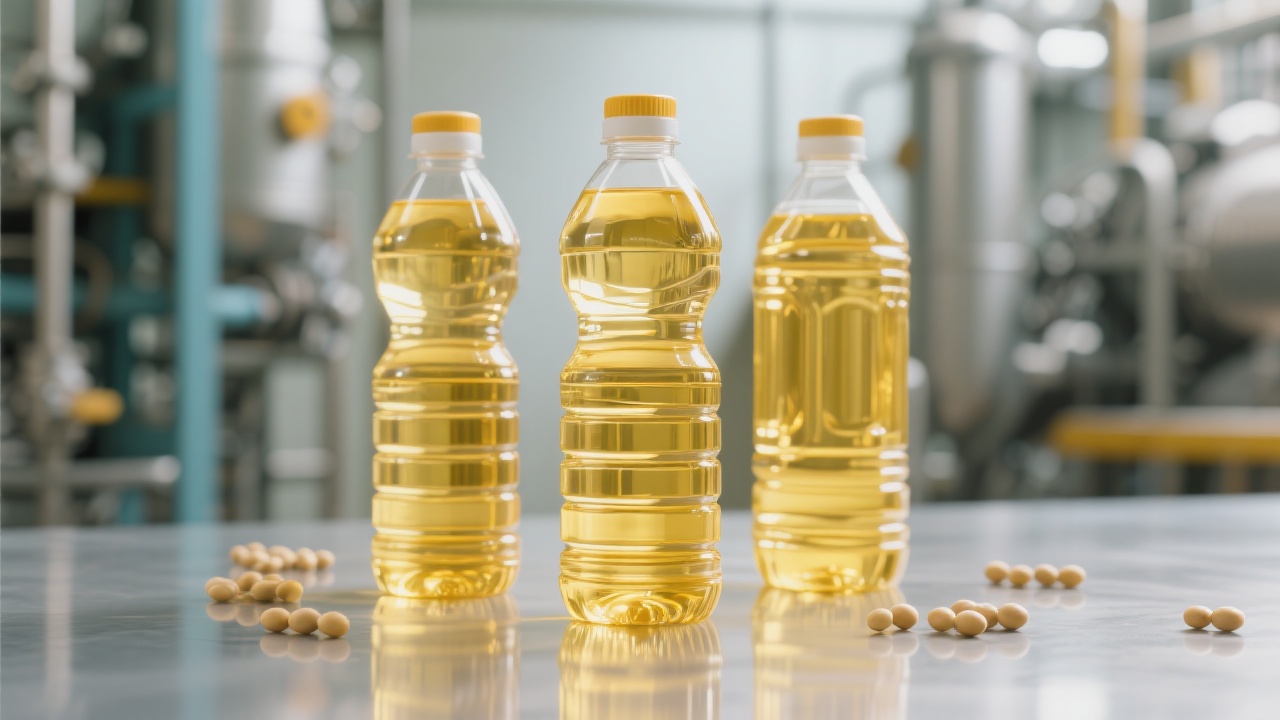
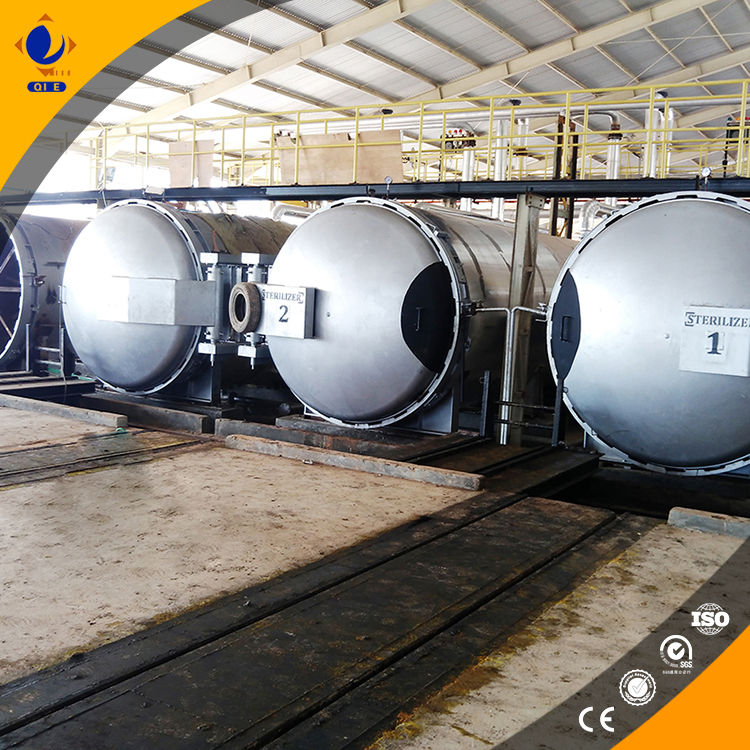
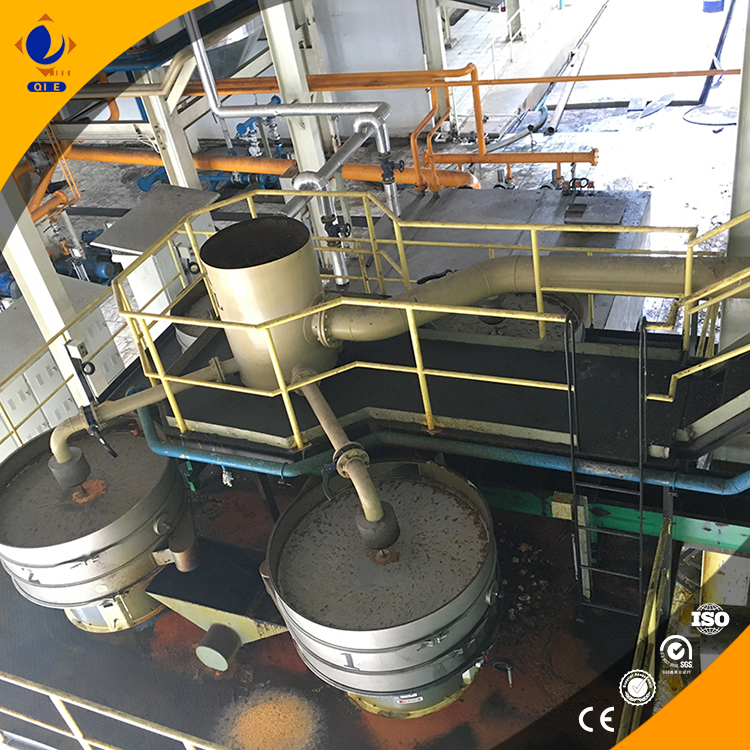
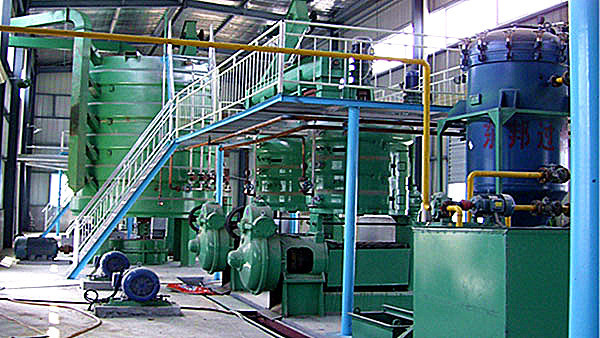
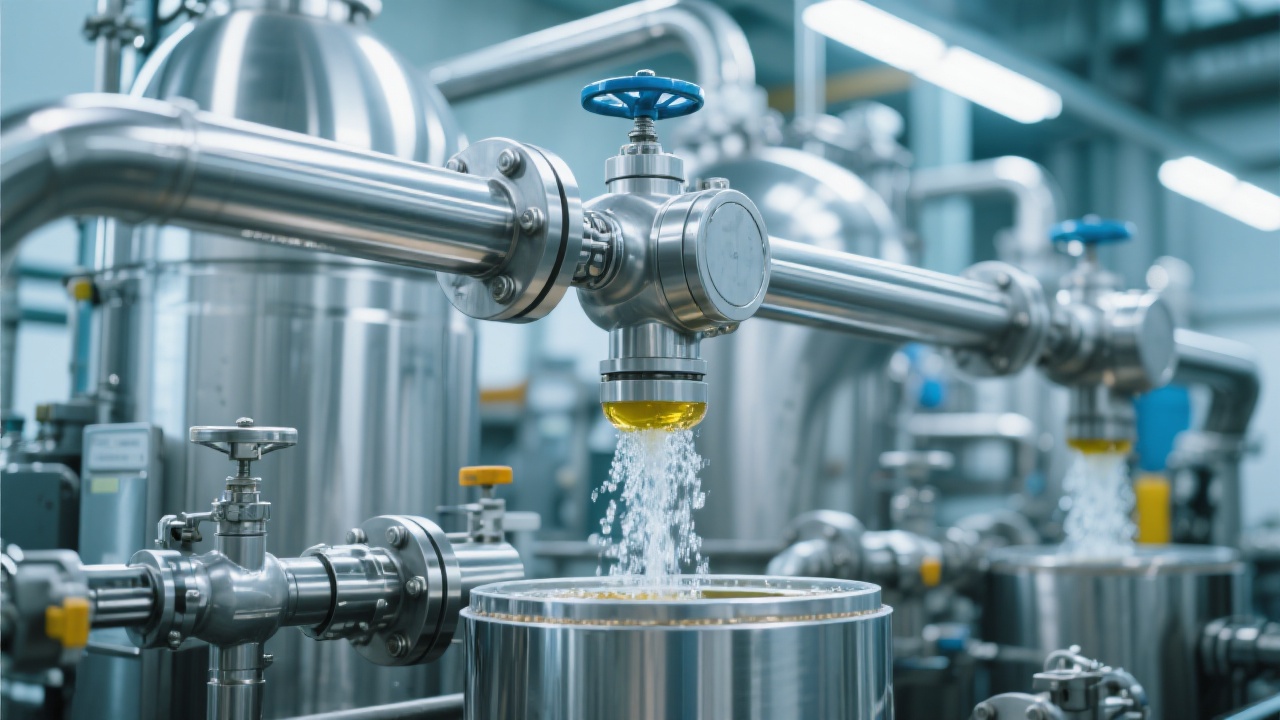
In palm kernel oil extraction, the crushing stage directly impacts downstream processing efficiency and final yield. According to industry benchmarks, a well-maintained crusher can improve oil recovery by up to 5–7%—a significant gain when operating at scale. This article dives into real-world challenges faced by refiners using hammer mills versus roller crushers, backed by field data and actionable maintenance strategies.
For palm kernels with moisture content between 8–12%, hammer mills are ideal due to their high throughput (up to 1.5 tons/hour per unit) and ability to handle irregular shapes. However, if consistency is critical—for example, in continuous screw press systems—roller presses offer more uniform particle size distribution. Field tests show that roller-processed kernels achieve a consistent 3–5 mm fragment size, reducing press clogging incidents by 40% compared to hammer-milled batches.
Key Insight: Matching equipment to raw material characteristics isn’t optional—it’s foundational. For instance, over-dry kernels (<6% moisture) tend to shatter unevenly in hammer mills, leading to fine dust that increases wear on screens and reduces air flow efficiency.
Operators commonly report three issues: motor overload (often from blockages), excessive blade wear (due to hard shell fragments), and abnormal noise (indicating bearing failure). Here's how to diagnose them quickly:
A case study from a Malaysian refinery showed a 22% drop in unplanned downtime after implementing a bi-weekly lubrication schedule and scheduled blade replacement based on usage logs—not just time. Energy consumption also fell by 9% as motors ran more efficiently without strain.
Build a simple checklist: daily visual inspection, weekly grease points, monthly alignment checks, and quarterly component replacements. Use a digital logbook—many modern machines now support IoT sensors that alert operators before failures occur.
Remember: prevention costs less than repair. One Indonesian mill saved $12,000 annually by switching from reactive to proactive maintenance—proving that small investments in discipline yield big returns.
Pro Tip: Train operators not just on "how" but "why"—understanding the link between proper crushing and press performance builds ownership and reduces errors.

 38
|
38
|
 Customizable Palm Oil Processing Line
Palm Kernel Oil Production Line Equipment
Advanced Technology Application
Diverse Production Requirements
Oil Palm Processing Enterprises
Customizable Palm Oil Processing Line
Palm Kernel Oil Production Line Equipment
Advanced Technology Application
Diverse Production Requirements
Oil Palm Processing Enterprises
 71
|
oilseed pre-treatment equipment
efficient vegetable oil production solutions
versatile oilseed processing production line
71
|
oilseed pre-treatment equipment
efficient vegetable oil production solutions
versatile oilseed processing production line
 387
|
Sesame Oil Extraction Machinery
Hydraulic Oil Press Sesame Oil
Screw Oil Press for Sesame Oil
Solvent Extraction Sesame Oil Machinery
Supercritical CO2 Sesame Oil Extraction
Water Substitution Oil Press Equipment
Refining Equipment for Sesame Oil
Small Scale Sesame Oil Production
Industrial Sesame Oil Extraction Equipment
High-Quality Sesame Oil Processing
387
|
Sesame Oil Extraction Machinery
Hydraulic Oil Press Sesame Oil
Screw Oil Press for Sesame Oil
Solvent Extraction Sesame Oil Machinery
Supercritical CO2 Sesame Oil Extraction
Water Substitution Oil Press Equipment
Refining Equipment for Sesame Oil
Small Scale Sesame Oil Production
Industrial Sesame Oil Extraction Equipment
High-Quality Sesame Oil Processing
 43
|
sunflower seed oil extraction machine
purchasing guide
online shopping
offline shopping
e-commerce platforms
physical stores
manual extraction machines
electric extraction machines
commercial extraction machines
oil press machines
43
|
sunflower seed oil extraction machine
purchasing guide
online shopping
offline shopping
e-commerce platforms
physical stores
manual extraction machines
electric extraction machines
commercial extraction machines
oil press machines
 63
|
palm oil extraction equipment
customizable production line
advanced extraction technology
63
|
palm oil extraction equipment
customizable production line
advanced extraction technology





.jpg?x-oss-process=image/resize,m_fill,h_300,w_300/format,webp)