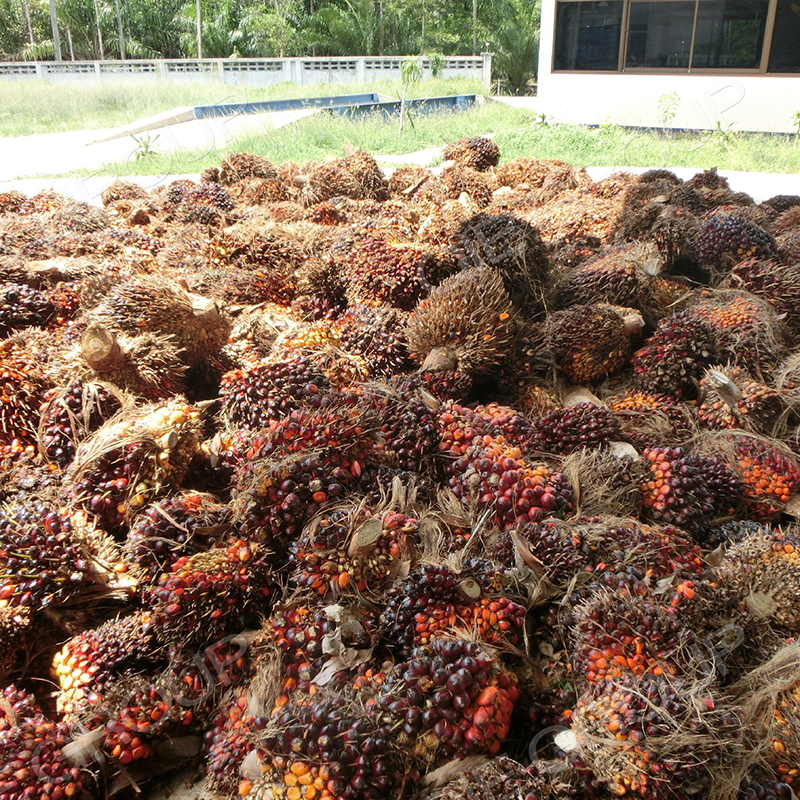
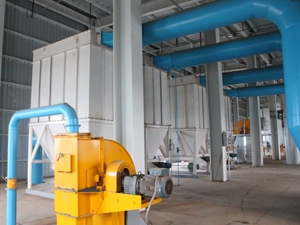
In the palm kernel oil extraction process, the selection of crushers directly impacts the subsequent pressing efficiency and oil yield. As an industry professional, making the right choices at this stage is crucial for enhancing your factory's competitiveness in the international market.
There are mainly two types of crushers used in palm kernel processing: hammer crushers and roller crushers. Each type has its own suitability depending on the physical characteristics of the palm kernels.
For palm kernels with higher moisture content, a roller crusher is often a better choice. It can handle the soft and sticky nature of the kernels more effectively, reducing the risk of clogging. On the other hand, when dealing with harder palm kernels with lower moisture content, a hammer crusher can provide more impact force for efficient crushing.
Industry data shows that using the appropriate crusher based on kernel characteristics can increase the initial crushing efficiency by up to 20%.
The crushing granularity of palm kernels has a significant impact on the operation state of the press, oil yield, and energy consumption. A finer granularity generally leads to a higher oil yield, as it exposes more oil - bearing cells for extraction.
However, overly fine granularity can also increase energy consumption and may cause problems such as clogging in the press. Through practical process parameter comparisons, it is found that a crushing granularity in the range of 2 - 5 mm can achieve a relatively balanced state between oil yield and energy consumption, with an oil yield increase of about 5 - 8% compared to coarser granularities.
Here is a graph showing the relationship between crushing granularity and oil yield:
[Insert graph here: Broken granularity vs. oil yield curve graph]
Like any other machinery, palm kernel crushers are prone to certain faults during operation. Common faults include clogging, wear, and abnormal noises.
Clogging is often caused by improper material feeding rate or inconsistent kernel moisture content. By adjusting the feeding rate and ensuring uniform moisture, this problem can be effectively solved.
Wear of key components is a natural phenomenon, but regular inspection and timely replacement of worn parts can extend the service life of the crusher. For example, replacing the worn hammer heads or rollers can maintain the crusher's performance.
Abnormal noises may indicate problems such as loose parts or misalignment. A timely diagnosis and troubleshooting can prevent further damage to the equipment.
Let's take a look at some typical customer cases. A palm kernel oil processing factory in Southeast Asia optimized its crusher selection and crushing granularity based on the above - mentioned principles. After the optimization, the production line stability increased by 30%, and the production cost decreased by 15% due to reduced energy consumption and less equipment maintenance.
In conclusion, optimizing the palm kernel crushing process is essential for the success of your palm kernel oil processing business. By making the right technical decisions, you can enhance your factory's competitiveness in the international market.
Are you ready to take your palm kernel oil processing to the next level? 立即咨询定制化破碎解决方案

 133
|
133
|
 customizable palm oil processing production line
palm kernel oil production line equipment
economic benefit enhancement
oil palm processing enterprises
production process optimization
customizable palm oil processing production line
palm kernel oil production line equipment
economic benefit enhancement
oil palm processing enterprises
production process optimization
 38
|
Cottonseed Oil Extraction Machinery
Cottonseed Oil Processing Equipment
Cottonseed Oil Press
Cottonseed Oil Refining Machinery
Cottonseed Oil Extraction Process
Cottonseed Oil Pressing Equipment
Cottonseed Oil Production Technology
Cottonseed Oil Production Machinery
Cottonseed Oil Extraction Technology
38
|
Cottonseed Oil Extraction Machinery
Cottonseed Oil Processing Equipment
Cottonseed Oil Press
Cottonseed Oil Refining Machinery
Cottonseed Oil Extraction Process
Cottonseed Oil Pressing Equipment
Cottonseed Oil Production Technology
Cottonseed Oil Production Machinery
Cottonseed Oil Extraction Technology
 244
|
multifunctional peanut oil refining equipment
food safety standards equipment
high-efficiency oil refining
244
|
multifunctional peanut oil refining equipment
food safety standards equipment
high-efficiency oil refining
 412
|
Peanut Oil Extraction Machinery
Oil Extraction Machinery
Peanut Oil Production Equipment
Peanut Oil Press Machines
High-Efficiency Peanut Oil Extraction
Cold Press Peanut Oil Machines
Hydraulic Peanut Oil Press
Scalable Peanut Oil Production
Peanut Oil Extraction Solutions
412
|
Peanut Oil Extraction Machinery
Oil Extraction Machinery
Peanut Oil Production Equipment
Peanut Oil Press Machines
High-Efficiency Peanut Oil Extraction
Cold Press Peanut Oil Machines
Hydraulic Peanut Oil Press
Scalable Peanut Oil Production
Peanut Oil Extraction Solutions
 211
|
palm kernel oil purification
centrifugal separation technology
centrifuge speed control
feed rate optimization
temperature regulation
211
|
palm kernel oil purification
centrifugal separation technology
centrifuge speed control
feed rate optimization
temperature regulation