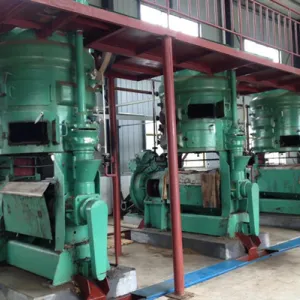
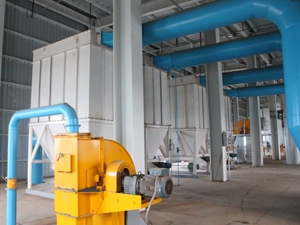
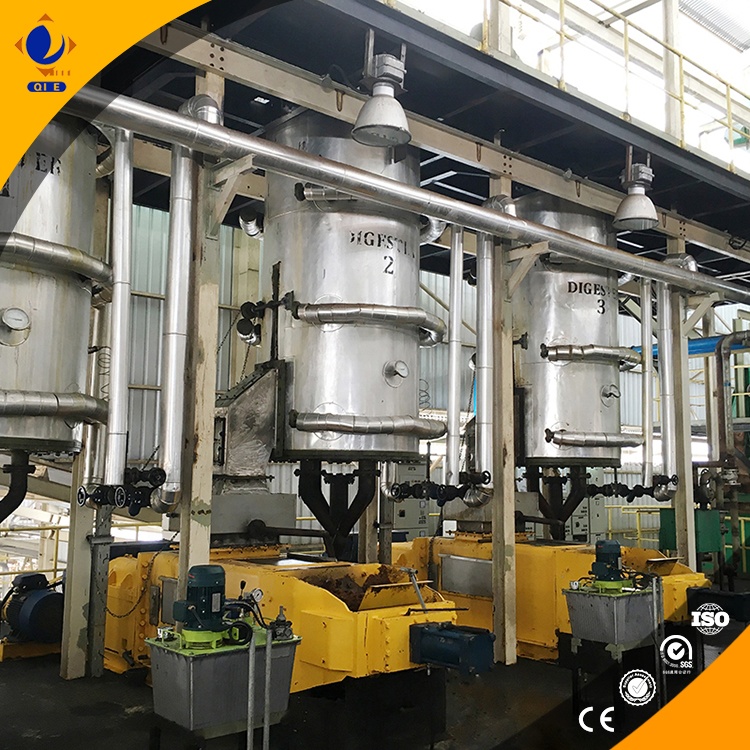
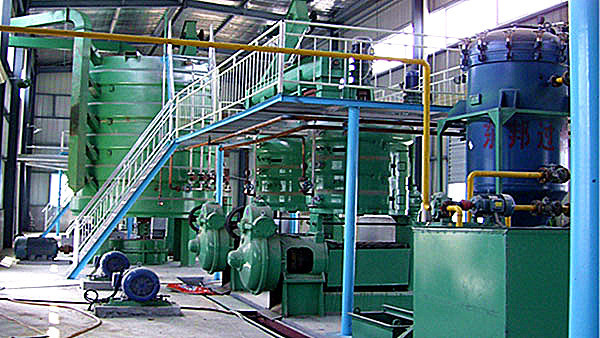
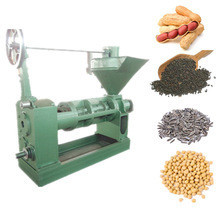
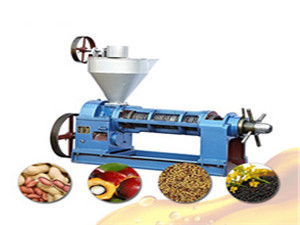
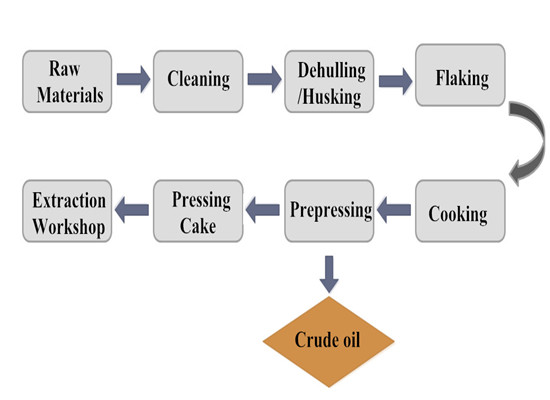
In the palm kernel oil extraction process, the crushing stage stands as the 'first threshold' that determines subsequent pressing efficiency. The size of the crushed palm kernels directly affects how well the oil can be extracted during the pressing phase. A well - controlled crushing process ensures that the palm kernels are in an optimal state for the press, allowing for a smoother and more efficient oil extraction.
Hammer crushers work by using high - speed rotating hammers to strike and break the palm kernels. The impact force shatters the kernels into smaller pieces. On the other hand, roll crushers use two counter - rotating rolls to compress and crush the palm kernels between them. The pressure exerted by the rolls breaks the kernels into the desired size.
The choice between a hammer crusher and a roll crusher depends on the physical characteristics of the palm kernels, such as moisture content and hardness. Hammer crushers are more suitable for palm kernels with lower moisture content and higher hardness. They can quickly break down the kernels into smaller pieces. Roll crushers, however, are better for palm kernels with higher moisture content as they apply a more gentle and continuous pressure, reducing the risk of over - crushing and ensuring a more uniform particle size. For example, in regions where the palm kernels have an average moisture content of 10% - 15%, a hammer crusher might be a better choice, while in areas with a moisture content of 15% - 20%, a roll crusher could be more appropriate.
Industry - measured data shows a clear quantitative relationship between crushing particle size and oil yield. When the crushing particle size is in the range of 2 - 5 mm, the oil yield can reach up to 80% - 85%. If the particle size is too large, say over 5 mm, the oil extraction efficiency drops significantly, and the oil yield may only be around 70% - 75%. Conversely, if the particle size is too small, below 2 mm, it can lead to problems such as increased energy consumption and potential blockages during the pressing process. For instance, in a large - scale palm kernel oil extraction plant, by adjusting the crushing particle size from 6 mm to 3 mm, the oil yield increased by 5%.
Common problems in the crushing process include jamming and wear. Jamming often occurs when the particle size is not properly controlled or when there are foreign objects in the palm kernels. To troubleshoot, operators should first check the feeding system to ensure a uniform flow of palm kernels. They can also inspect the crushing chamber for any blockages. Wear is another common issue, especially in the hammers of hammer crushers and the rolls of roll crushers. Regular inspection of these components can help detect early signs of wear and prevent major breakdowns.
Preventive maintenance is crucial for the long - term operation of crushers. This includes regular lubrication of moving parts, checking and tightening bolts, and replacing worn - out components in a timely manner. By following a preventive maintenance schedule, the lifespan of the crusher can be extended by up to 2 - 3 years, reducing the overall cost of production.
Case 1: A medium - sized palm kernel oil extraction factory switched from using a hammer crusher with improper settings to a roll crusher after analyzing the moisture content of their palm kernels. By adjusting the crushing particle size to the optimal range, they increased their oil yield from 78% to 83% and reduced energy consumption by 10%. Case 2: Another factory implemented a strict preventive maintenance program for their crushers. As a result, they reduced the frequency of breakdowns by 30% and extended the equipment lifespan, leading to significant cost savings.
Your equipment may also face similar challenges. Are you looking for ways to improve your palm kernel oil extraction efficiency? Your equipment may also have similar problems.
Get a free crushing solution evaluation and boost your oil yield by 3% - 8%!
 58
|
58
|
 cold pressed sunflower oil production
low temperature oil extraction
premium edible oil manufacturing
cold pressed oil nutrition
food label compliance
cold pressed sunflower oil production
low temperature oil extraction
premium edible oil manufacturing
cold pressed oil nutrition
food label compliance
 74
|
Peanut oil extraction machinery
Southeast Asian Market
Edible Oil Processing
74
|
Peanut oil extraction machinery
Southeast Asian Market
Edible Oil Processing
 208
|
solvent extraction technology
vegetable oil production line
oil processing solutions
208
|
solvent extraction technology
vegetable oil production line
oil processing solutions
 457
|
Sesame Oil Extraction Machinery
Hydraulic Oil Press for Sesame
Screw Oil Press for Sesame Oil
Solvent Extraction Equipment for Sesame Oil
Supercritical CO2 Extraction Equipment
Water Substitution Equipment for Sesame
Leaching and Refining Equipment for Sesame Oil
Quality Sesame Oil Production Machinery
Edible Oil Extraction Technology
457
|
Sesame Oil Extraction Machinery
Hydraulic Oil Press for Sesame
Screw Oil Press for Sesame Oil
Solvent Extraction Equipment for Sesame Oil
Supercritical CO2 Extraction Equipment
Water Substitution Equipment for Sesame
Leaching and Refining Equipment for Sesame Oil
Quality Sesame Oil Production Machinery
Edible Oil Extraction Technology
 45
|
Rice bran oil pretreatment equipment
Bran sorter selection
Expander technical parameters
Rice bran oil extraction process
Counter-current dryer application
45
|
Rice bran oil pretreatment equipment
Bran sorter selection
Expander technical parameters
Rice bran oil extraction process
Counter-current dryer application





.jpg?x-oss-process=image/resize,m_fill,h_300,w_300/format,webp)