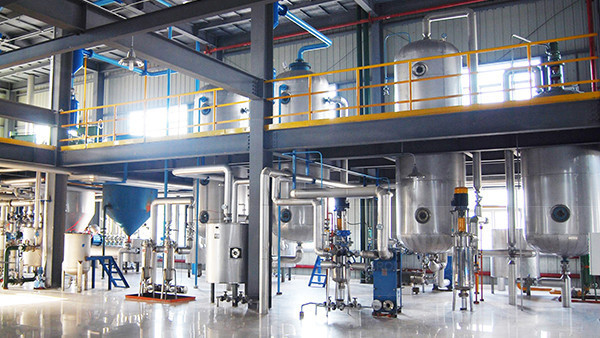
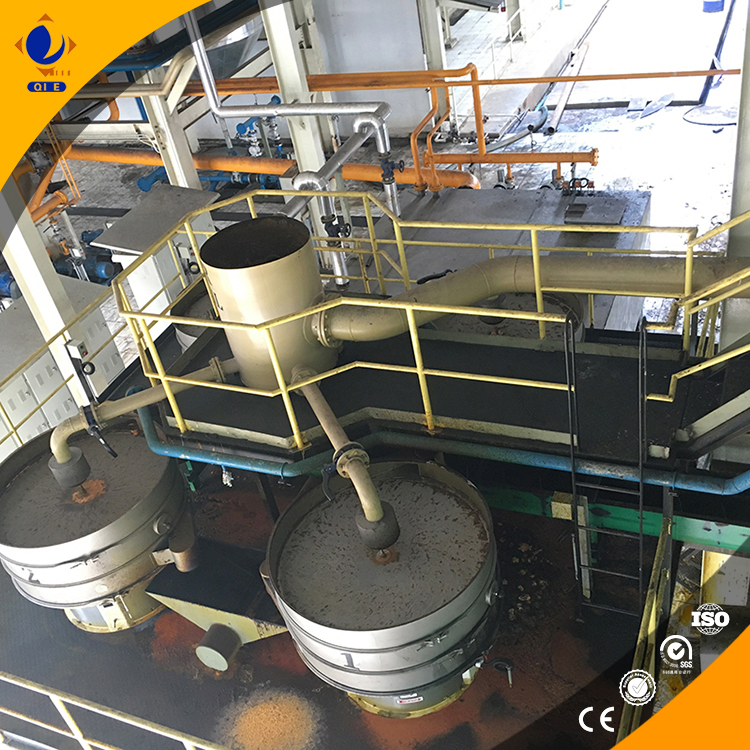
You're not alone if your palm kernel oil has a dull color or an off-putting odor after distillation. This isn’t just about aesthetics—it’s a clear sign that your process parameters may be out of balance. In fact, studies show that improper temperature gradients in vacuum distillation can increase free fatty acid (FFA) levels by up to 30%, directly impacting shelf life and market value.
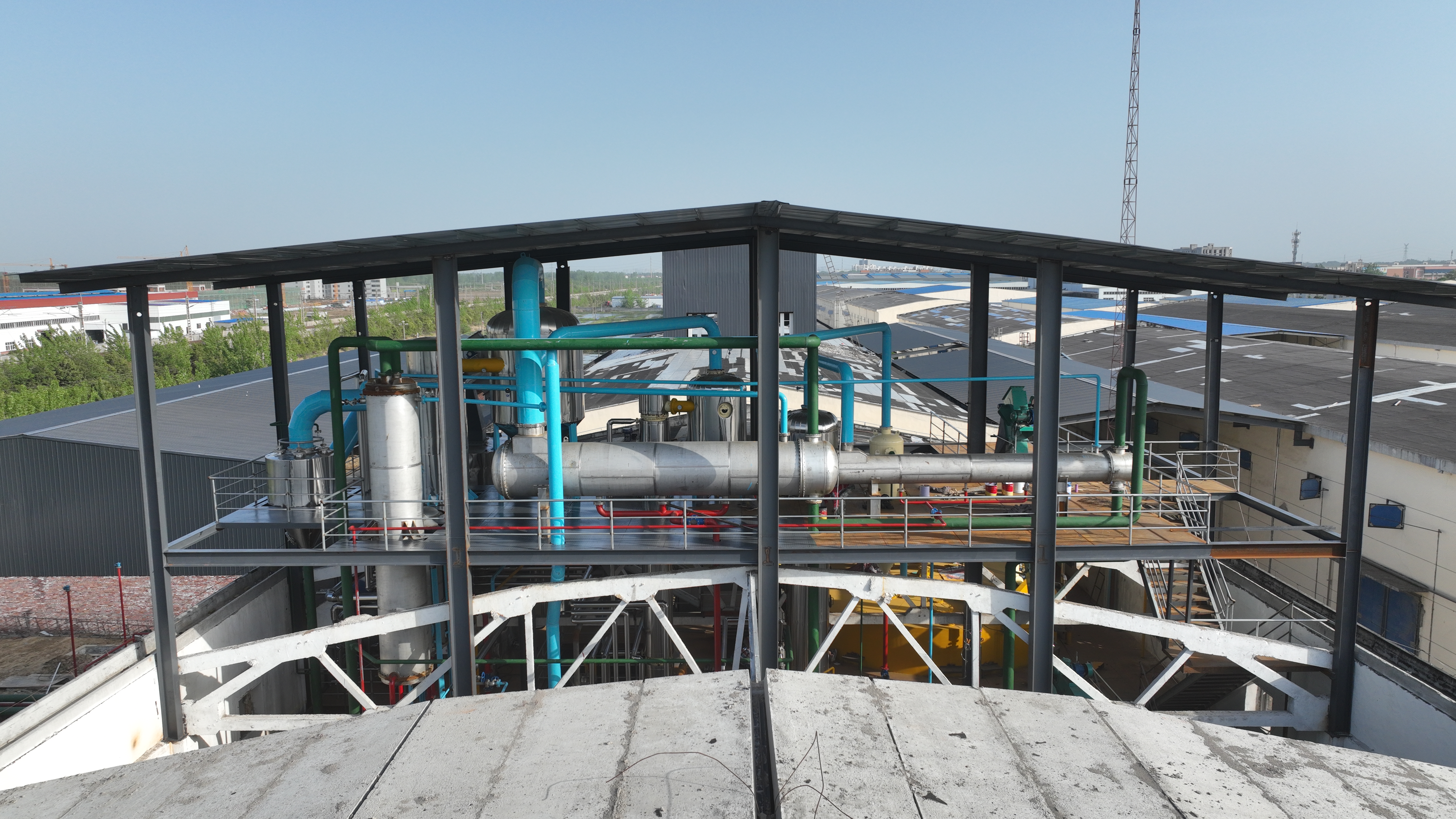
For palm kernel oil refining, two primary methods dominate: vacuum distillation and molecular distillation. While both remove volatile compounds like free fatty acids and odors, they differ significantly in how they handle heat-sensitive components.
According to AOCS Cd 20-91, proper control of residence time and vapor velocity is critical in avoiding recondensation of undesirable volatiles—a common issue in poorly tuned vacuum systems.
Temperature gradient, vacuum level, and retention time are the three pillars of successful distillation. Here’s what you need to watch:
| Parameter | Optimal Range | Impact of Deviation |
|---|---|---|
| Vacuum Level (mbar) | 0.1–0.5 | Too high = incomplete removal of volatiles; too low = energy waste |
| Residence Time (min) | 3–7 | Too short = poor separation; too long = oxidation risk |
| Temperature Gradient (°C/min) | 2–4 | Rapid heating = scorching surface layer; slow ramp = inefficient throughput |
Many operators assume higher vacuum always equals better quality—but this isn't true. A frequent error is setting the inlet temperature too high (>190°C), which leads to polymerization and darkening. Another is neglecting real-time monitoring of vapor flow rate, often resulting in carryover of non-volatile residues.
Corrective action? Use automated PID controllers for precise temperature regulation, and install inline FTIR analyzers to monitor FFA content continuously. These tools reduce trial-and-error and boost consistency across batches.
Want a ready-to-use reference guide? Download our “Palm Kernel Oil Distillation Process Parameter Checklist”—a practical PDF tailored for engineers and plant managers who want to avoid costly mistakes and improve product uniformity.

 107
|
107
|
 5tph Palm Oil Processing Machine
10tph Palm Oil Processing Equipment
30tph Palm Oil Processing System
5tph Palm Oil Processing Machine
10tph Palm Oil Processing Equipment
30tph Palm Oil Processing System
 374
|
Cold-pressed sunflower oil production process
Low-temperature pressing technology
High-end edible oil process
Sunflower oil nutrition retention
Cold-pressed equipment selection
374
|
Cold-pressed sunflower oil production process
Low-temperature pressing technology
High-end edible oil process
Sunflower oil nutrition retention
Cold-pressed equipment selection
 458
|
Peanut Oil Extraction Machinery
Advantages of Peanut Oil Extraction Machinery
Peanut Oil Production Machinery
Efficient Peanut Oil Machinery
Peanut Oil Processing Equipment
Quality Peanut Oil Extraction
Peanut Oil Cold Press Machines
Hydraulic Peanut Oil Press Machinery
Scalable Peanut Oil Extraction Solutions
458
|
Peanut Oil Extraction Machinery
Advantages of Peanut Oil Extraction Machinery
Peanut Oil Production Machinery
Efficient Peanut Oil Machinery
Peanut Oil Processing Equipment
Quality Peanut Oil Extraction
Peanut Oil Cold Press Machines
Hydraulic Peanut Oil Press Machinery
Scalable Peanut Oil Extraction Solutions
 97
|
sunflower seed oil extraction machine
extraction machine types
extraction machine working principles
97
|
sunflower seed oil extraction machine
extraction machine types
extraction machine working principles
 39
|
Cottonseed Oil Extraction Machinery
High Yield Cottonseed Oil Extraction
Automated Cottonseed Oil Processing Equipment
Cottonseed Oil Refining Technology
Energy Efficient Cottonseed Oil Extraction
Quality Improvement in Cottonseed Oil
Versatile Oil Extraction Machinery
39
|
Cottonseed Oil Extraction Machinery
High Yield Cottonseed Oil Extraction
Automated Cottonseed Oil Processing Equipment
Cottonseed Oil Refining Technology
Energy Efficient Cottonseed Oil Extraction
Quality Improvement in Cottonseed Oil
Versatile Oil Extraction Machinery