You're not alone if you've seen inconsistent oil clarity or off-flavors in your palm kernel oil batches—many processors face this challenge during distillation. The truth is, the right distillation parameters can make or break your final product quality.
If you’re working with crude palm kernel oil (PKO), understanding the difference between vacuum and molecular distillation is critical. Vacuum distillation typically operates at 1–5 mbar and is ideal for removing free fatty acids (FFA) up to 1–2%, while molecular distillation works under ultra-high vacuum (0.001–0.1 mbar) and excels at purifying oils with FFA below 0.5%. According to AOCS method Cd 2-87, proper temperature control during vacuum distillation should stay between 160°C–180°C to avoid thermal degradation.
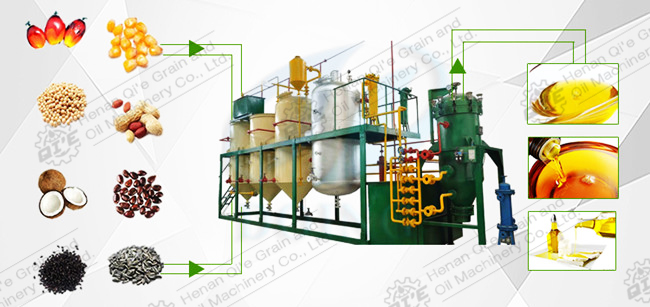
Temperature: Too high (>190°C) causes caramelization and darkening. Optimal range: 160–180°C for vacuum, 120–140°C for molecular.
Vacuum Level: Contrary to popular belief, higher isn’t always better. At pressures below 0.1 mbar, energy costs spike without significant gains in purity. Stick to 1–3 mbar for most PKO applications.
Residence Time: Keep it under 30 minutes in the evaporator zone. Longer times increase oxidation risk—even a 10-minute delay can raise peroxide value by 0.5 meq/kg.
“In our lab tests, operators who blindly chased ‘maximum vacuum’ saw 12% more waste due to over-processing. Precision beats extremes.” — AOCS Technical Bulletin, 2023
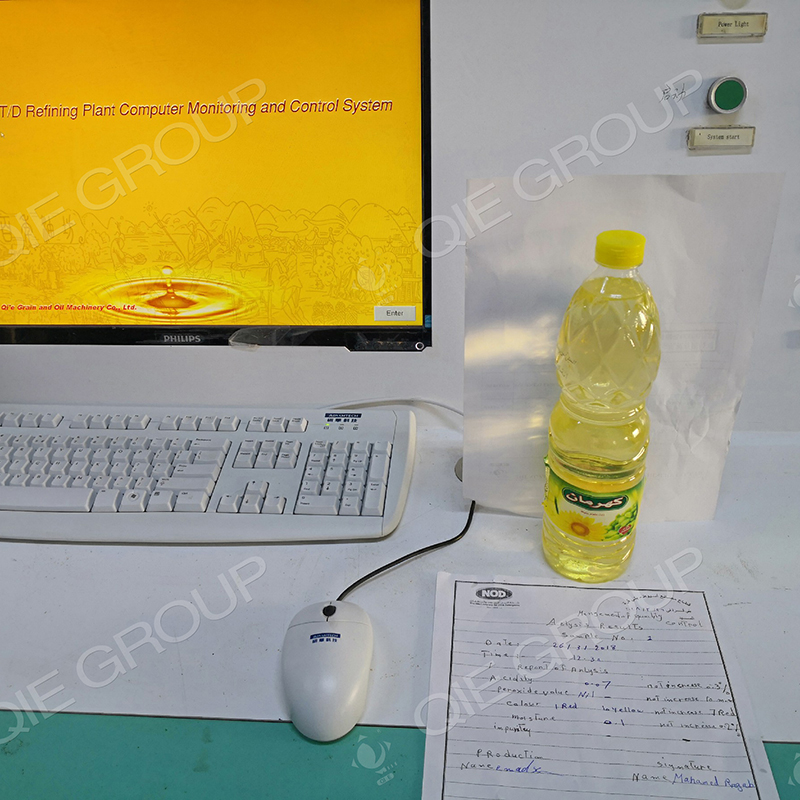
Whether you're an engineer troubleshooting yield drops or a plant manager aiming for consistent export-grade oil, these insights are actionable today—not just theory.
Got questions about optimizing your distillation setup? Leave a comment below—we’ll reply within 24 hours.

 95
|
95
|
 sesame oil extraction equipment
solvent leaching process
hexane oil extraction
oilseed particle size distribution
industrial oil refining efficiency
sesame oil extraction equipment
solvent leaching process
hexane oil extraction
oilseed particle size distribution
industrial oil refining efficiency
 423
|
rice bran oil production equipment
rice bran oil extraction machinery
equipment maintenance plan
rice bran oil extraction process
rice bran oil refining equipment
423
|
rice bran oil production equipment
rice bran oil extraction machinery
equipment maintenance plan
rice bran oil extraction process
rice bran oil refining equipment
 317
|
Sunflower oil pressing process
Physical pressing technology
Oil purity improvement
Sunflower oil extraction machinery
Press operation tutorial
317
|
Sunflower oil pressing process
Physical pressing technology
Oil purity improvement
Sunflower oil extraction machinery
Press operation tutorial
 184
|
Peanut oil extraction machinery
Oil Pressing Machinery
South American Market
184
|
Peanut oil extraction machinery
Oil Pressing Machinery
South American Market
 451
|
multifunctional peanut oil refining equipment
environmentally friendly peanut oil refining solutions
sales enhancement for large enterprises using refining equipment
451
|
multifunctional peanut oil refining equipment
environmentally friendly peanut oil refining solutions
sales enhancement for large enterprises using refining equipment