In the competitive landscape of high-end edible oils, small and medium-sized enterprises (SMEs) face unique challenges in producing cold-pressed sunflower oil that truly differentiates their brand. With consumer demand shifting towards natural, nutrient-rich oils, mastering the full cold-press production process — from raw material selection to low-temperature refining — becomes essential.
At the heart of premium cold-pressed sunflower oil quality lies a meticulous production workflow, consisting of:
Each phase demands careful temperature control and equipment tailored for low-heat processing to prevent degradation of flavor and nutritional value.
Scientific studies consistently show that processing above 60°C activates enzyme activity leading to oxidative rancidity and nutrient loss, particularly polyphenols and vitamin E – key antioxidants in sunflower oil. Maintaining sub-60°C temperatures ensures:
These factors directly influence the oil’s sensory appeal and health benefits, decisive for premium market positioning.
Cold-pressed oils differ markedly from hot-pressed counterparts in both nutrient profile and sensory qualities:
| Parameter | Cold-Pressed Oil | Hot-Pressed Oil |
|---|---|---|
| Vitamin E (mg/100g) | 28 - 32 | 15 - 20 |
| Polyphenol Content (mg/kg) | 120 - 180 | 50 - 80 |
| Aroma & Flavor | Rich, nutty, fresh | Muted, slightly burnt |
| Oxidation Stability (Rancimat Hours) | >15 | <10 |
This data underscores the superior antioxidative and flavor-preserving attributes of cold-pressed sunflower oil, preferred by discerning customers seeking natural and healthy edible oils.
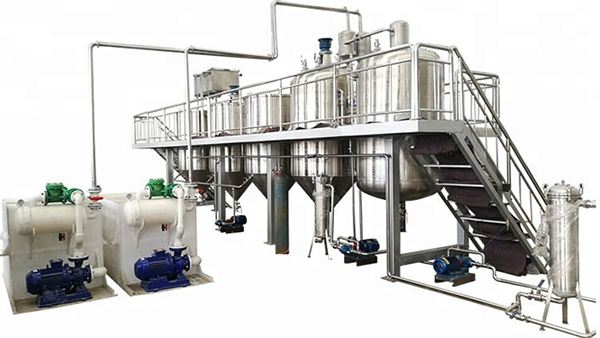
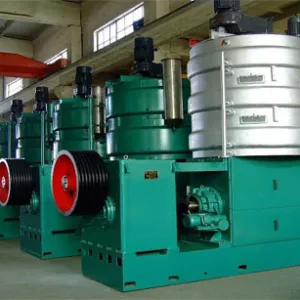
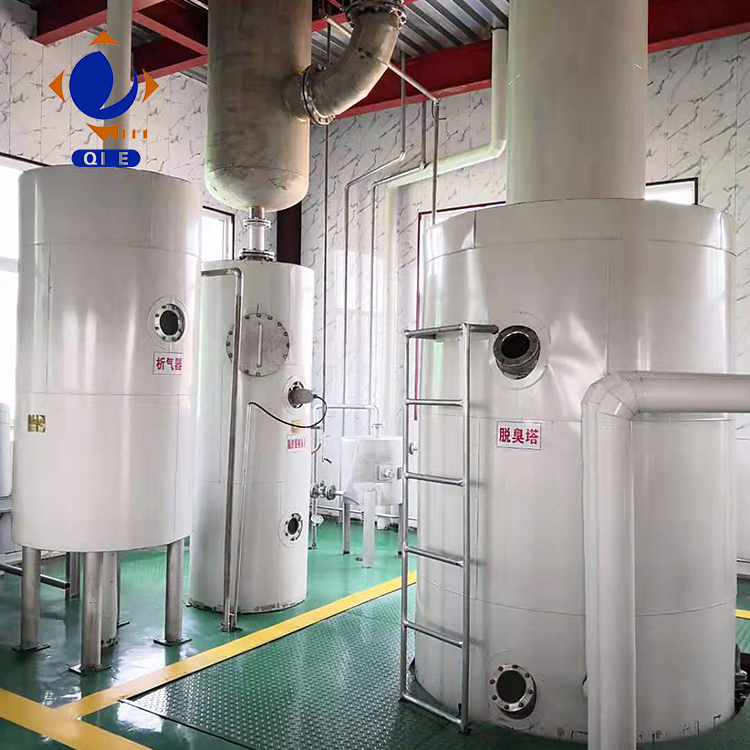
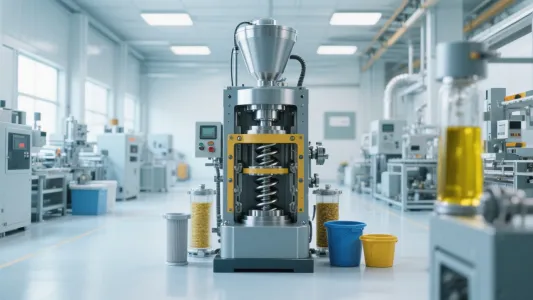
For SMEs aiming to enter or upscale in the cold-pressed oil segment, selecting suitable equipment is critical for maintaining temperature control and productivity. Consider the following:
Estimated investment for mid-scale cold-press lines ranges from $30,000 to $120,000 depending on capacity and automation level, balancing cost-efficiency and quality control.
Beyond equipment, rigorous quality assurance safeguards brand reputation and regulatory compliance. SMEs should implement:
Engaging third-party labs for periodic oil profiling and leveraging ISO or HACCP standards can reinforce credibility.


 147
|
147
|
 Palm Fruit Oil Extraction Machinery
Oil Extraction Machinery
Palm Oil Processing Equipment
Palm Fruit Oil Extraction Machinery
Oil Extraction Machinery
Palm Oil Processing Equipment
 289
|
seed preprocessing technology for vegetable oil
efficient oilseed processing solutions
innovative vegetable oil extraction systems
289
|
seed preprocessing technology for vegetable oil
efficient oilseed processing solutions
innovative vegetable oil extraction systems
 244
|
multifunctional peanut oil refining equipment
food safety standards equipment
high-efficiency oil refining
244
|
multifunctional peanut oil refining equipment
food safety standards equipment
high-efficiency oil refining
 101
|
Peanut oil extraction machinery
Oil Press
Edible oil processing equipment
101
|
Peanut oil extraction machinery
Oil Press
Edible oil processing equipment
 185
|
Rice bran oil extrusion equipment
Rice bran oil extraction
Working principle of extruder
Improving oil yield
Optimization of extrusion equipment
185
|
Rice bran oil extrusion equipment
Rice bran oil extraction
Working principle of extruder
Improving oil yield
Optimization of extrusion equipment